
Trumps $1.5 Trillion Defense Budget Proposal
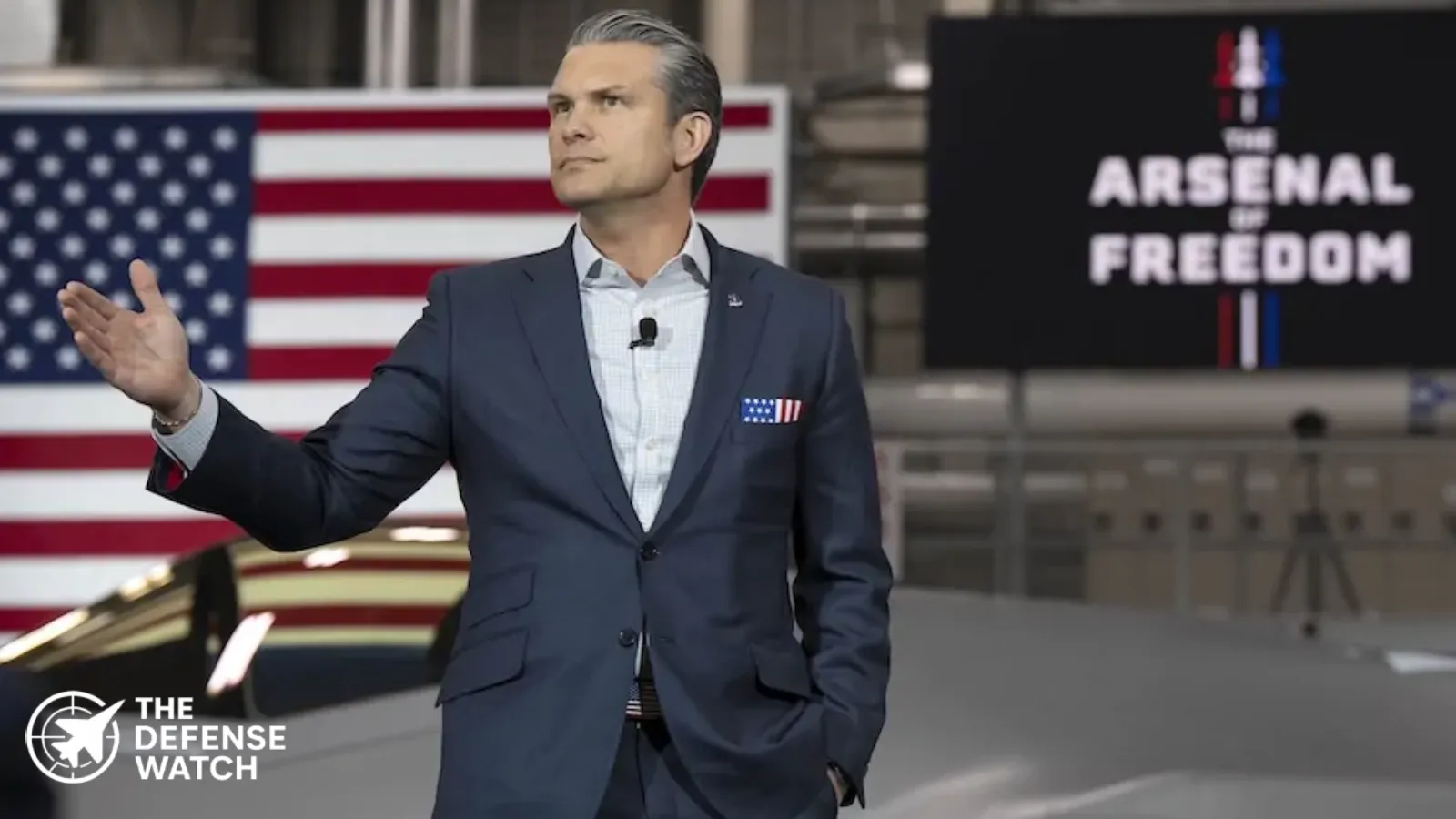
Trumps $1.5 trillion defense budget proposal reflects plans to rebuild US forces and reverse years of strain on military readiness, according to Defense Secretary Pete Hegseth. Speaking this week, Hegseth said the proposed spending level aligns with long term goals to restore capacity, expand modernization programs, and strengthen deterrence across multiple theaters.
The remarks come as debates intensify in Washington over defense budgets, force structure, and the pace of military modernization. The proposal, outlined by the Trump administration, would represent one of the largest defense funding packages in US history.
Focus on Readiness and Modernization
Hegseth emphasized that the defense budget proposal is not a short term increase but part of a broader effort to rebuild the US armed forces. He pointed to readiness shortfalls, aging platforms, and sustained operational demands as key drivers behind the funding level.
According to the Pentagon, priorities include recapitalizing air and naval forces, accelerating missile defense programs, expanding munitions stockpiles, and improving training and maintenance. Senior defense officials have repeatedly warned that deferred investment has reduced readiness across multiple services.
Strategic Competition and Global Commitments
The proposed spending also reflects continued concern over strategic competition with near peer rivals, particularly China and Russia. US defense planners argue that maintaining credible deterrence requires sustained investment in advanced technologies such as hypersonic weapons, space systems, cyber capabilities, and next generation aircraft.
Hegseth noted that global commitments, from Europe to the Indo Pacific, place constant pressure on US forces. The budget proposal aims to ensure that deployed units are fully equipped while also preparing the force for future conflicts.
Congressional Outlook
Despite Pentagon support, the $1.5 trillion defense budget proposal faces scrutiny on Capitol Hill. Lawmakers from both parties are expected to question cost, oversight, and long term sustainability. Budget analysts have also raised concerns about federal deficits and competing domestic priorities.
The administration argues that rebuilding US forces now is essential to avoid higher costs and greater risks later.
Get real time update about this post category directly on your device, subscribe now.
