F-35 Readiness Audit Raises Contract Oversight Concerns
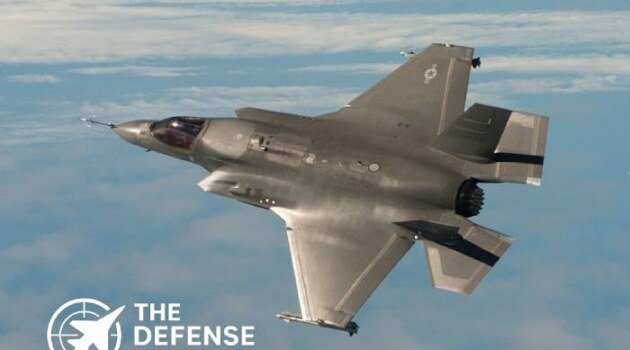
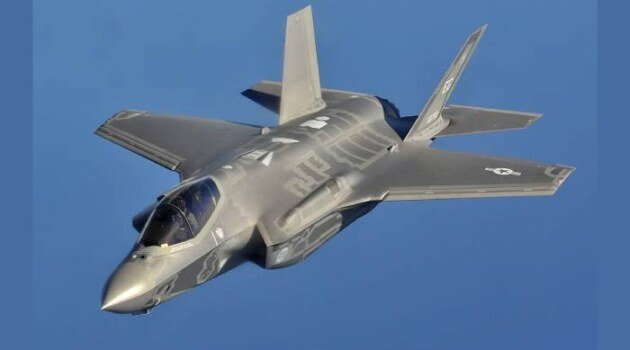
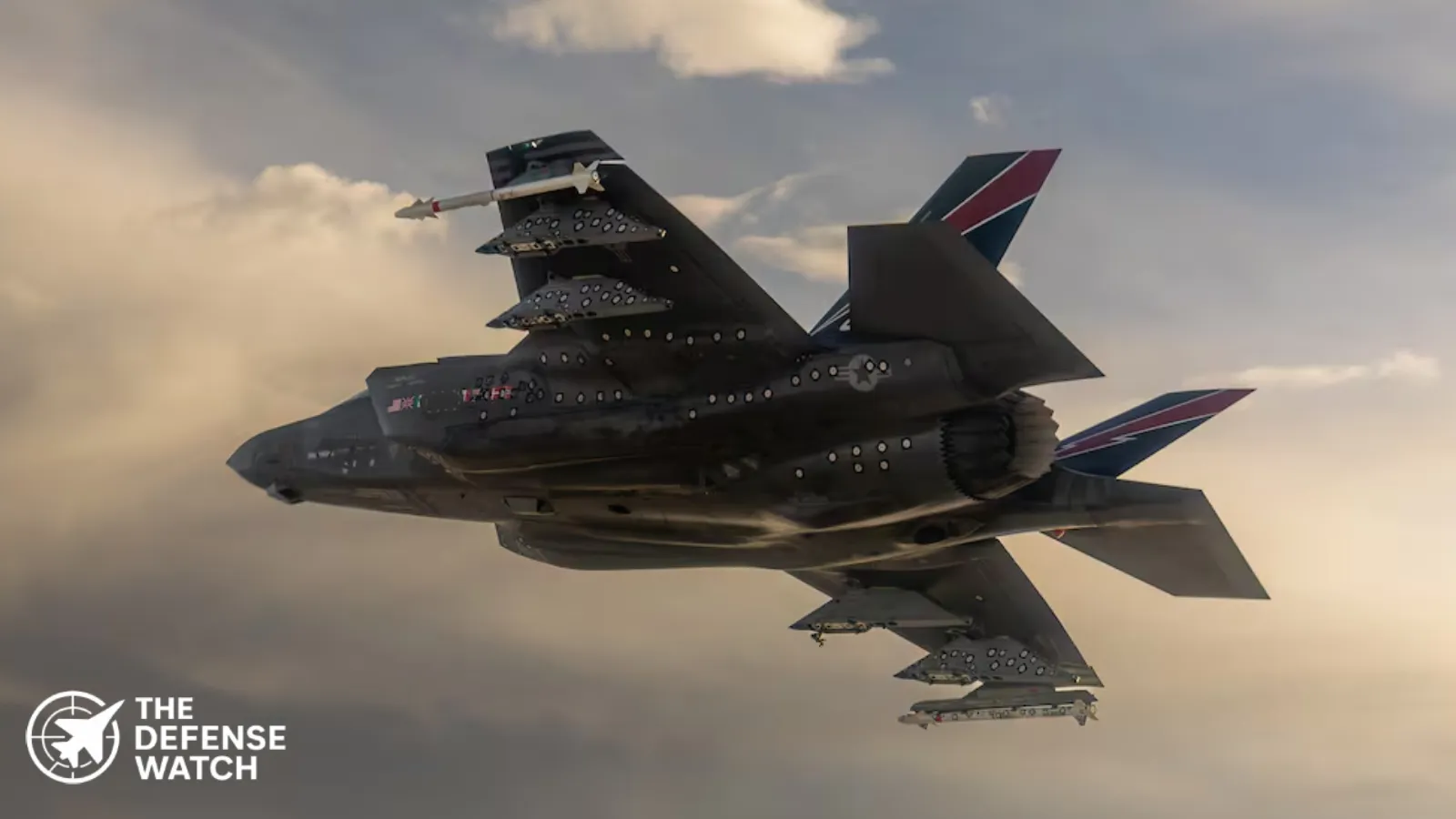
The F-35 readiness audit released in December found the US Department of Defense paid Lockheed Martin $1.7 billion under a 2024 sustainment contract, despite the fighter jet fleet failing to meet basic readiness standards.
According to the Department of Defense Office of Inspector General, the F-35 Joint Program Office did not consistently hold Lockheed Martin accountable for weak sustainment performance. Payments continued through July 1, 2025, with no economic adjustments, even as fleet wide aircraft availability averaged about 50 percent.
The audit reviewed the June 2024 air vehicle sustainment contract, which covers maintenance and support for the global F-35 fleet operated by the US military and partner nations.
Readiness Rates Fell Below Service Requirements
The inspector general reported
that Full Mission Capable, Mission Capable, and Air Vehicle Availability rates did not meet minimum thresholds set by the US military services.
Average air vehicle availability during fiscal year 2024 stood at roughly 50 percent. This meant that F-35 aircraft were unavailable to fly about half the time.
Despite these results, the Pentagon paid more than $1 billion during the period reviewed. The audit found that readiness metrics were not clearly written into the contract and were not used to adjust payments.
Contract Lacked Enforceable Performance Measures
Investigators concluded that the F-35 Joint Program Office monitored contractor performance but failed to link payments to measurable outcomes.
The audit found gaps in several areas, including the absence of aircraft readiness requirements, weak enforcement of material inspection rules, and incomplete government property reporting.
The office also found that contracting officer representatives were not used effectively to oversee performance at F-35 operating bases.
Oversight Reforms Recommended
The inspector general issued seven recommendations to the Under Secretary of Defense for Acquisition and Sustainment and the F-35 program executive officer.
These included adding incentive based readiness metrics to sustainment contracts, improving oversight roles at F-35 sites, and reviewing staffing levels for contract monitoring.
Defense officials generally agreed with the recommendations. Six were marked as resolved but remain open pending proof of action. One recommendation remains unresolved, with formal comments requested within 40 days.
Cost and Scale of the F-35 Program
The F-35 Joint Strike Fighter is the Pentagon’s largest acquisition program, with projected lifetime costs exceeding $2 trillion for procurement, operations, and sustainment.
The aircraft is designed for an 8,000 hour service life. Recent testing of the F-35A variant suggests it could reach up to 24,000 flight hours under certain conditions.
Get real time update about this post category directly on your device, subscribe now.