
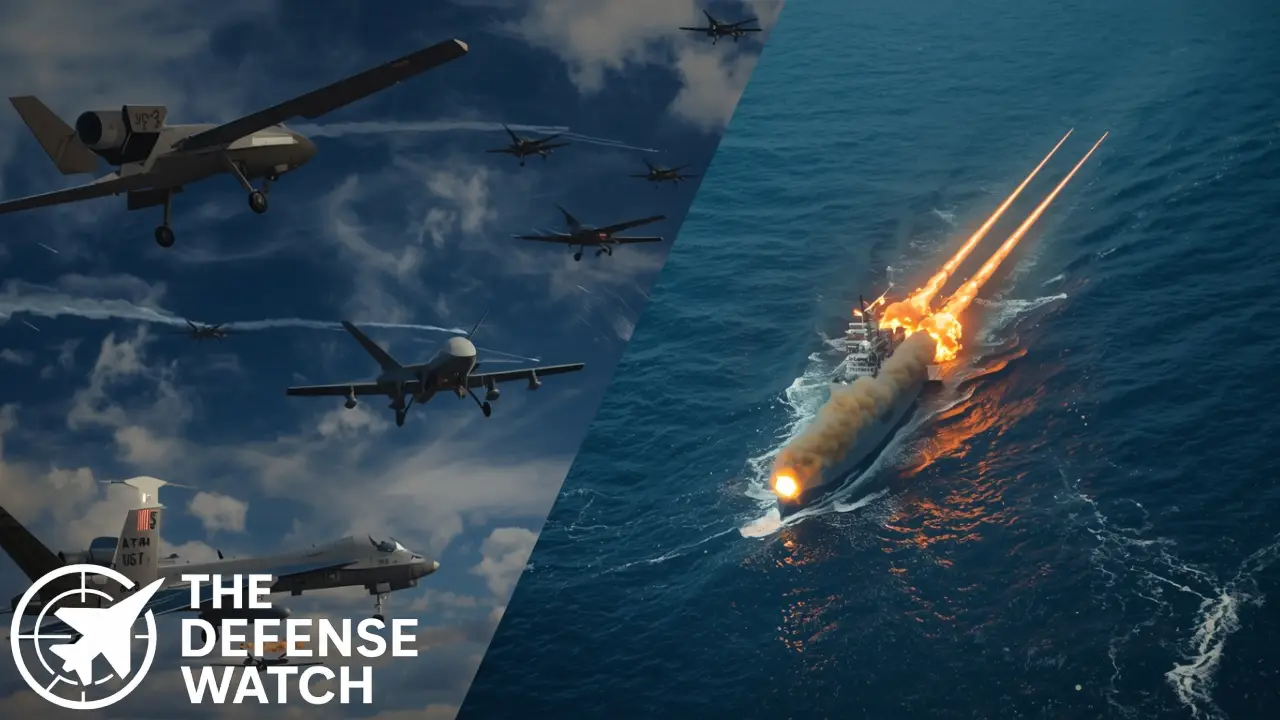
U.S. Triggers Development of 2025 National Defense Strategy
On May 2, 2025, the Department of Defense (DoD) formally initiated the drafting of the National Defense Strategy (NDS) for 2025, under new guidance from Secretary of Defense Pete Hegseth. The strategy is anchored in the administration’s “America First” and “Peace Through Strength” agenda, setting clear priorities: defending the U.S. homeland, securing its skies and borders, and deterring China in the Indo-Pacific. The initiative is spearheaded by Under Secretary of Defense for Policy Elbridge Colby, in coordination with Joint Staff and service-level strategists, with a targeted delivery date of August 31, 2025.
Shifting Emphasis: Homeland Over Global Commitments
Unlike recent administrations, the current interim NDS emphasizes the American homeland as the foremost strategic priority. Defense Secretary Hegseth described the shift—crafted quickly at the start of the term—as a necessary rebound from previous strategic direction. While China and the Indo-Pacific remain significant concerns, other theaters—particularly Europe, the Middle East, and Africa—are being deprioritized, with the Pentagon increasingly urging allies to bear more of the regional defense burden.
A classified interim guidance memo, heavily influenced by the Heritage Foundation, reinforces this adjustment: urging “denial defense” of Taiwan, enhancing homeland defense—including countering migration and drug threats—and scaling back U.S. obligations elsewhere.
Modernizing Forces for the New Era
In parallel with strategy development, Secretary Hegseth is driving substantial transformation in Army capabilities. A memo mandates integration of drone swarms—targeting one thousand drones per division—to supplant some crewed helicopter roles, and prioritizes advanced systems like the Precision Strike Missile and Long-Range Hypersonic Weapon. Streamlining headquarters, eliminating obsolescent systems, and embedding AI-driven command networks are central to this modernization push, especially aimed at enhancing lethality and readiness in the Indo-Pacific.
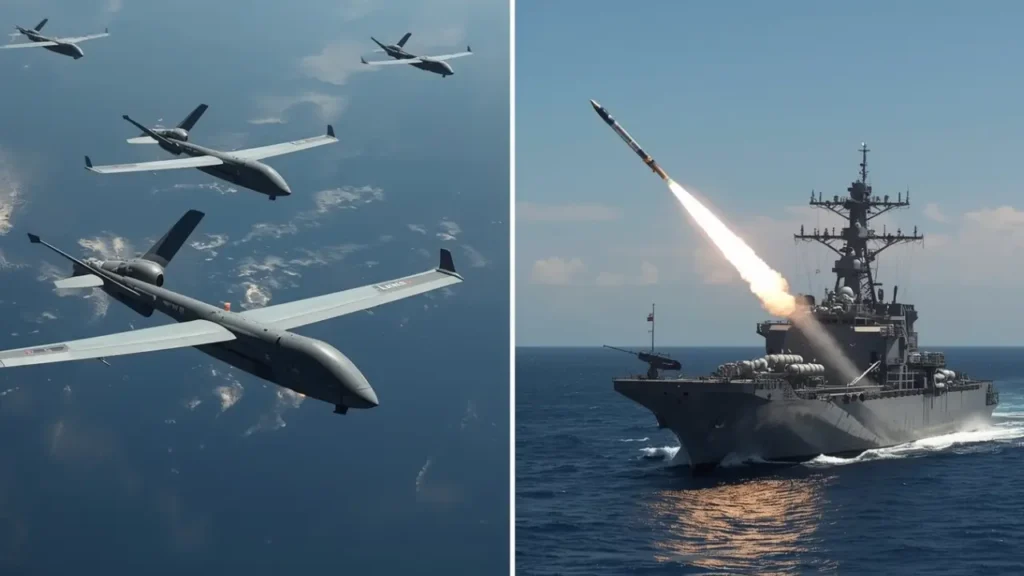
The Army Transformation Initiative further reinforces these reforms, consolidating multiple commands (Futures Command with TRADOC; Forces Command, North, and South into a Western Hemisphere Command), downsizing general officers, restructuring infantry brigades into mobile units, and deploying modern platforms—all to align resources with strategic imperatives.
Strategic Reform and Budgetary Constraints
Think tanks such as the Atlantic Council point out that the new NDS must navigate mounting fiscal pressures and technological disruption. Their analysis recommends five strategic pillars for the upcoming strategy: homeland defense, deterrence via modern force posture, recognizing China as the primary competitor, force modernization for AI-enabled combined-arms warfare, and dominance in space. Meanwhile, the broader defense planning community calls for a shift to mission-based force planning to align strategy with budget realities—emphasizing that previous NDS editions were ill-equipped to counter two major adversaries simultaneously.
Global Implications and Alliance Dynamics
Europe and other allies are poised for the fallout of the U.S.’ strategic pivot. The U.S.’ emphasis on burden-sharing is reshaping NATO expectations, with allies potentially assuming greater roles in regional defense in exchange for U.S. commitments elsewhere. At the same time, this shift underlines growing pressure on partners to modernize and increase contributions—especially as the U.S. reallocates resources toward Indo-Pacific deterrence and borders.
FAQs
The DoD has mandated completion of the NDS draft by August 31, 2025. An unclassified release will likely follow, but no public timeline is confirmed.
No. While Europe is receiving comparatively less priority, the U.S. expects allies to absorb greater responsibility. It’s a rebalancing, not abandonment.
Drone swarms provide cost-effective massed effects, reducing reliance on crewed platforms, enabling distributed lethal operations, and enhancing survivability in contested environments.
Get real time update about this post category directly on your device, subscribe now.

16 comments
[…] Israeli strike in Qatar carries profound implications for U.S. defense policy in the Middle […]
[…] United Nations Security Council condemned the strike in a statement agreed upon by all 15 members, including the United […]
[…] physical barriers and technological solutions. The Biden administration’s fiscal year 2025 homeland security budget emphasizes technology modernization, including over $500 million earmarked for surveillance and detection […]
[…] Modern militaries are heavily dependent on stable energy supplies. Cyber threats, fuel shortages, and climate pressures have exposed vulnerabilities in traditional grids. Nuclear power—particularly in modular and mobile forms—offers independence from fragile supply chains. […]
[…] Secure communications satellites, supporting military operations across the Indo-Pacific. […]
[…] eastward. How Washington and its partners adapt—and whether deterrence holds—will define the Indo-Pacific’s security architecture for […]
[…] underway in agencies including Treasury, Health and Human Services (HHS), Education, Commerce, and Homeland Security (particularly in cybersecurity) — although full totals remain fluid. The White House has defended […]
[…] and Strategic Posture First Flight of Air Force’s YFQ-42A Drone Wingman Marks Major Step… Dean-of-Defense Strategy 2025: U.S. Shifts Focus to Homeland and Indo-Pacific Amid… F-35 Program in 2025: Record Deliveries Expected but Upgrade Delays Cloud… AI-Armored Cyber […]
[…] Expected but Upgrade Delays Cloud… Why U.S. Artillery Shells Remain in Short Supply in 2025 Dean-of-Defense Strategy 2025: U.S. Shifts Focus to Homeland and Indo-Pacific Amid… SUBSCRIBE […]
[…] communications/battle-management links—particularly with the F-35 Lightning II. According to the National Security Journal article, the F-22 already serves as an “aerial quarterback” connecting intelligence, […]
[…] Paul Lanzilotta, commander of the strike group, said the force is deployed to “protect our nation’s security and prosperity against narco-terrorism in the Western […]
[…] The damage to China’s Shenzhou-20 spacecraft represents more than an operational setback for Beijing’s space program. It serves as a stark reminder that the orbital debris problem poses immediate risks to space operations, including military and intelligence assets critical to national security. […]
[…] the move strengthens Greece’s deterrence in a tense regional environment, particularly amid longstanding rivalry with Turkey over territorial waters, airspace, and maritime rights in the Eastern […]
[…] to the leaked 28-point draft (as reported by Sky News, National Security Journal, and others), the proposal includes the following major […]
[…] fires, conduct shoot-and-scoot operations, and support dispersed, mobile formations. In the Indo-Pacific context — with shifting security dynamics, rising emphasis on joint and distributed operations, and growing interest in allied […]
[…] Department of Homeland Security described the shooting as defensive, saying a Border Patrol agent fired after the man approached […]