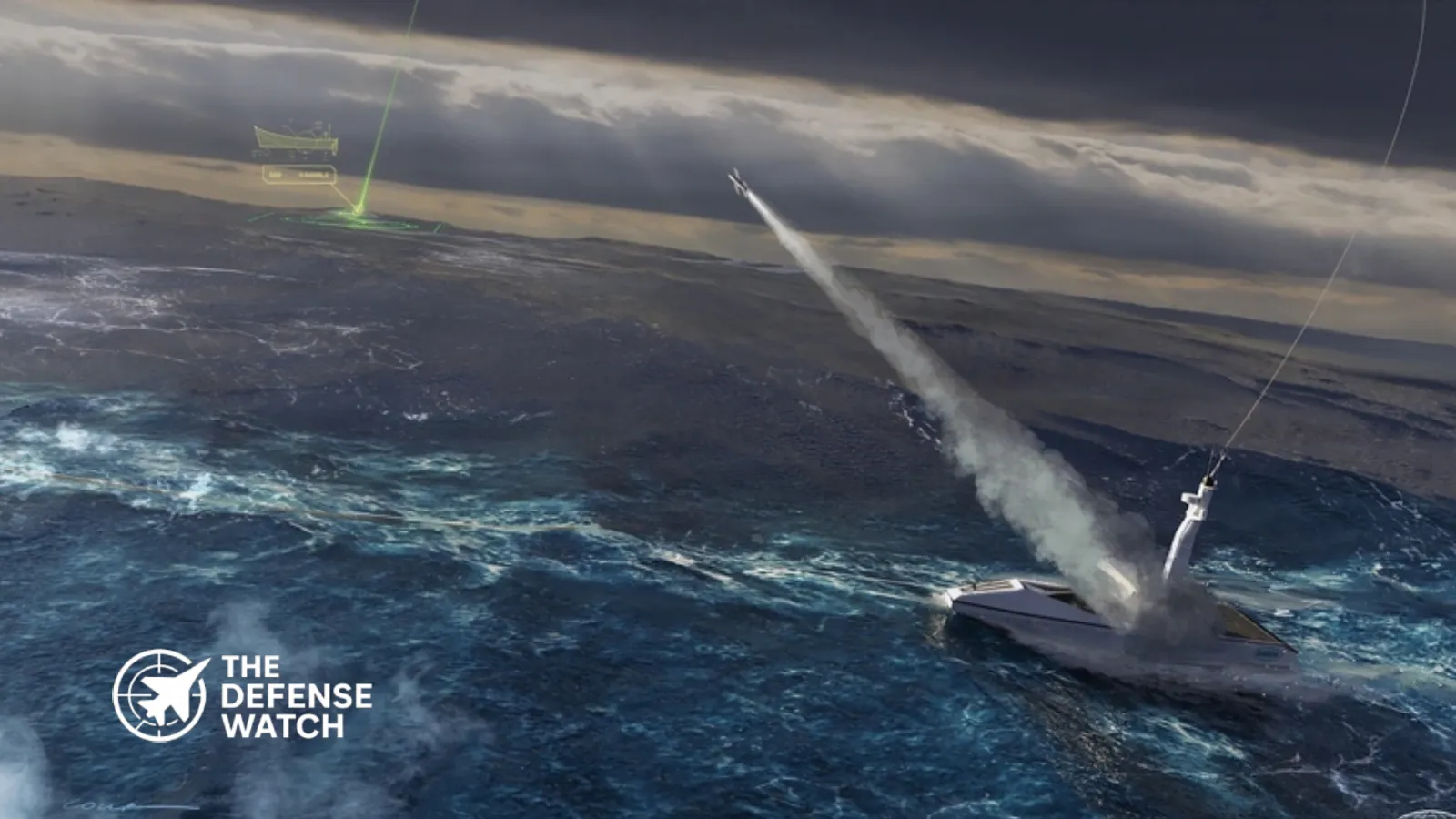
- The United States has deployed uncrewed drone boats in operational environments linked to tensions with Iran.
- These systems are part of a broader U.S. Navy effort to expand autonomous maritime surveillance and deterrence.
- The vessels operate with minimal human input, using AI-enabled sensors and remote command systems.
- Deployment reflects increasing focus on countering Iranian naval activity in the Persian Gulf region.
- The move signals a wider shift toward integrating unmanned platforms into frontline naval operations.
US Deploys Uncrewed Drone Boats In Conflict With Iran
The US deploys uncrewed drone boats in conflict with Iran as part of a growing effort to enhance maritime surveillance and deterrence in contested waters, according to reporting by Defense News. The move highlights the U.S. Navy’s accelerating adoption of autonomous systems in operational environments.
These uncrewed surface vessels (USVs), often referred to as drone boats, are designed to operate with limited human oversight while providing persistent monitoring capabilities. Their deployment comes amid heightened tensions between Washington and Tehran, particularly in and around the Persian Gulf.
Expanding Role Of Naval Autonomy
The decision to deploy drone boats reflects a broader shift in U.S. naval strategy. The Navy has increasingly prioritized unmanned systems to extend operational reach without exposing personnel to risk.
Unlike traditional patrol vessels, these platforms can remain at sea for extended periods. Equipped with advanced sensors, cameras, and communications systems, they gather real-time intelligence and relay it to command centers.
Defense officials cited by Defense News indicate that the systems are already contributing to maritime domain awareness, especially in monitoring Iranian naval movements and commercial shipping lanes.
This approach aligns with ongoing initiatives such as Task Force 59, a U.S. Navy unit focused on integrating unmanned systems and artificial intelligence into fleet operations.
Strategic Context In The Iran Theater
The deployment of uncrewed drone boats in conflict with Iran is closely tied to persistent security concerns in the region. The Persian Gulf remains a critical chokepoint for global energy flows, and any disruption carries significant economic implications.
Iran has previously been linked to incidents involving commercial vessels, including harassment and seizures. In this environment, persistent surveillance becomes essential.
Drone boats offer a cost-effective way to maintain continuous presence. They can patrol wide areas, track suspicious activity, and provide early warning without requiring large crews or expensive manned ships.
From a strategic standpoint, this capability strengthens deterrence. It signals that the U.S. can maintain visibility and responsiveness even in contested waters.
Operational Advantages And Limitations
The use of drone boats provides several operational advantages. First, they reduce risk to personnel. Second, they allow for scalable deployment, meaning multiple units can be fielded simultaneously at lower cost.
However, these systems are not without limitations. Communication links can be vulnerable to disruption, particularly in electronic warfare environments. Additionally, rules of engagement for autonomous or remotely operated systems remain a complex issue.
Despite these challenges, the U.S. Navy continues to expand testing and operational use. Officials emphasize that unmanned systems are intended to complement, not replace, traditional naval assets.
Implications For Future Naval Warfare
The fact that the US deploys uncrewed drone boats in conflict with Iran underscores a broader transformation in naval warfare. Autonomous systems are moving from experimental phases into real-world operations.
This shift is not limited to the United States. Other nations, including China and Russia, are also investing heavily in unmanned maritime platforms. The result is an increasingly competitive environment where technological advantage plays a key role.
For the U.S., maintaining leadership in this domain is seen as critical. The integration of AI, machine learning, and networked systems into naval operations is expected to define future maritime strategy.
Analysis: A Measured But Significant Shift
While the deployment may appear incremental, its implications are substantial. The use of drone boats represents a shift from platform-centric warfare to network-centric operations.
Instead of relying solely on large, high-value ships, the Navy is building a distributed force. This approach enhances resilience and complicates adversary targeting.
At the same time, the deployment sends a calibrated signal to Iran. It demonstrates capability without escalating to more visible or provocative measures, such as additional warship deployments.
In practical terms, the strategy allows the U.S. to maintain pressure and awareness while managing escalation risks.
What Comes Next
Looking ahead, the role of uncrewed systems is expected to expand further. Additional deployments, integration with aerial drones, and enhanced AI capabilities are likely areas of focus.
The continued use of drone boats in the Iran theater may also serve as a testing ground for broader operational concepts.
As the US deploys uncrewed drone boats in conflict with Iran, it marks a clear step toward a more automated and data-driven approach to maritime security.
Get real time update about this post category directly on your device, subscribe now.