- ► The United Kingdom has deployed Wildcat helicopters to the Eastern Mediterranean to support counter-UAS operations.
- ► The move comes amid escalating tensions linked to the ongoing Iran conflict in the region.
- ► Royal Navy Wildcat helicopters are equipped with sensors and weapons suitable for tracking and engaging aerial threats.
- ► The aircraft will operate in coordination with British naval assets already positioned in the Mediterranean.
- ► The deployment highlights growing Western focus on counter-drone defense in regional maritime operations.
UK Deploys Royal Navy Wildcat Helicopters in Counter-Drone Role Amid Escalating Iran Conflict
The United Kingdom has moved to reinforce its defensive posture in the Eastern Mediterranean by deploying two Royal Navy Wildcat HMA2 helicopters specifically for counter-unmanned aircraft system (C-UAS) operations. The decision, detailed in a March 3, 2026, announcement from the UK Ministry of Defence (MoD), comes amid heightened tensions in the Iran conflict 2026 and follows a direct drone incident targeting British assets.
On the night of March 1, 2026, a single Shahed-type one-way attack unmanned aerial system (UAS)—attributed by sources to Hezbollah militia operating from Lebanon—struck the edge of the runway at RAF Akrotiri in Cyprus. The base, a key UK sovereign facility, supports regional operations and hosts RAF aircraft. No casualties were reported, but the incident underscored vulnerabilities to low-cost, proliferating drone threats linked to Iranian proxies.
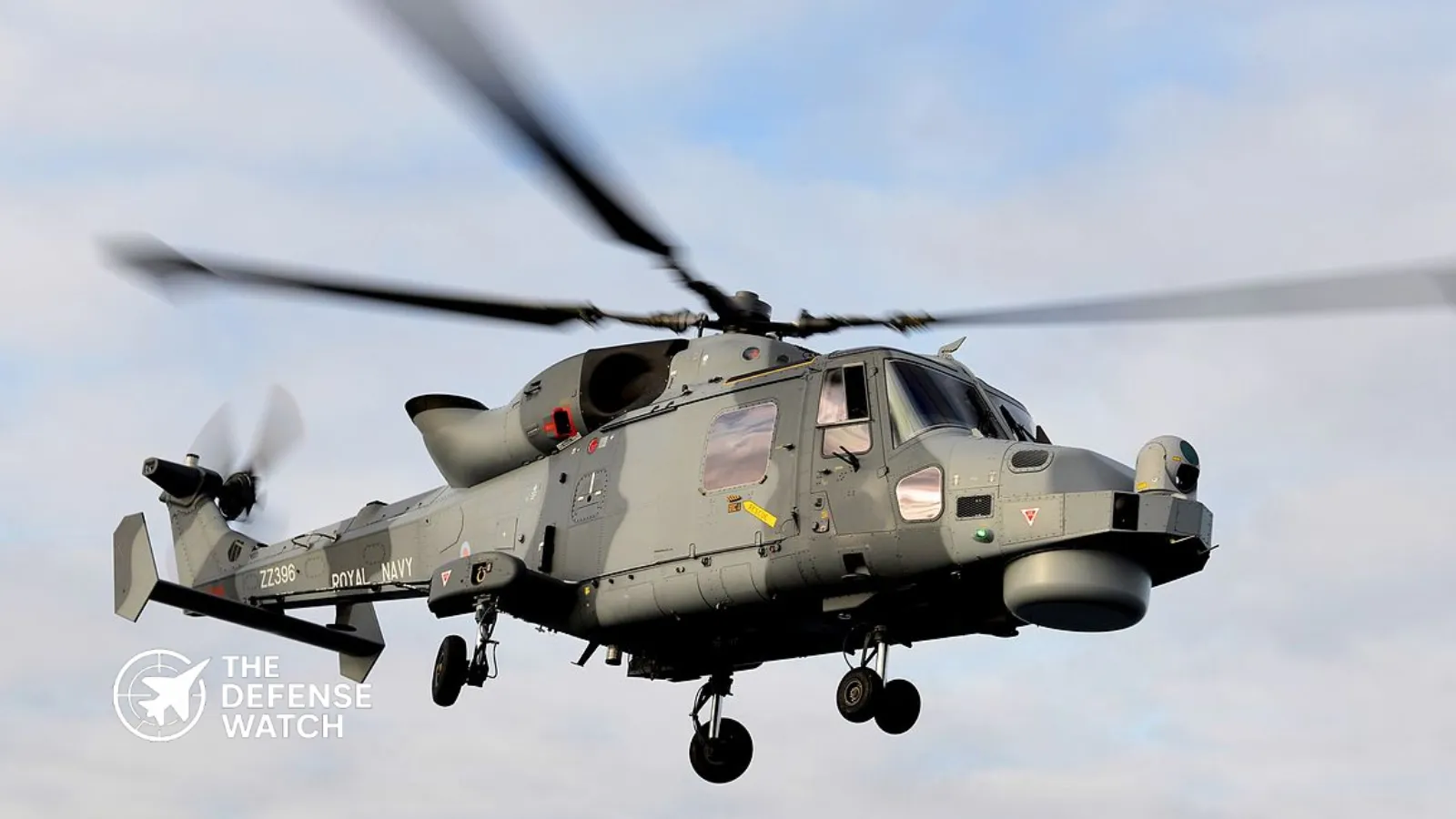
In response, the MoD confirmed the rapid deployment of two Wildcat flights from 815 Naval Air Squadron (NAS), based at RNAS Yeovilton. These Leonardo AW159 Wildcat HMA2 maritime attack helicopters are equipped with active electronically scanned array (AESA) radar for enhanced detection and carry the Thales Martlet lightweight multimode guided weapon system. Martlet, integrated following successful trials—including an air-to-air firing during Exercise Wildfire in September 2025—enables precise engagement of aerial threats at ranges suitable for countering drones, cruise missiles, and other low-altitude targets.
The MoD emphasized the helicopters’ versatility: “The Wildcat helicopters, armed with the Martlet missile system, will be able to hunt and shoot down aerial threats, adding a powerful counter-drone capability to the region.” A statement from 815 NAS highlighted operational flexibility, noting that Wildcat with AESA radar “can hunt and destroy UAS from ship or shore, bringing flexibility and a rapid lethal response anywhere in the world at very short notice.”
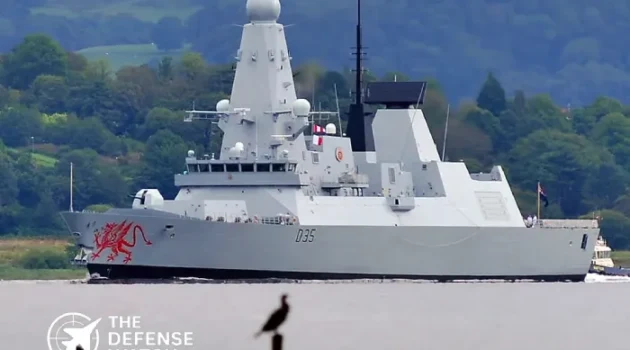
This deployment coincides with the movement of the Type 45 destroyer HMS Dragon to the Eastern Mediterranean. The Daring-class vessel provides advanced area air defense via its Sea Viper (Aster) missile system, capable of engaging multiple high-speed threats simultaneously. Together, the assets form a layered defense: ship-based radar and missiles for broader coverage, complemented by agile helicopter-borne interceptors for closer-in, dynamic threats.
The UK’s actions align with broader allied efforts to safeguard regional stability as the Iran conflict 2026 involves sustained exchanges, including Iranian retaliatory strikes and coalition defensive intercepts. Recent reports indicate UK forces have neutralized Iranian-linked drones in Iraqi and Qatari airspace using RAF Typhoons and other platforms. Prime Minister Keir Starmer and Defence Secretary John Healey have framed the moves as protective measures for British personnel, Cypriot partners, and collective self-defense—without direct offensive involvement in strikes on Iran.
The Wildcat’s new C-UAS mission builds on its established maritime roles, including anti-surface warfare. The Martlet system’s introduction expands the platform’s utility against asymmetric threats, a growing priority as one-way attack drones proliferate in regional conflicts. This capability enhances rapid response options, allowing operations independent of fixed bases when needed.
Analysts note that the Eastern Mediterranean deployment addresses gaps in countering low-signature, swarming UAS threats, which traditional air defenses sometimes struggle to prioritize amid higher-end missile risks. By integrating rotorcraft with advanced sensors and precision munitions, the UK adds a mobile, expeditionary layer that can operate from forward sites like Cyprus or allied vessels.
The move also reflects strategic signaling: reinforcing commitments to NATO southern flank partners and deterring further proxy attacks on Western infrastructure. As the conflict evolves, such deployments may set precedents for rotary-wing C-UAS integration in contested environments.
Get real time update about this post category directly on your device, subscribe now.