
Table of Contents
Romania Otokar Armored Vehicle Dispute Escalates
The Romania Otokar armored vehicle dispute has intensified after Romanian authorities demanded an additional 230.2 million Lei from Turkish defense contractor Otokar, citing delays in the project’s local production schedule.
The new payment request comes weeks after Romania imposed a separate penalty of 191.8 million Lei on January 16, increasing financial pressure on the company and raising questions about the future of the armored vehicle program.
According to statements released by Otokar and Romanian officials, negotiations remain ongoing as both sides seek a path forward for the contract.
Background Of The Contract
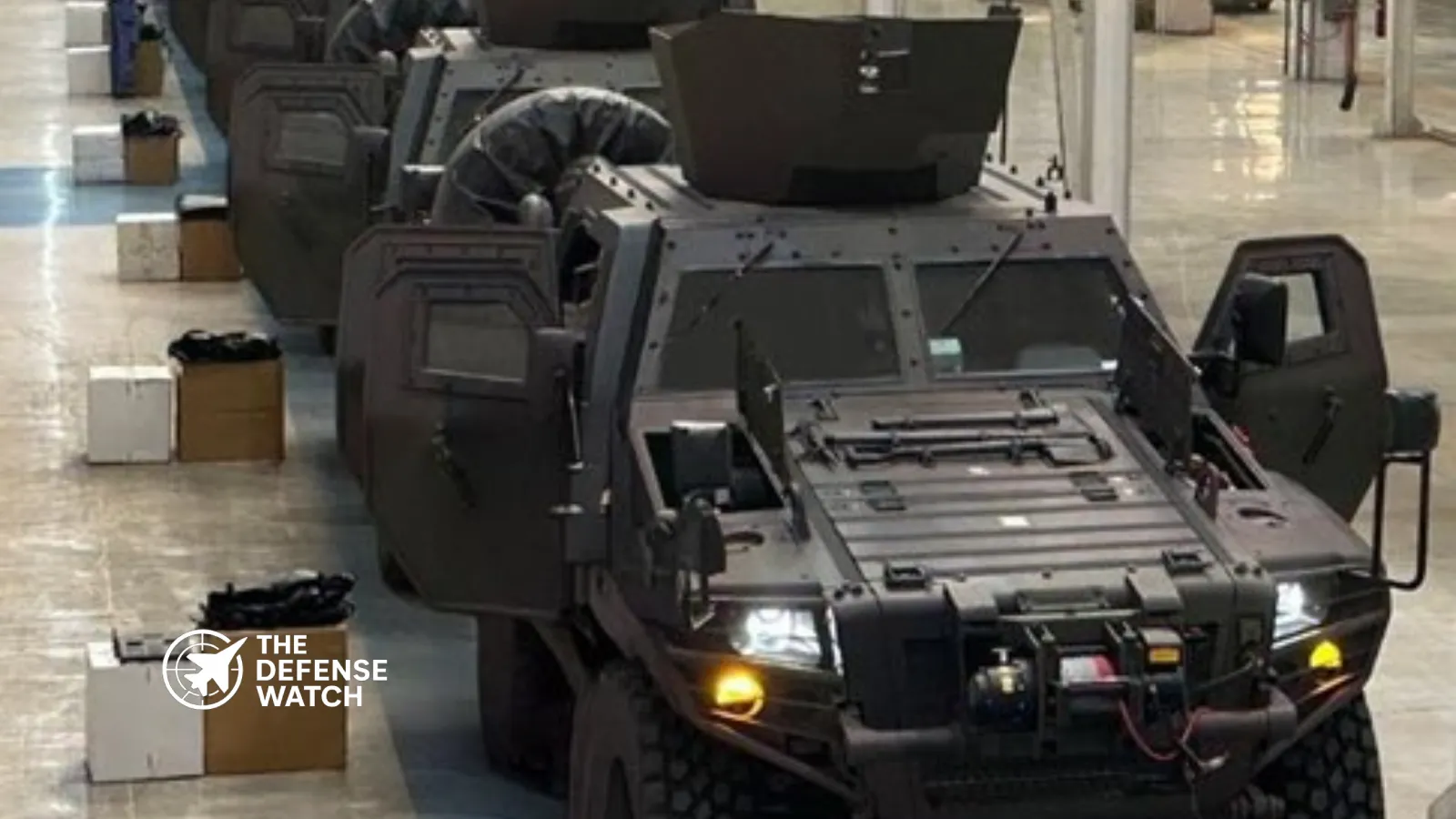
Otokar, a subsidiary of Turkey’s Koç Group, secured a contract with Romania to supply armored vehicles and establish local production capabilities. The agreement included provisions for domestic assembly and technology transfer, a key priority for Romania as it modernizes its land forces.
Romania, a NATO member on the alliance’s eastern flank, has accelerated defense procurement since 2022. The country has expanded acquisitions across air defense, artillery, and armored platforms in response to shifting regional security dynamics.
Under the terms of the armored vehicle agreement, Otokar committed to meeting defined production milestones within Romania. Authorities in Bucharest now argue those timelines were not met, triggering contractual penalty clauses.
Second Financial Claim Filed
The latest demand of 230.2 million Lei follows a previous penalty of 191.8 million Lei imposed earlier this year. Combined, the financial claims exceed 420 million Lei.
Romanian officials cited delays in the local production schedule as the basis for both penalties. The Ministry of National Defense has not publicly detailed the specific milestones in question but maintains that contractual obligations must be enforced.
Otokar confirmed it has made the requested payment while formally objecting to the decision. The company is preparing to file a lawsuit seeking annulment of the penalty, arguing that the claims lack sufficient contractual justification.
Otokar Moves To Stabilize Operations
Between the two penalty decisions, Otokar acquired its local Romanian partner, consolidating control over in-country operations. The move was seen as an effort to streamline management, accelerate production adjustments, and address compliance issues linked to the project.
Industry analysts note that acquiring a local partner can reduce coordination friction and allow faster decision making. However, such steps do not automatically resolve contractual disputes tied to prior timelines.
Otokar has stated that it remains committed to the Romanian program and to fulfilling its contractual obligations.
Legal And Contractual Implications
The Romania Otokar armored vehicle case now appears headed toward legal review. By filing a lawsuit for annulment, Otokar seeks to challenge the validity of the imposed penalties under Romanian and international contract law.
Defense procurement contracts often include strict milestone clauses tied to payments, delivery schedules, and local industrial participation requirements. Delays can trigger automatic penalties, particularly in government-to-industry agreements involving domestic production commitments.
Romania has increasingly emphasized local industrial participation in major defense acquisitions, aligning with broader European Union objectives to strengthen domestic defense manufacturing capacity.
If the court sides with Romanian authorities, Otokar may face sustained financial exposure. If the penalties are overturned, it could reset negotiations and ease tension around the project’s continuation.
Strategic Context For Romania
Romania has steadily increased its defense spending in recent years, meeting NATO’s two percent GDP target and committing to further increases. The country has invested in platforms such as the Patriot air defense system and advanced artillery systems as part of a broader modernization push.
Armored vehicles remain central to Romania’s ground force transformation strategy, particularly for mechanized infantry and rapid reaction units.
Delays in local production can affect readiness timelines and industrial planning, especially when projects are structured around technology transfer and workforce development.
Impact On Otokar
For Otokar, Romania represents a significant European market opportunity. The company has pursued expansion across NATO countries and Eastern Europe, positioning its armored vehicle platforms for international export.
The Romania Otokar armored vehicle dispute introduces both financial and reputational risk. While contractual disagreements are not uncommon in large defense programs, repeated penalty actions may complicate future bidding processes in European markets.
Otokar has emphasized its intent to continue negotiations and resolve the matter within legal frameworks. The company has not indicated any suspension of production activities.
What Happens Next
Negotiations between Otokar and Romanian authorities are ongoing. Legal proceedings, if formally initiated, could take months to resolve depending on the scope of judicial review.
Key factors to monitor include:
- Court acceptance of Otokar’s annulment request
- Potential restructuring of production milestones
- Revised delivery timelines
- Any amendment to penalty clauses
Neither side has announced termination of the contract, suggesting both remain interested in preserving the program despite current tensions.
Broader Lessons For Defense Contracts
The Romania Otokar armored vehicle case highlights several recurring themes in modern defense procurement:
- Strict enforcement of milestone-based payments
- Growing emphasis on local industrial participation
- Legal recourse as a standard dispute resolution tool
- Increased scrutiny on delivery timelines in high-priority programs
As NATO members expand military capabilities, defense contractors face tighter oversight and reduced tolerance for schedule deviations.
Conclusion
The Romania Otokar armored vehicle dispute has entered a critical phase following a second financial claim of 230.2 million Lei. With total penalties now exceeding 420 million Lei, Otokar’s legal challenge will play a central role in determining the program’s future trajectory.
Both sides continue negotiations, signaling that while tensions are high, the contract remains active.
The outcome will likely influence how future European defense contracts balance local production commitments with delivery timelines.
Get real time update about this post category directly on your device, subscribe now.
