
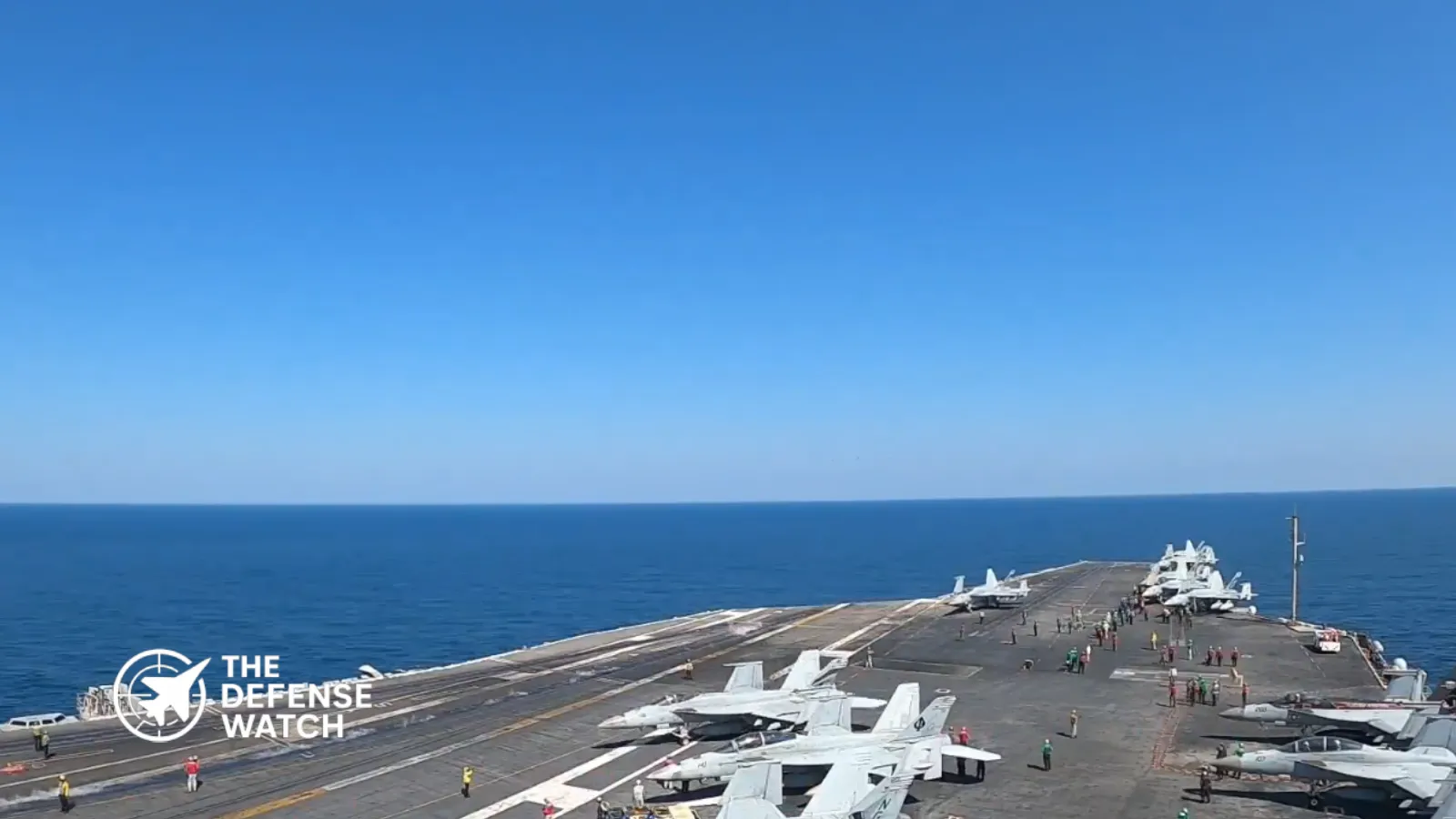
US Navy Royal Saudi Naval Forces Exercise Strengthens Maritime Cooperation
The US Navy and Royal Saudi Naval Forces have concluded Exercise Indigo Defender, a bilateral maritime drill aimed at improving interoperability, tactical coordination, and regional maritime security, according to US Central Command.
The exercise was conducted in the Red Sea and surrounding waters, a region critical to global trade and energy flows. Indigo Defender brought together surface combatants, maritime patrol assets, and naval personnel from both countries in a series of coordinated operations focused on real world naval missions.
US Central Command described the exercise as part of ongoing efforts to strengthen partnerships and maintain freedom of navigation in the Middle East maritime domain.
Exercise Indigo Defender and Its Strategic Purpose
Exercise Indigo Defender is a recurring bilateral naval exercise designed to improve cooperation between the US Navy and Royal Saudi Naval Forces. The drill focuses on enhancing combined maritime operations, information sharing, and command and control procedures.
During the latest iteration, participating forces conducted a range of naval activities, including maritime interdiction operations, surface warfare drills, tactical maneuvering, and communication exercises. These activities are intended to ensure that both navies can operate together effectively during routine patrols or in response to regional contingencies.
US Central Command stated that the exercise supports its broader mission to work with regional partners to promote stability, deter aggression, and protect the free flow of commerce through key waterways.
Operational Areas and Training Activities
The Red Sea remains one of the most strategically significant maritime corridors in the world. It links the Mediterranean Sea to the Indian Ocean through the Suez Canal and Bab el Mandeb Strait, carrying a large share of global shipping traffic.
Exercise Indigo Defender emphasized operations relevant to this environment. Training events included visit, board, search, and seizure procedures, coordinated surface patrols, and maritime domain awareness activities. These drills help naval forces identify and respond to potential threats such as smuggling, piracy, or hostile actions against commercial shipping.
By operating together in complex maritime scenarios, the US Navy and Royal Saudi Naval Forces improved their ability to communicate, share situational awareness, and execute combined missions with minimal friction.
Role of the Royal Saudi Naval Forces
The Royal Saudi Naval Forces play a central role in protecting Saudi Arabia’s extensive coastline along both the Red Sea and the Arabian Gulf. In recent years, Saudi Arabia has invested heavily in naval modernization, including new surface combatants, improved command systems, and expanded training programs.
Participation in Exercise Indigo Defender allows Saudi naval forces to refine their operational skills alongside a technologically advanced partner. It also supports Saudi Arabia’s broader defense objectives, which include safeguarding maritime infrastructure, energy export routes, and critical ports.
US officials have repeatedly highlighted Saudi Arabia as a key maritime security partner in the Middle East, particularly in efforts to counter regional threats and maintain stability in international waters.
US Navy Objectives and Regional Presence
For the US Navy, Indigo Defender supports long standing objectives in the US Central Command area of responsibility. These include maintaining freedom of navigation, deterring state and non state threats, and building partner capacity through combined training.
The exercise aligns with US Navy efforts to operate with allies and partners as part of integrated maritime security frameworks. By conducting regular bilateral and multilateral exercises, the US Navy aims to ensure that partner forces can operate seamlessly during joint missions.
US Central Command noted that exercises like Indigo Defender demonstrate a shared commitment to maritime security and reinforce the rules based international order at sea.
Broader Middle East Maritime Security Context
Maritime security remains a major concern in the Middle East due to regional tensions, threats to commercial shipping, and the presence of armed non state actors. Attacks on vessels, attempted seizures, and the use of naval mines and unmanned systems have highlighted the need for strong cooperative security measures.
Bilateral exercises such as Indigo Defender complement wider multinational initiatives focused on maritime domain awareness and cooperative patrols. They also serve as a visible signal of cooperation between the United States and regional partners.
According to US Central Command, strengthening naval partnerships helps reduce the risk of miscalculation and improves collective readiness to respond to emerging threats.
Importance of Interoperability and Trust
A key outcome of Exercise Indigo Defender is improved interoperability between the US Navy and Royal Saudi Naval Forces. Interoperability goes beyond shared tactics and includes compatible communication systems, aligned procedures, and mutual trust between personnel.
Exercises provide sailors and officers with direct experience working together, building professional relationships that are critical during real world operations. This human element is often cited by military leaders as one of the most valuable aspects of combined training.
US Central Command emphasized that sustained engagement with regional navies contributes to long term stability and enhances collective maritime security capabilities.
Looking Ahead
While US Central Command did not announce details of future iterations, Indigo Defender is part of an ongoing series of bilateral engagements between the United States and Saudi Arabia. Similar exercises are expected to continue as both countries seek to adapt to evolving maritime threats.
As regional security challenges persist, combined naval training remains a cornerstone of US and Saudi defense cooperation. Exercises like Indigo Defender underline the importance of readiness, partnership, and shared responsibility in safeguarding vital maritime routes.
Get real time update about this post category directly on your device, subscribe now.
