
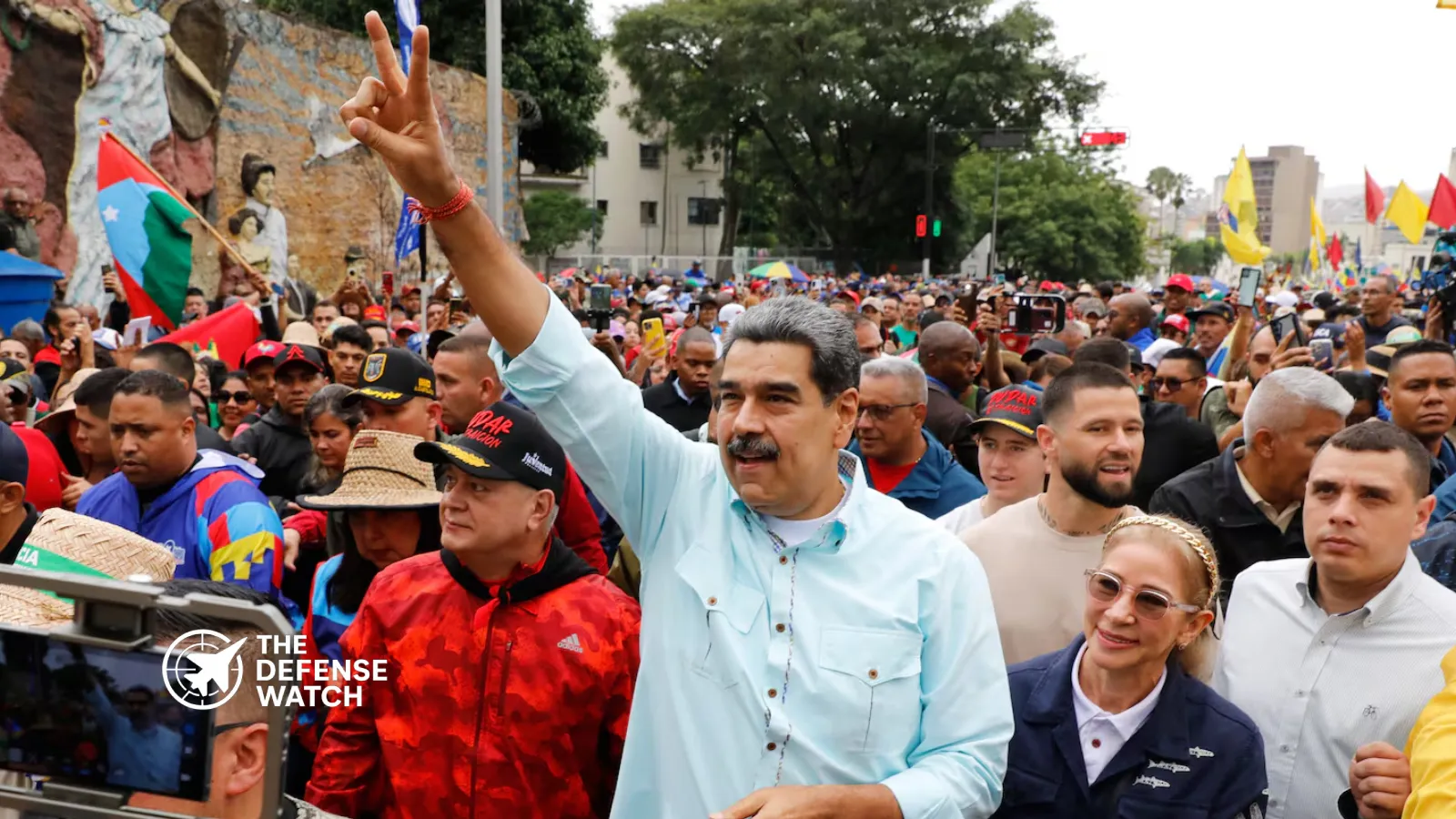
US Military Captures Venezuelan Leader Nicolás Maduro
On January 3 2026 US military forces carried out a major operation in Venezuela that resulted in the capture of President Nicolás Maduro and his wife Cilia Flores. The pre-dawn assault in Caracas came as part of a broader set of strikes against Venezuelan military sites and infrastructure. Following their capture Maduro and Flores were flown to the United States to face federal charges.
Background: Rising Tensions and Legal Context
The operation, code-named Operation Absolute Resolve, was the culmination of rising tensions between Washington and Caracas. The US government has long accused Maduro’s government of involvement in drug trafficking and narcoterrorism, backing a standing federal indictment unsealed in 2020 that charged Maduro and senior officials with conspiracy to traffic cocaine into the United States.
Over recent months the Trump administration ramped up military and economic pressure on Venezuela. This included naval deployments to the Caribbean Sea and strikes on vessels the US described as drug trafficking threats. The US also designated the Venezuelan government as a terrorist organization in late 2025.
Details of the Operation
Pre-dawn Assault in Caracas
According to official accounts the US launched coordinated air and ground strikes on key military facilities around Caracas in the early hours of January 3 local time. The mission involved disabling Venezuelan air defenses and striking strategic locations including the Fuerte Tiuna complex. Multiple aircraft and helicopters supported Special Operations forces moving into Maduro’s compound.
President Trump, briefing reporters after the operation, described Maduro’s residence as heavily fortified. US forces had reportedly rehearsed the raid using a replica of the compound. Once inside, US personnel encountered resistance but were able to detain Maduro and his wife without reported US fatalities, though some American troops were injured.
Transfer to US Custody
After their capture both Maduro and Flores were initially taken to the USS Iwo Jima, an amphibious assault ship positioned off Venezuela, before being flown to New York. There they are to face federal charges including narco-terrorism conspiracy and cocaine trafficking in the Southern District of New York. The charges stem from the 2020 indictment that had remained unexecuted until this operation.
Venezuelan Government and Constitutional Response
In Caracas the Venezuelan government condemned the operation as a violation of national sovereignty. Vice President Delcy Rodríguez, invoking constitutional provisions, declared herself interim president after Maduro’s removal. She demanded proof of life for the detained leader and rejected the legitimacy of the US action.
International and Legal Dimensions
The US framed the mission in part as the execution of its own law enforcement process, citing the domestic indictment against Maduro. However legal experts have questioned whether that rationale holds under international law, which generally prohibits the use of force without self-defense or UN authorization. Critics have also noted the absence of congressional approval for the military action.
The operation drew comparisons to the 1989 US mission that ousted Panamanian leader Manuel Noriega. The seizure of a sitting head of state for domestic prosecution is rare and has sparked debate among international law scholars and diplomats.
Regional and Global Response
Reports indicate Colombia moved additional forces to its border with Venezuela amid concerns of refugee flows and instability. Other regional actors and global institutions have called for respect for sovereignty and adherence to international norms, though reactions vary widely.
Impact and What Comes Next
The capture of Nicolás Maduro marks a significant escalation in US-Venezuela relations and raises complex questions about international law, regional stability, and the future of Venezuelan governance. With Maduro and Flores in US custody, legal proceedings are expected to begin in New York. Meanwhile Venezuela faces internal disputes over leadership and the broader implications of foreign military intervention.
Get real time update about this post category directly on your device, subscribe now.
