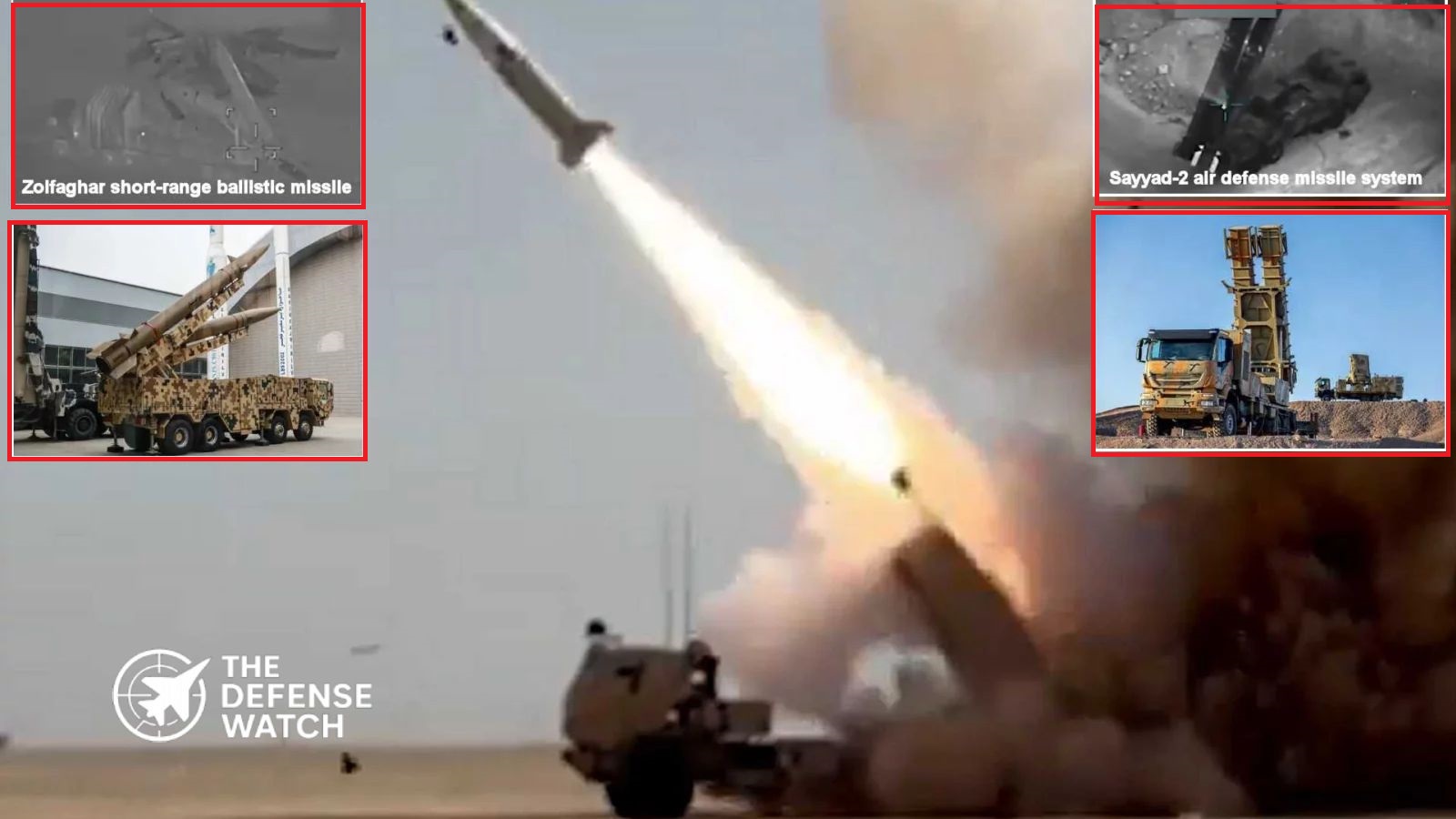
- ► A US ATACMS missile strike reportedly destroyed a Shahed-129 drone and a Sayyad-2 air defense system.
- ► The Shahed-129 is a medium altitude long endurance UAV used for surveillance and strike missions.
- ► The Sayyad-2 is part of Iran’s medium range surface to air missile architecture.
- ► ATACMS provides deep strike capability beyond 300 kilometers depending on variant.
- ► The strike highlights the vulnerability of fixed air defense nodes to precision guided ballistic missiles.
US ATACMS Missile Strike Destroys Iran Shahed-129 Drone And Sayyad-2 Air Defense System
The US ATACMS missile strike destroyed an Iranian Shahed-129 drone and a Sayyad-2 air defense system, according to a reports. The strike reportedly targeted high value Iranian unmanned and surface to air missile assets amid heightened regional tensions.
The report states that a US Army Tactical Missile System, known as ATACMS, was used to engage and eliminate both systems in a precision strike. If confirmed, the engagement marks a significant operational use of long range ground launched munitions against layered air defense infrastructure.
What Was Targeted
The Shahed-129 is one of Iran’s most capable unmanned aerial vehicles. Developed by Iran’s defense industry, it is designed for intelligence, surveillance, reconnaissance, and limited strike missions. The drone has been widely assessed by defense analysts as comparable in role to the US MQ-1 Predator class, though with different avionics and payload configurations.
The Sayyad-2 missile forms part of Iran’s indigenous surface to air missile network. It is associated with medium range air defense systems intended to counter aircraft, cruise missiles, and unmanned systems. Open source defense analysis has linked the missile to variants deployed within the Talash and other Iranian air defense batteries.
A US ATACMS missile strike against both a UAV platform and an air defense launcher suggests deliberate targeting of surveillance and protective layers within a broader network.
ATACMS Capability In Focus
The US ATACMS missile strike underscores the operational value of the Army Tactical Missile System. Developed by Lockheed Martin, ATACMS is a solid fueled, surface to surface ballistic missile launched from the M270 MLRS or HIMARS platforms.
Depending on the variant, ATACMS can reach ranges exceeding 300 kilometers. Its guidance system combines inertial navigation with GPS updates, enabling precision strikes against fixed and semi fixed targets.
In recent conflicts, ATACMS has been used to target airfields, logistics depots, and air defense assets. A strike against a Sayyad-2 battery aligns with established doctrine, which prioritizes suppression and destruction of enemy air defenses before expanding air or missile operations.
From an operational standpoint, destroying a medium range air defense system reduces coverage gaps and complicates adversary attempts to contest airspace.
Strategic Implications For Iran’s Air Defense Network
Iran’s air defense architecture is layered, combining legacy systems, domestically produced missiles, and limited imported technologies. The Sayyad series represents an effort to modernize that network with improved range and engagement capability.
If the reported US ATACMS missile strike eliminated an operational Sayyad-2 unit, it would signal that even medium range batteries are vulnerable to precision ballistic threats.
This carries broader implications.
Fixed radar and launcher sites are inherently exposed once detected. Ballistic missile trajectories reduce reaction time for defenders. Unless supported by mobile relocation, camouflage, and hardened shelters, such systems can be neutralized early in a campaign.
At the same time, the loss of a Shahed-129 drone reduces Iran’s ability to conduct persistent surveillance. UAVs often provide targeting data for missile and artillery units. Removing that asset affects situational awareness.
Operational Lessons
Several lessons emerge from the reported US ATACMS missile strike.
First, deep strike systems remain central to modern conflict. Ground launched ballistic missiles allow engagement without exposing aircraft to contested airspace.
Second, unmanned systems and air defense nodes are priority targets. Disrupting ISR and missile shields can shape the operational environment quickly.
Third, survivability depends on mobility. Static systems face growing risks from precision guided munitions.
These dynamics have been observed in multiple theaters in recent years. Western military doctrine increasingly emphasizes long range fires as a decisive tool in high intensity conflict.
What Comes Next
While the report from Army Recognition details the destruction of the Shahed-129 and Sayyad-2 system, independent confirmation from US or Iranian official sources has not been publicly released at the time of writing.
Defense analysts will closely monitor satellite imagery and official statements for further validation. The incident may also influence procurement decisions across the region, particularly regarding counter ballistic missile defenses and hardened infrastructure.
For now, the US ATACMS missile strike serves as a case study in the effectiveness of precision long range fires against integrated air defense components.
Get real time update about this post category directly on your device, subscribe now.