Iran Chinese Spy Satellite Targeting US Bases Signals ISR Shift
Iran Chinese spy satellite targeting of U.S. military installations in the Middle East marks a notable evolution in Tehran’s intelligence, surveillance, and reconnaissance capabilities, according to a report by the Financial Times. The report cites leaked documents indicating that Iran used a Chinese-provided satellite system to monitor and potentially support strike operations against American and allied positions across the region.
The development underscores a growing integration of commercial and foreign-supplied space-based assets into Iran’s military planning cycle, narrowing long-standing gaps in precision targeting and real-time battlefield awareness.
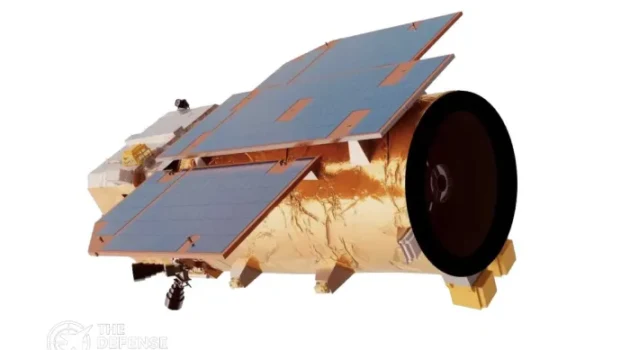
- Iran reportedly acquired the Chinese-built “TEE-01B” reconnaissance satellite in late 2024.
- The satellite provided imagery of multiple U.S. and allied bases across the Middle East.
- High-resolution imagery, estimated at around 0.5 meters, enabled improved target identification.
- Satellite data was reportedly used before and after drone and missile strikes in March.
- China denied involvement, rejecting claims tied to military targeting operations.
Satellite Acquisition And Operational Use
According to the report, Iran obtained control of the Chinese-built “TEE-01B” satellite in late 2024, after it was launched from China and transferred to Iranian operators. The system is believed to be operated by the Islamic Revolutionary Guard Corps Aerospace Force.
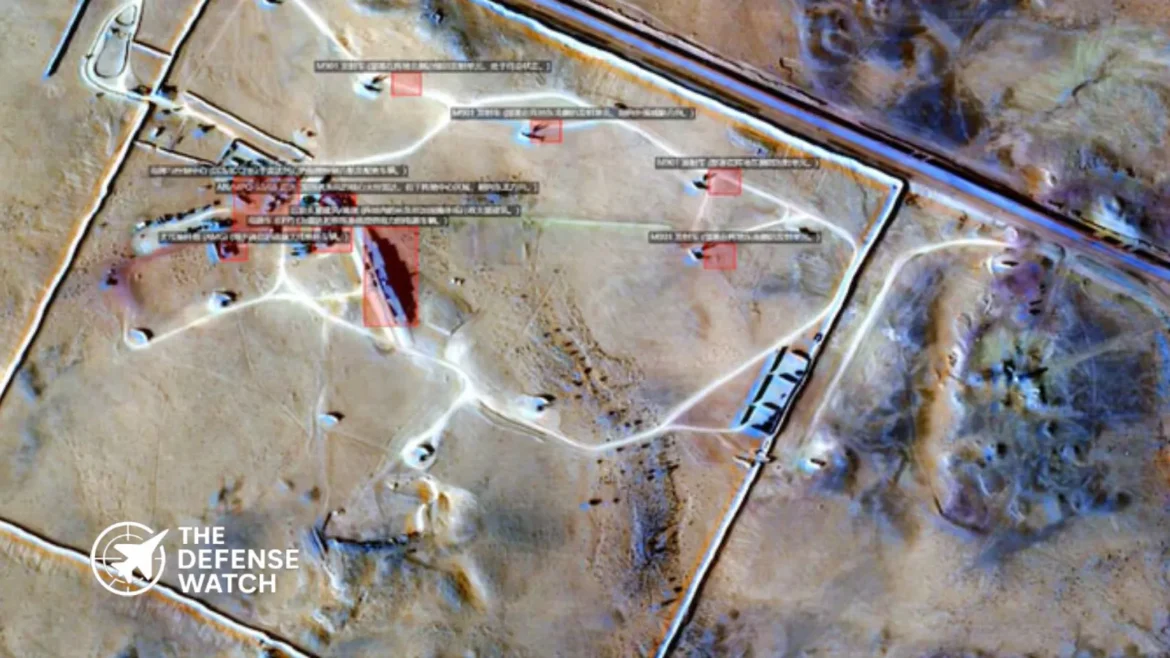
The satellite reportedly captured imagery of key U.S. and allied military installations, including air bases, logistics hubs, and naval facilities. Among the locations monitored were Prince Sultan Air Base in Saudi Arabia, Muwaffaq al-Salti Air Base in Jordan, and sites near the U.S. Fifth Fleet headquarters in Bahrain.
Additional surveillance targets included Erbil Air Base in Iraq, Ali Al Salem Air Base in Kuwait, Camp Lemonnier in Djibouti, and Duqm Airfield in Oman. Civilian infrastructure, including ports and energy facilities in the Gulf, was also reportedly observed.
Imagery collection dates cited in the report align with mid-March activity, when Iranian-linked strikes targeted some of these locations.
Precision Gains Over Previous Systems
A key aspect of Iran Chinese spy satellite targeting capability lies in the system’s improved resolution. The TEE-01B satellite reportedly offers imagery resolution of approximately 0.5 meters, a significant upgrade over Iran’s domestically developed Noor-3 satellite, which is estimated at around 5 meters.
This level of detail enables identification of individual aircraft, support equipment, and infrastructure layouts. In operational terms, such precision can support strike planning, battle damage assessment, and pattern-of-life analysis.
From a military standpoint, this represents a shift from broad surveillance to actionable intelligence. It allows Iran to refine targeting cycles, reduce uncertainty, and potentially increase the effectiveness of drone and missile operations.
Integration Into Strike Operations
The report indicates that satellite imagery was collected both before and after attacks, suggesting integration into Iran’s targeting workflow. Pre-strike imagery likely supported target validation and planning, while post-strike imagery enabled damage assessment.
This mirrors operational practices used by advanced militaries, where ISR assets are tightly linked to strike platforms in a continuous feedback loop.
For Iran, which has relied heavily on drones and ballistic missiles, improved ISR could enhance the accuracy and timing of such systems. It also reduces reliance on human intelligence or less reliable reconnaissance methods.
Role Of Chinese Commercial Providers
The satellite and its supporting ground infrastructure were reportedly supplied by Chinese companies Earth Eye Co and Emposat. The deal, valued at approximately $36.6 million, included satellite access, launch services, and data infrastructure.
While such arrangements are often framed as commercial, dual-use capabilities are inherent in high-resolution Earth observation systems. The same imagery used for civilian purposes can support military operations when integrated into targeting networks.
China has denied the allegations, stating that it opposes the spread of unverified information and supports peaceful uses of space technology.
Strategic And Operational Implications
Iran Chinese spy satellite targeting highlights a broader trend in modern warfare, where access to space-based ISR is no longer limited to major powers. Commercial satellites and international partnerships are enabling regional actors to close capability gaps.
For U.S. forces and allies in the Middle East, this development introduces new operational risks. Fixed installations, previously shielded by distance or limited adversary ISR, are now more exposed to persistent surveillance.
This could drive changes in force posture, including increased mobility, deception measures, and hardened infrastructure.
From a strategic perspective, the integration of foreign satellite capabilities into Iran’s military ecosystem reflects deepening technological ties and a shift toward more networked warfare concepts.
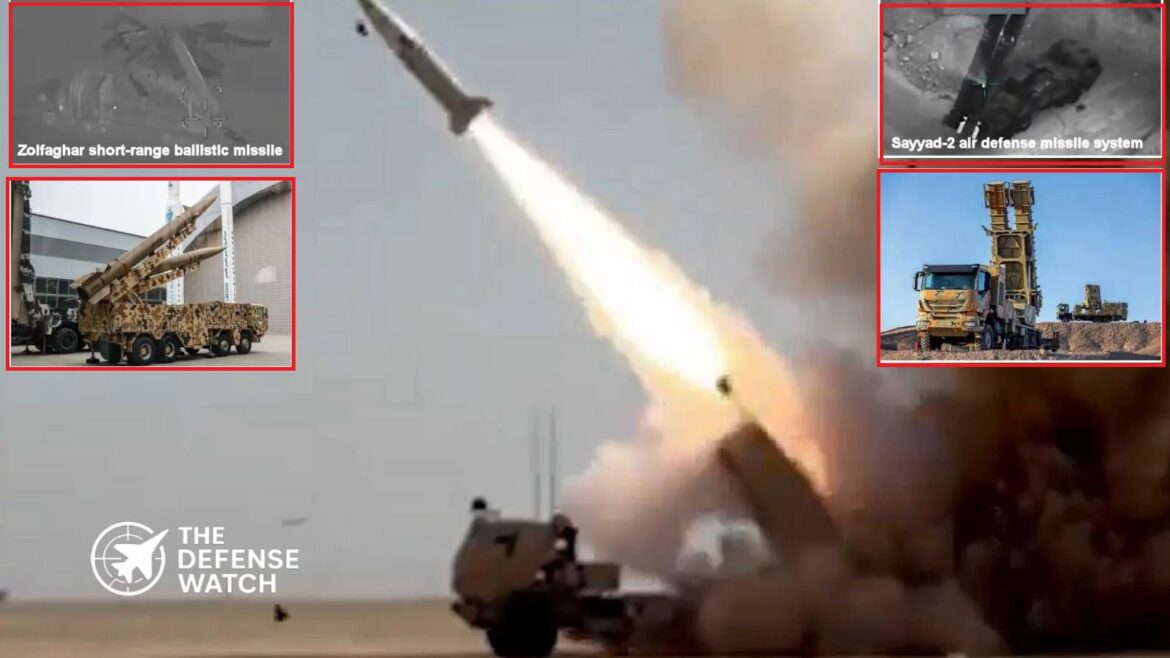
- ► A US ATACMS missile strike reportedly destroyed a Shahed-129 drone and a Sayyad-2 air defense system.
- ► The Shahed-129 is a medium altitude long endurance UAV used for surveillance and strike missions.
- ► The Sayyad-2 is part of Iran’s medium range surface to air missile architecture.
- ► ATACMS provides deep strike capability beyond 300 kilometers depending on variant.
- ► The strike highlights the vulnerability of fixed air defense nodes to precision guided ballistic missiles.
US ATACMS Missile Strike Destroys Iran Shahed-129 Drone And Sayyad-2 Air Defense System
The US ATACMS missile strike destroyed an Iranian Shahed-129 drone and a Sayyad-2 air defense system, according to a reports. The strike reportedly targeted high value Iranian unmanned and surface to air missile assets amid heightened regional tensions.
The report states that a US Army Tactical Missile System, known as ATACMS, was used to engage and eliminate both systems in a precision strike. If confirmed, the engagement marks a significant operational use of long range ground launched munitions against layered air defense infrastructure.
What Was Targeted
The Shahed-129 is one of Iran’s most capable unmanned aerial vehicles. Developed by Iran’s defense industry, it is designed for intelligence, surveillance, reconnaissance, and limited strike missions. The drone has been widely assessed by defense analysts as comparable in role to the US MQ-1 Predator class, though with different avionics and payload configurations.
The Sayyad-2 missile forms part of Iran’s indigenous surface to air missile network. It is associated with medium range air defense systems intended to counter aircraft, cruise missiles, and unmanned systems. Open source defense analysis has linked the missile to variants deployed within the Talash and other Iranian air defense batteries.
A US ATACMS missile strike against both a UAV platform and an air defense launcher suggests deliberate targeting of surveillance and protective layers within a broader network.
ATACMS Capability In Focus
The US ATACMS missile strike underscores the operational value of the Army Tactical Missile System. Developed by Lockheed Martin, ATACMS is a solid fueled, surface to surface ballistic missile launched from the M270 MLRS or HIMARS platforms.
Depending on the variant, ATACMS can reach ranges exceeding 300 kilometers. Its guidance system combines inertial navigation with GPS updates, enabling precision strikes against fixed and semi fixed targets.
In recent conflicts, ATACMS has been used to target airfields, logistics depots, and air defense assets. A strike against a Sayyad-2 battery aligns with established doctrine, which prioritizes suppression and destruction of enemy air defenses before expanding air or missile operations.
From an operational standpoint, destroying a medium range air defense system reduces coverage gaps and complicates adversary attempts to contest airspace.
Strategic Implications For Iran’s Air Defense Network
Iran’s air defense architecture is layered, combining legacy systems, domestically produced missiles, and limited imported technologies. The Sayyad series represents an effort to modernize that network with improved range and engagement capability.
If the reported US ATACMS missile strike eliminated an operational Sayyad-2 unit, it would signal that even medium range batteries are vulnerable to precision ballistic threats.
This carries broader implications.
Fixed radar and launcher sites are inherently exposed once detected. Ballistic missile trajectories reduce reaction time for defenders. Unless supported by mobile relocation, camouflage, and hardened shelters, such systems can be neutralized early in a campaign.
At the same time, the loss of a Shahed-129 drone reduces Iran’s ability to conduct persistent surveillance. UAVs often provide targeting data for missile and artillery units. Removing that asset affects situational awareness.
Operational Lessons
Several lessons emerge from the reported US ATACMS missile strike.
First, deep strike systems remain central to modern conflict. Ground launched ballistic missiles allow engagement without exposing aircraft to contested airspace.
Second, unmanned systems and air defense nodes are priority targets. Disrupting ISR and missile shields can shape the operational environment quickly.
Third, survivability depends on mobility. Static systems face growing risks from precision guided munitions.
These dynamics have been observed in multiple theaters in recent years. Western military doctrine increasingly emphasizes long range fires as a decisive tool in high intensity conflict.
What Comes Next
While the report from Army Recognition details the destruction of the Shahed-129 and Sayyad-2 system, independent confirmation from US or Iranian official sources has not been publicly released at the time of writing.
Defense analysts will closely monitor satellite imagery and official statements for further validation. The incident may also influence procurement decisions across the region, particularly regarding counter ballistic missile defenses and hardened infrastructure.
For now, the US ATACMS missile strike serves as a case study in the effectiveness of precision long range fires against integrated air defense components.
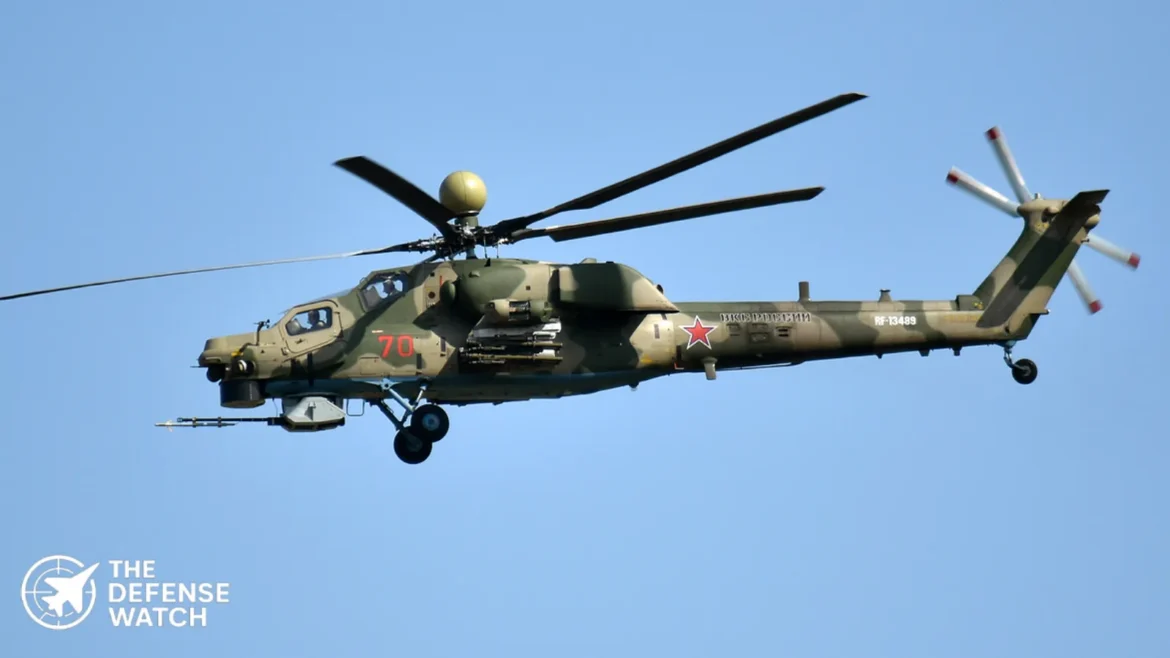
Iran Receives First Russian Mi‑28NE Attack Helicopter
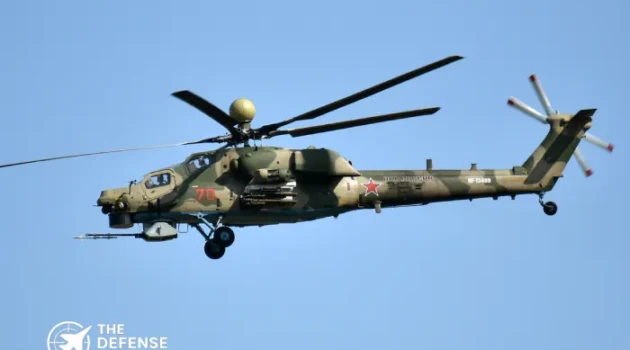
Iran has begun receiving Russian‑built Mi‑28NE Havoc attack helicopters, with the first example confirmed in a Tehran facility, marking the start of deliveries under a long‑planned procurement agreement.
(adsbygoogle = window.adsbygoogle || []).push({});Delivery Confirmation and Visual Evidence
Photographs and open‑source intelligence show a Russian Mi‑28NE attack helicopter in a hangar at the Pars Aerospace Services Company facility in Tehran. The aircraft appears in a desert‑style digital camouflage and was likely transported in a partially disassembled state aboard heavy transport aircraft such as Il‑76s.
Multiple sources and imagery emerging in late January and early February 2026 confirm that Russia has begun operationally delivering at least one Mi‑28NE to Iran.
Background on the Procurement Deal
The acquisition stems from a broader Iranian defense procurement initiative announced in November 2023. Iranian Deputy Defense Minister Brigadier General Mahdi Farahi publicly stated that plans were finalized to introduce Russian Su‑35 fighters, Mil Mi‑28 attack helicopters, and Yak‑130 jet trainers into Iranian army aviation units.
Reports through late 2025 indicated a buildup of Russian Il‑76 heavy transport flights into Iran, widely interpreted by defense analysts as part of the logistics operation for helicopter delivery and related support equipment.
Mi‑28NE Capabilities and Role
The Mi‑28NE is the export variant of Russia’s Mi‑28 attack helicopter, sometimes referred to by its NATO reporting name Havoc. It is a two‑seat, dedicated attack rotorcraft designed for engaging armored targets, personnel, and low‑flying aircraft in all‑weather, day or night operations.
Key systems include a nose‑mounted 30 mm autocannon, multiple hardpoints for guided air‑to‑ground missiles such as the Ataka family, and capacity for rockets and defensive countermeasures. Its armored cockpit and advanced avionics support survival and mission effectiveness in contested environments.
(adsbygoogle = window.adsbygoogle || []).push({});For Iran, fielding the Mi‑28NE represents a significant upgrade from legacy Vietnam‑era AH‑1J Cobras, which remain the core of its helicopter gunship fleet but have suffered attrition and aging systems issues in recent years.
Strategic Context
The initial delivery occurs amid heightened regional security tensions and sustained pressure from the United States and allied partners. The first Mi‑28NE units are currently in inspection and acceptance phases rather than full operational deployment, though the presence of this modern attack helicopter signals a tangible expansion of Iranian army aviation capabilities.
Iran’s acquisition of advanced Russian platforms like the Mi‑28NE forms part of a broader pattern of deepening defense ties with Moscow, reflecting Tehran’s effort to offset sanctions and outdated indigenous systems with strategic imports.