- ► Open-source data indicates more than 300 U.S. military aircraft have entered or operated within the CENTCOM area of responsibility.
- ► Aircraft types reportedly include fighters, bombers, tankers, ISR platforms, and strategic airlift assets.
- ► The buildup spans multiple regional bases across the Middle East under U.S. Central Command.
- ► The deployment comes amid heightened regional tensions and increased U.S. deterrence messaging.
- ► U.S. defense officials have not publicly detailed the full scope of the air movement.
United States Deploys Over 300 Military Aircraft To CENTCOM In Major Force Posture Shift
The United States deploys over 300 military aircraft to the U.S. Central Command area of responsibility, according to open-source intelligence and flight tracking analysis, signaling a significant adjustment in American force posture across the Middle East.
Open-source monitoring groups and publicly available flight data indicate that more than 300 U.S. military aircraft have been observed operating in or transiting through the CENTCOM theater in recent weeks. The deployments reportedly include fighter jets, bombers, aerial refueling tankers, surveillance aircraft, and strategic airlift platforms.
The scale of the movement suggests one of the largest recent concentrations of U.S. airpower in the region.
Scope Of The Deployment
The reported surge affects the area overseen by U.S. Central Command, which covers the Middle East, parts of Central Asia, and surrounding waters. The CENTCOM theater includes key U.S. operating hubs such as Al Udeid Air Base in Qatar, Al Dhafra Air Base in the United Arab Emirates, and Naval Support Activity Bahrain.
While the Pentagon has not publicly confirmed the precise number of aircraft involved, flight tracking data and logistics patterns suggest sustained movement of combat and support assets into the region.
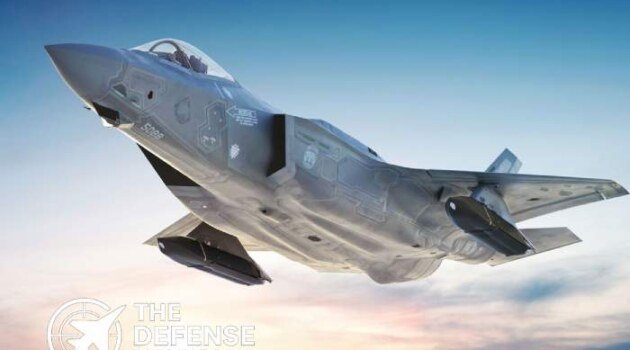
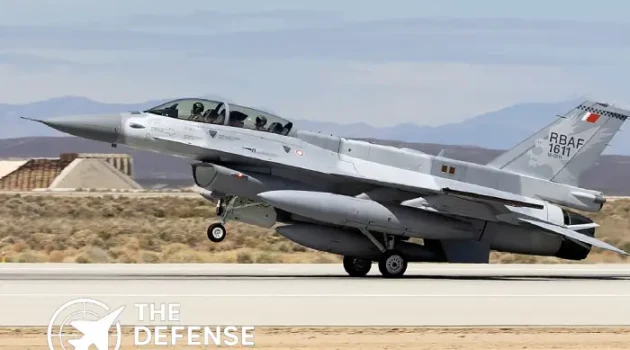
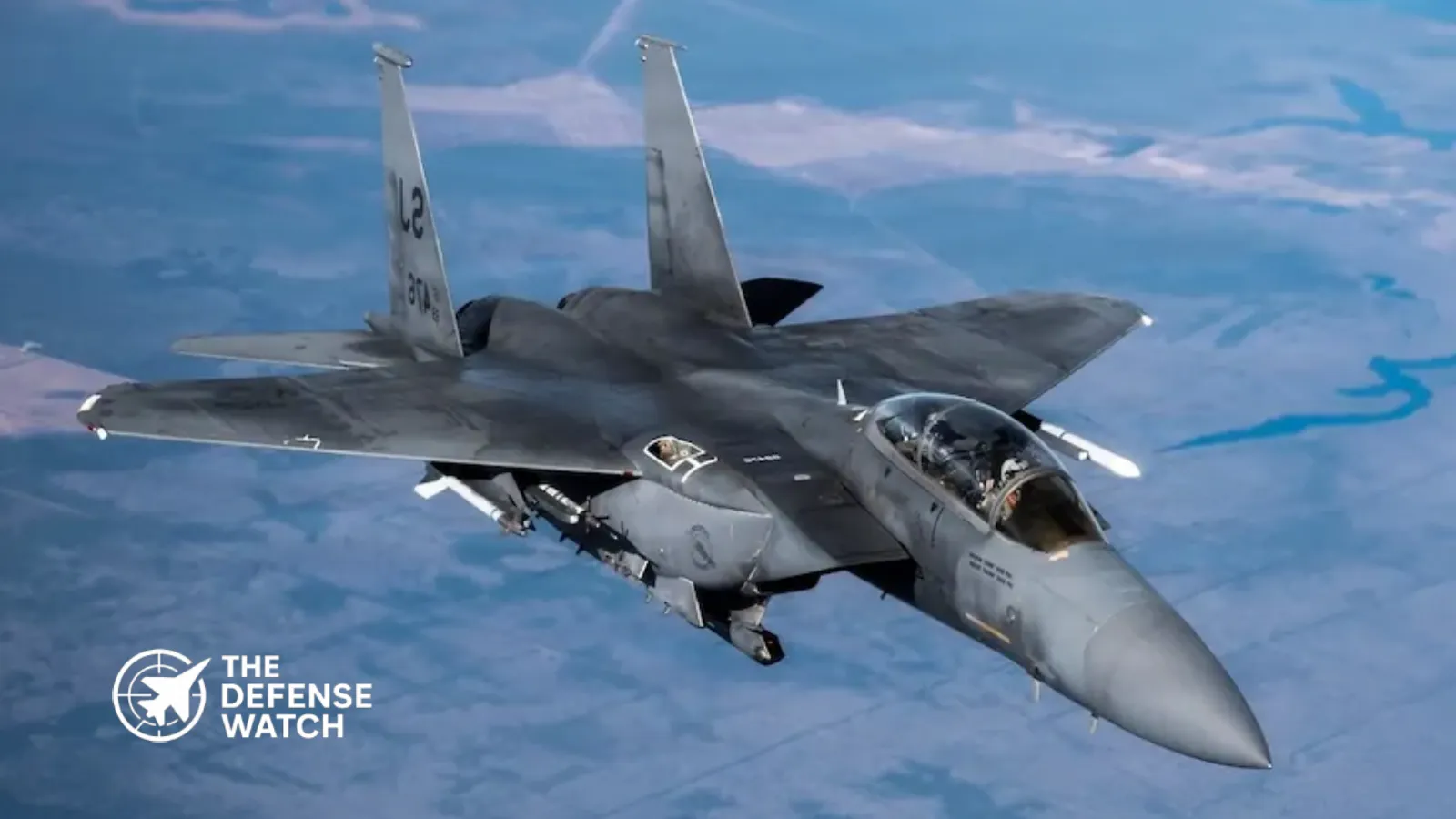
Aircraft reportedly observed include advanced fighters such as the F-22 Raptor and F-35 Lightning II, along with legacy platforms like the F-15E Strike Eagle. Strategic bombers including the B-52 Stratofortress have also rotated through the region in recent months under bomber task force missions.
Supporting aircraft, including the KC-135 Stratotanker and KC-46 Pegasus, are critical to sustaining high sortie rates across extended distances.
Deterrence And Signaling
The decision as open sources indicate the United States deploys over 300 military aircraft reflects a broader U.S. strategy of visible deterrence. In recent years, Washington has relied on rotational bomber task forces, fighter deployments, and carrier strike groups to reassure regional partners and signal resolve.
CENTCOM Commander General Michael Kurilla has previously stated that integrated air and missile defense remains a core priority in the region, particularly amid drone and missile proliferation among state and non-state actors.
A surge of this size increases flexibility. It allows rapid response to crises, strengthens air defense coverage, and enhances strike capacity if required.
Operational Implications
From an operational perspective, a concentration exceeding 300 aircraft provides layered capability.
Fifth generation fighters enhance air superiority and suppression of enemy air defenses. Tankers extend reach and endurance. Intelligence, surveillance, and reconnaissance platforms improve situational awareness across contested airspace.
Such a buildup also supports joint operations with regional allies. CENTCOM routinely conducts multinational exercises focused on air defense integration, maritime security, and counter drone operations.
However, sustaining large air packages requires significant logistical throughput. Fuel, maintenance crews, spare parts, and base infrastructure must scale accordingly. The presence of strategic airlift aircraft suggests ongoing sustainment rather than a short term surge.
Strategic Context
The Middle East remains a complex operating environment. Iran’s missile and drone capabilities, ongoing instability in parts of Iraq and Syria, and maritime security challenges in the Red Sea and Gulf all shape U.S. force posture decisions.
Recent Pentagon statements have emphasized force protection and deterrence without committing to permanent increases. Historically, the United States has adjusted air deployments in CENTCOM in response to crisis cycles, then reduced presence once tensions ease.
If confirmed at scale, the fact that the United States deploys over 300 military aircraft could represent a temporary peak rather than a long term structural shift. Much will depend on evolving security dynamics and diplomatic engagement across the region.
What To Watch
Analysts will monitor several indicators in the coming weeks:
- Additional bomber task force rotations
- Increased aerial refueling activity
- Expanded joint exercises with Gulf partners
- Public statements from the Department of Defense
Open-source intelligence has become a key tool in tracking modern military deployments. Commercial satellite imagery and ADS-B flight tracking now provide near real time visibility into force movements that once remained opaque.
Get real time update about this post category directly on your device, subscribe now.