
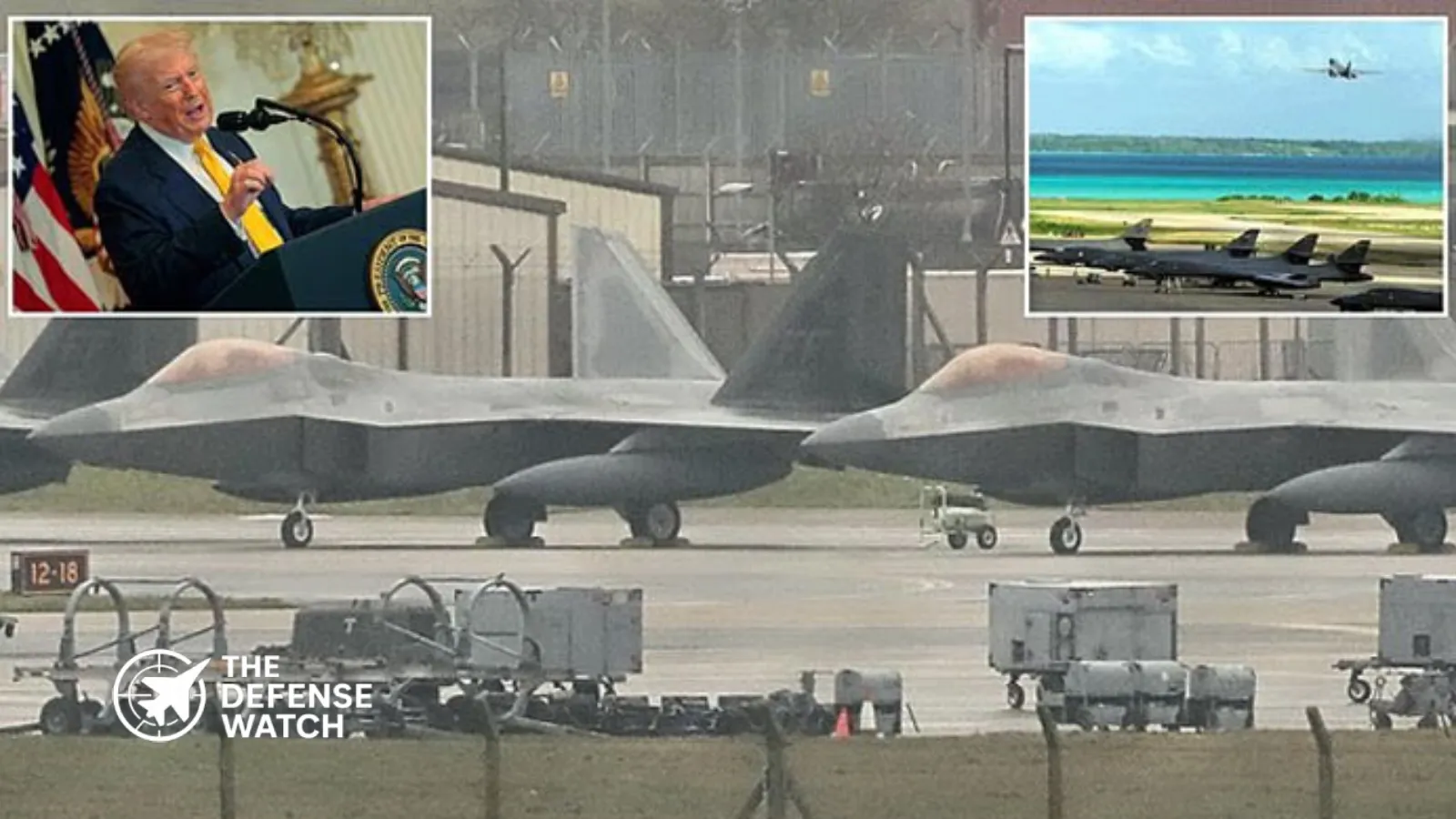
- ► The United Kingdom declined U.S. requests to use British military bases for potential strikes on Iran.
- ► Bases affected include RAF Fairford in Gloucestershire and the joint UK-U.S. base on Diego Garcia.
- ► London cited legal concerns over participation in a strike without clear international mandate.
- ► President Donald Trump criticized the decision, linking it to broader defense cooperation issues.
- ► The move highlights growing legal and diplomatic limits within allied military planning.
UK Restricts U.S. Use Of Bases In Iran Context
The United Kingdom has refused to approve access for United States forces to use British military bases for potential air operations against Iran, according to multiple reports. That includes RAF Fairford in Gloucestershire, a key hub for U.S. heavy bombers in Europe, and the joint UK-U.S. facility on Diego Garcia in the Indian Ocean.
British government officials, speaking on condition of anonymity to press outlets, said London is withholding consent on legal grounds. They cited concern that participation in a pre-emptive strike without a clear international legal mandate could expose the UK to liability under international law. Under British policy, states that knowingly assist in operations later judged unlawful may share responsibility for those actions.
Diplomatic Fallout Between London And Washington
The denial has prompted public criticism from U.S. President Donald Trump, who has taken to social media and press statements to link his opposition to Britain’s decision with broader disputes over defence arrangements. That includes recent British proposals to transfer sovereignty of the Chagos Islands, which host the joint base at Diego Garcia, to Mauritius under a long-term leaseback agreement. Trump called the decision a strategic error, stating continued access may be needed to counter threats from Tehran.
The interplay between this base access issue and the Chagos deal reflects deeper frictions between allied strategic priorities and legal constraints. Washington sees Diego Garcia and RAF Fairford as critical assets for long-range operations, including contingency planning related to Iran’s nuclear program and potential escalation scenarios.
Strategic And Legal Considerations
RAF Fairford in south-west England has been a central node for U.S. heavy bombers including B-52 and strategic airlift operations in past Middle East campaigns. Diego Garcia’s geographic position in the Indian Ocean gives long-range aircraft operational reach across the Middle East without staging through intermediate bases.
However, reciprocal defence cooperation agreements generally require host-nation approval for wartime use of facilities. In this case the UK’s position appears rooted in legal advice that direct support for a U.S. offensive lacking a clear UN mandate could stretch international law norms.
Regional Context: Iran And U.S. Pressure
Tensions between the United States and Iran have been intensifying in recent weeks amid stalled talks over Tehran’s nuclear program and warnings from Washington of potential consequences. U.S. officials have extended deadlines and signalled an increase in military readiness in the region, including deployments of additional naval and air assets.
Iran continues to seek diplomatic avenues to defuse the situation, but hard-line rhetoric and reciprocal warnings have kept pressure high on Western capitals weighing their next moves. Military access disputes between allies add complexity to an already tense strategic picture in and around the Middle East.
What This Means For Defence Relations
The UK’s decision marks a notable instance in which a long-time military partner has constrained U.S. operational options. Analysts say it underscores the growing role that legal and diplomatic considerations play in coalition planning, even as geopolitical threats persist. Continued dialogue between London and Washington is expected as both governments balance alliance commitments with legal obligations and domestic political considerations.
Get real time update about this post category directly on your device, subscribe now.
