
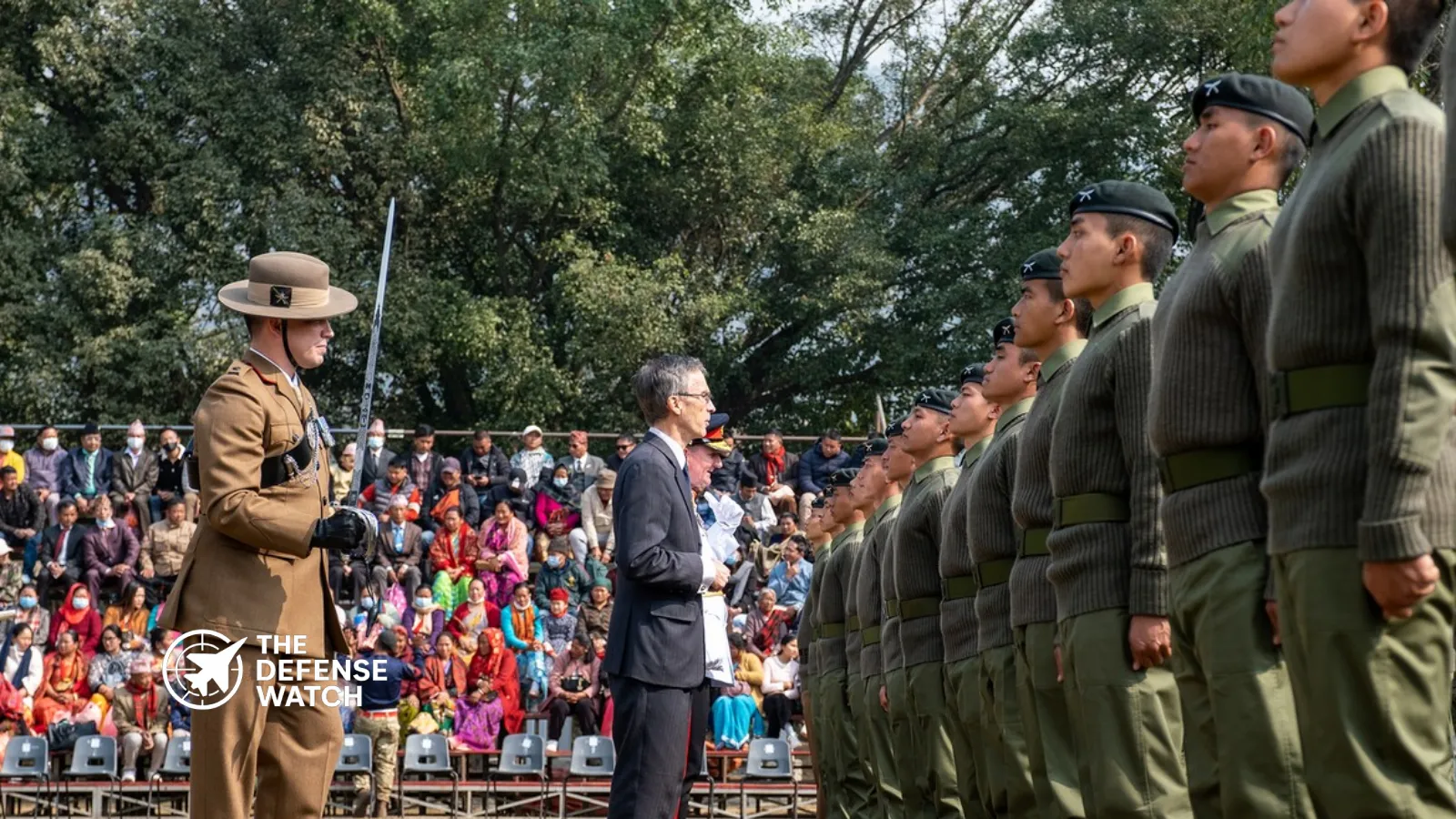
The UK Ministry of Defence (MoD) says pensions for Gurkha veterans already match those of British Army troops, pushing back on renewed calls for pension parity for older veterans. The statement comes amid campaigning by Gurkha groups and recent questions from UK lawmakers about equal treatment.
MoD Statement on Pension Alignment
In written answers published February 5, Defence Minister Louise Sandher-Jones told Parliament that the government has no new plans to change Gurkha pensions. She said Gurkhas serving since 2007 now receive pensions under the Armed Forces Pension Scheme (AFPS), the same as other UK Armed Forces personnel. For those who served prior to 2007, she added that the older Gurkha Pension Scheme (GPS) delivers outcomes “at least as good, and in many cases better” than British counterparts with the same service length.
The minister also noted ongoing engagement with Gurkha representative bodies and the Government of Nepal on a range of veteran issues.
Background on Gurkha Pension Schemes
Historically, Gurkhas served under the GPS, a scheme tied to their service conditions and retirement in Nepal. Under GPS, Gurkhas normally qualify for an immediate pension after 15 years of service. In contrast the AFPS generally requires 22 years of service for an immediate pension. This means many Gurkhas begin receiving pension payments earlier than British soldiers.
The GPS was closed in 2007 when Gurkhas were fully integrated into the AFPS framework following their basing in the United Kingdom. Those serving from that point onward can choose AFPS benefits like other UK servicemembers.
Debate on Parity and Pre-1997 Service
Campaigners have long argued that Gurkha veterans who retired before GPS integration do not receive pensions equivalent in real value to those of British Army peers. Older campaigns highlighted large gaps in payouts for those who retired before major reforms in the late 1990s, when GPS remained tied to costs of living in Nepal and Indian Army pay codes.
The MoD position rejects the idea that the scheme is unequal for most Gurkhas, pointing to the structure of earlier GPS benefits and comparisons that often show Gurkha pensions starting sooner and delivering equivalent lifetime value.
Legal and Political Context
There have been legal challenges over alleged discrimination against Gurkha pensioners, but British and European courts have repeatedly upheld MoD policy. A European human rights court in 2016 found differential treatment was objectively justified in the context of historic schemes.
In UK politics, MPs have questioned why the government will not align pre-1997 Gurkha pensions with standard British Army rates, eliciting recent ministerial responses but no commitment to change.
Wider Veteran Support
In addition to pension arrangements, the UK government has invested in enhanced support for Gurkha veterans, including pension increases and medical support investments in Nepal announced in 2019. These moves aimed to improve financial and healthcare outcomes for retired Gurkhas and families.
What Comes Next
At present there is no indication of new UK policy to adjust Gurkha pensions further. Advocacy groups for Gurkha veterans continue to press for changes, but the Ministry of Defence maintains that existing schemes provide fair treatment for most Gurkha pensioners.
Get real time update about this post category directly on your device, subscribe now.
