
The Shift: U.S. Eyes Land-Based Crackdown on Venezuelan Drug Trafficking
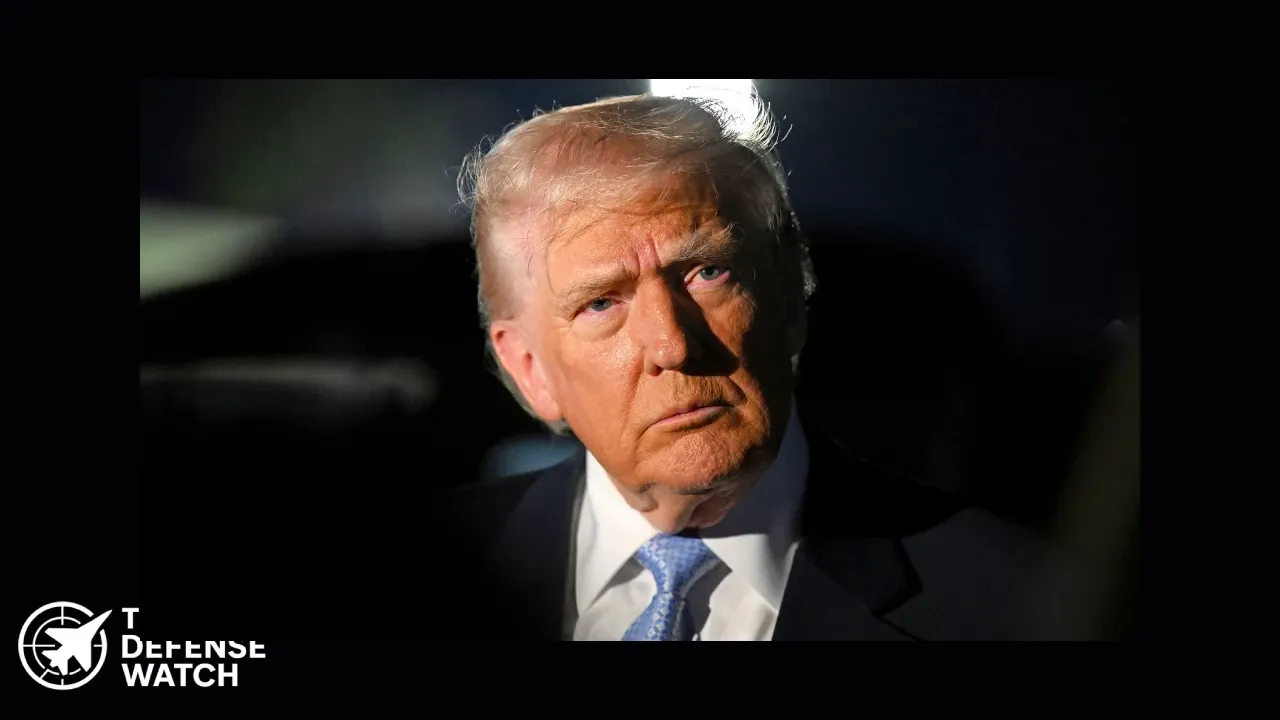
In a video address to U.S. service members on November 27, 2025, U.S. President Donald J. Trump announced that the United States will “very soon” begin targeting suspected Venezuelan drug traffickers on land. The announcement signals an expansion of the administration’s ongoing anti-narcotics campaign, which until now has largely focused on maritime interdictions in the Caribbean and eastern Pacific.
Trump stated that his administration has nearly eliminated sea-based traffic — estimating that about “85 percent” of maritime drug routes have been halted — and said land interdiction would be “easier” and would begin “very soon.”
Background: From Boat Strikes to Potential Ground Operation
Since early September 2025, the U.S. military has conducted more than 20 known strikes against vessels the administration claims were transporting illicit narcotics linked to Venezuelan-based networks. Those strikes reportedly resulted in at least 83 fatalities.
These maritime operations accompany broader measures: the deployment of a major naval force to the Caribbean including an aircraft carrier strike group, and the formal designation of Cartel de los S oles — a network alleged to be run by senior figures in the Venezuelan security apparatus — as a foreign terrorist organization.
The U.S. justification rests on claims that the cartel and associated groups traffic large quantities of cocaine and other illicit drugs into the United States, contributing to overdose deaths and fueling domestic drug epidemics.
What Did Trump Say — And Why It Matters
During the Thanksgiving-day call, President Trump praised the efforts of the U.S. Air Force’s 7th Bomb Wing and other forces involved in the maritime campaign. He emphasized that the sea lanes were now largely sealed and that land routes would be the next focus.
“Of course, there aren’t too many coming in by sea anymore … and we’ll be starting to stop them by land also.” Al
The president’s remarks suggest a readiness to broaden the scope of U.S. operations — potentially involving land-based interdictions or other kinetic actions inside or near Venezuelan territory. So far, however, no details have been released on timing, scale, or legal authorities for such actions.
Legal and Geopolitical Complications
Critics have argued that the prior boat strikes — under a framework treating cartel groups as part of a “non-international armed conflict” — already raised serious legal and human rights questions.
Moreover, there is debate over whether Venezuelan territory constitutes a legitimate target under U.S. military rules of engagement, and whether such operations would violate principles of sovereignty, international law, and due process.
From Caracas, the government of Nicolás Maduro has strongly rejected the U.S. narrative. Officials have denounced the designation of Cartel de los Soles as terrorism, calling it a “fabricated narrative” aimed at justifying broader intervention and pushing for regime change.
Some analysts warn that shifting to land-based operations — especially without transparent evidence linking targets to trafficking — risks deepening regional instability, provoking stronger backlash, and undermining legal norms.
What’s Next: Unclear Timeline and High Stakes
As of now, the U.S. has not provided details on where, when, or how the new land-based operations will be conducted. Whether these will involve covert intelligence operations, cross-border raids, or broader military incursions remains uncertain.
Still, with high-profile designations, increased naval presence in the Caribbean, and a strong political push, the potential for a major escalation in the U.S.-Venezuela standoff is real.
For defense observers and policymakers, the world will be watching closely — both for any signs of actual deployment, and for how regional partners react to U.S. military actions potentially conducted on foreign soil.
Get real time update about this post category directly on your device, subscribe now.

1 comment
[…] change from past bills, lawmakers added a measure to compel release of full, unedited footage of U.S. military strikes against alleged drug smuggling boats near Venezuela. That provision would withhold 25 percent of the travel budget for Defense Secretary Pete Hegseth […]