U.S Army Black Hawk Night Air Assault Drills With South Korea
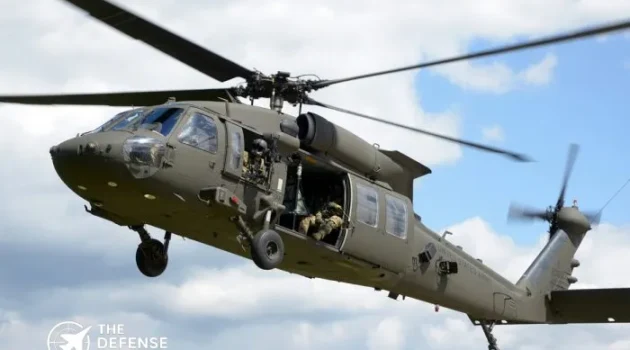
U.S Army Black Hawk helicopter crews conducted combined day and night air assault drills with South Korean forces near Seoul on February 5, 2026, reinforcing alliance readiness on the Korean Peninsula and advancing interoperability between partner aviation units.
Exercise Details and Operational Context
U.S Army aviation crews from the 2nd Combat Aviation Brigade, including elements of the 2nd Battalion, 2nd Aviation Regiment, carried out combined air assault training with Republic of Korea Army units and special operations partners at Sungnam (Seoul Air Base). The training focused on rapid force movement into confined landing zones in both daylight and darkness.
Night air assault training challenges crews to navigate complex terrain and maintain disciplined formation flying while avoiding known threats. Crews practiced route planning, terrain masking, and coordinated landings under simulated operational conditions that reflect the threat environment on the Korean Peninsula.
Black Hawk Capabilities in Combined Air Assaults
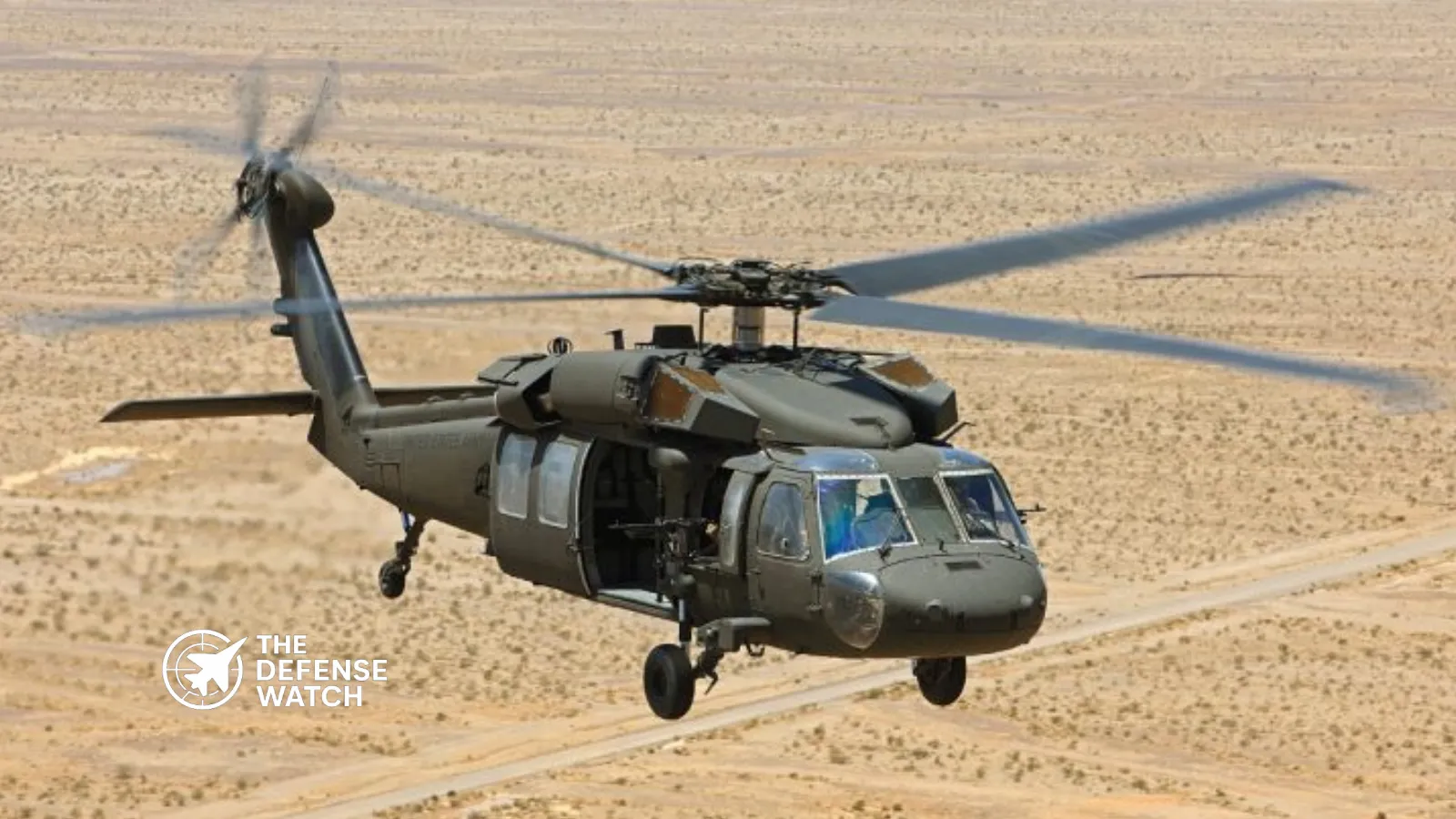
The UH-60 Black Hawk remains a core assault utility helicopter for the U.S Army. In the Republic of Korea, units operate the modern UH-60M variant, equipped with upgraded avionics and propulsion that improve performance in demanding conditions. The aircraft can transport an infantry squad plus crew, carry cargo internally or on external slings, and mount door-defensive weapons as needed.
Black Hawks provide flexible lift for rapid troop insertions, casualty evacuation, resupply, and command sustainment tasks. Night operations bring added complexity, requiring crews to integrate night vision and precision navigation systems while maintaining mission tempo.
Alliance Integration and Strategic Importance
The 2nd Infantry Division/ROK-U.S Combined Division is the U.S Army’s forward-deployed division on the peninsula. The combined division structure pairs U.S and Republic of Korea Army units at the tactical level to improve interoperability and minimize friction in joint operations. Regular combined training like this night air assault exercise helps align procedures, communication standards, and mission command across allied forces.
Joint aviation training also tests allied ability to coordinate planning, ensure compatible communication systems, and synchronize movement into contested environments. These skills are vital for deterrence and, if necessary, defense against aggression.
Broader Context of U.S-ROK Military Drills
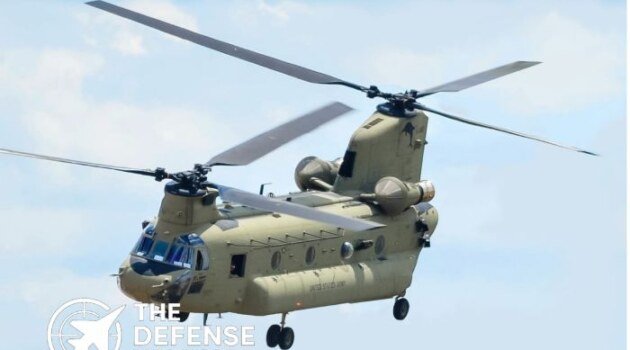
Combined air assault and aviation exercises are part of ongoing efforts by U.S and South Korean forces to enhance readiness. Previous joint drills have included large-scale air assaults involving CH-47 Chinooks, Apache attack helicopters, and transport aircraft, and combined arms operations with ground and air units to strengthen joint performance and response capabilities.
What Comes Next
Allied forces on the peninsula continue a high tempo of combined training across domains. Aviation drills like this night air assault build operational confidence and demonstrate the ability to move forces rapidly under challenging conditions. These rehearsals form a key part of readiness posture as allied militaries work to integrate tactics and sustain capabilities in the face of regional security challenges.
Get real time update about this post category directly on your device, subscribe now.