U.S Army Black Hawk Night Air Assault Drills With South Korea
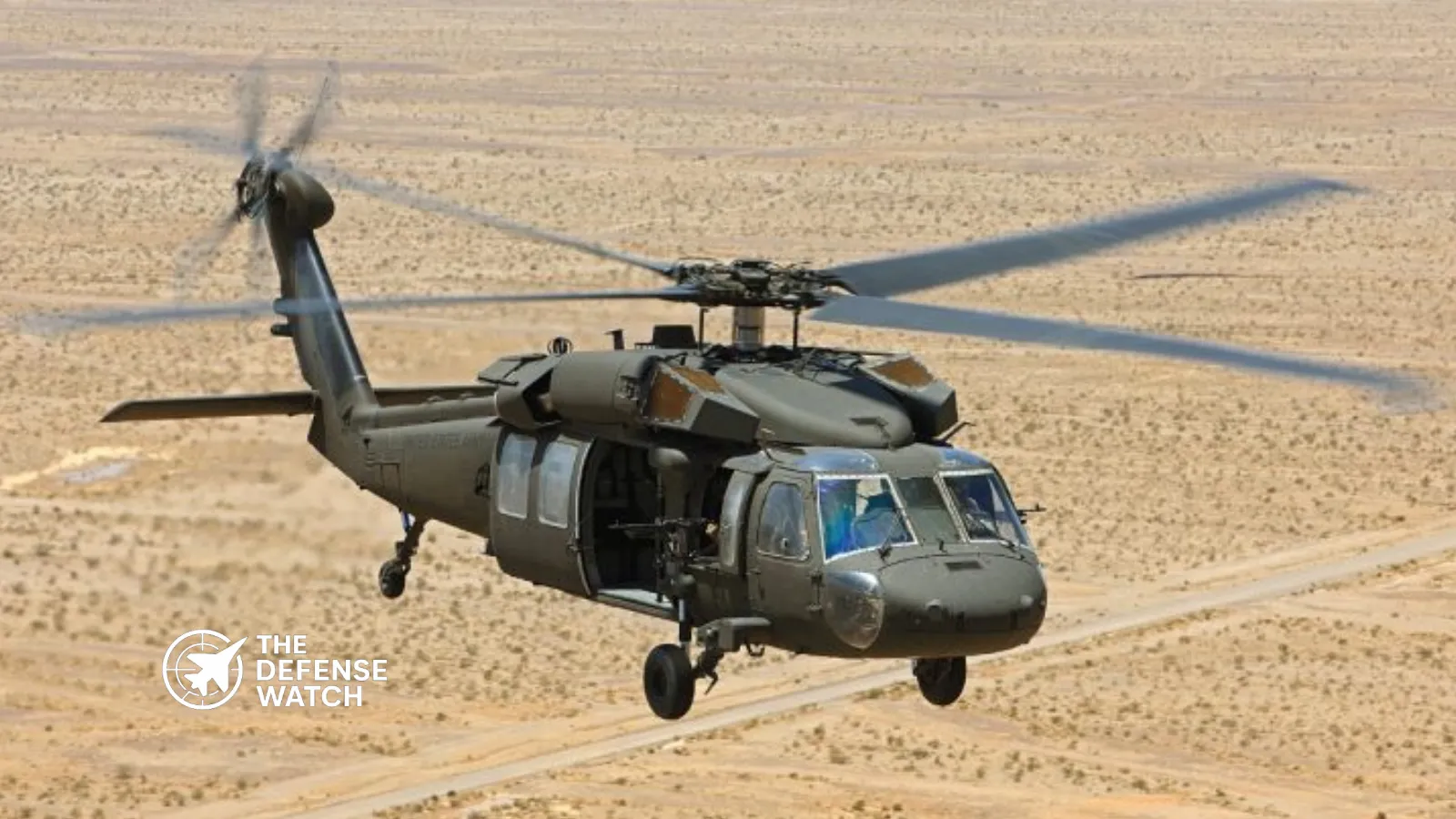
U.S Army Black Hawk helicopter crews conducted combined day and night air assault drills with South Korean forces near Seoul on February 5, 2026, reinforcing alliance readiness on the Korean Peninsula and advancing interoperability between partner aviation units.
Exercise Details and Operational Context
U.S Army aviation crews from the 2nd Combat Aviation Brigade, including elements of the 2nd Battalion, 2nd Aviation Regiment, carried out combined air assault training with Republic of Korea Army units and special operations partners at Sungnam (Seoul Air Base). The training focused on rapid force movement into confined landing zones in both daylight and darkness.
Night air assault training challenges crews to navigate complex terrain and maintain disciplined formation flying while avoiding known threats. Crews practiced route planning, terrain masking, and coordinated landings under simulated operational conditions that reflect the threat environment on the Korean Peninsula.
Black Hawk Capabilities in Combined Air Assaults
The UH-60 Black Hawk remains a core assault utility helicopter for the U.S Army. In the Republic of Korea, units operate the modern UH-60M variant, equipped with upgraded avionics and propulsion that improve performance in demanding conditions. The aircraft can transport an infantry squad plus crew, carry cargo internally or on external slings, and mount door-defensive weapons as needed.
Black Hawks provide flexible lift for rapid troop insertions, casualty evacuation, resupply, and command sustainment tasks. Night operations bring added complexity, requiring crews to integrate night vision and precision navigation systems while maintaining mission tempo.
Alliance Integration and Strategic Importance
The 2nd Infantry Division/ROK-U.S Combined Division is the U.S Army’s forward-deployed division on the peninsula. The combined division structure pairs U.S and Republic of Korea Army units at the tactical level to improve interoperability and minimize friction in joint operations. Regular combined training like this night air assault exercise helps align procedures, communication standards, and mission command across allied forces.
Joint aviation training also tests allied ability to coordinate planning, ensure compatible communication systems, and synchronize movement into contested environments. These skills are vital for deterrence and, if necessary, defense against aggression.
Broader Context of U.S-ROK Military Drills
Combined air assault and aviation exercises are part of ongoing efforts by U.S and South Korean forces to enhance readiness. Previous joint drills have included large-scale air assaults involving CH-47 Chinooks, Apache attack helicopters, and transport aircraft, and combined arms operations with ground and air units to strengthen joint performance and response capabilities.
What Comes Next
Allied forces on the peninsula continue a high tempo of combined training across domains. Aviation drills like this night air assault build operational confidence and demonstrate the ability to move forces rapidly under challenging conditions. These rehearsals form a key part of readiness posture as allied militaries work to integrate tactics and sustain capabilities in the face of regional security challenges.
The US Army has launched a major effort to extend the service life of its UH-60M Black Hawk helicopters well beyond 2050, issuing a Request for Information to industry for overhaul and sustainment strategies. The move, announced in mid-December 2025 by the Army’s Capability Program Executive Aviation through the Utility Helicopters Project Office, sets the stage for long-term support of the service’s core utility rotorcraft.
Army Seeks Long-Term Overhaul and Sustainment Solutions
The RFI asks companies to propose options to establish a commercial production line capable of overhauling and upgrading the Army’s UH-60M fleet, which includes more than 2,300 aircraft. The intention is to sustain readiness and allow the helicopters to remain operational past the mid-century mark.

The request focuses on partnerships that can deliver predictable overhaul throughput, manage costs and schedule risks, and integrate modernization work at scale. While it does not commit the Army to specific contracts, it lays groundwork for future acquisition actions.
Modernization Priorities and Industrial Base Assessment
Officials writing in the RFI document emphasize that keeping the Black Hawk fleet viable into the 2050s will require stable industrial support and new capabilities. The Army is exploring how autonomy, artificial intelligence integration, and launched effects could be introduced alongside traditional overhaul tasks without undermining aircraft availability.
The overhaul plan also seeks industry feedback on how best to structure sustainment operations, including repairs of major assemblies and components, while building sufficient capacity to maintain high fleet readiness. Potential expansion to support other services and foreign users of UH-60 variants is part of the Army’s long-range view.
Background on the UH-60M Black Hawk
The UH-60M entered service in 2006 and remains the cornerstone of Army Aviation. It has logged millions of flight hours in combat, logistics, medevac, and domestic support missions. Designed as a multi-role utility helicopter, the Black Hawk can carry troops, cargo, and external loads across a range of environments.
Outlook and Next Steps
With the RFI now public, the Army will review industry responses to inform future sustainment and modernization contracting. The expanded overhaul strategy reflects the continued importance of the UH-60M alongside the Army’s longer-term vertical lift plans, which include newer platforms under development.


