
Royal Navy Tracks Russian Shadow Tanker Near Gibraltar
The Royal Navy tracks a Russian shadow tanker near Gibraltar as part of monitoring sanctioned vessels and sharing intelligence with allied forces.
British naval units monitored a Russian-linked oil tanker identified as part of Russia’s so-called shadow fleet as it moved through the Strait of Gibraltar, UK officials said. The tracking came ahead of a French navy boarding of the same vessel in the western Mediterranean.
The tanker, named Grinch, has been flagged under sanctions by the United Kingdom and other Western partners and is suspected of moving oil in breach of international measures targeting revenues linked to Russia’s war in Ukraine.
Allied Monitoring and Coordination
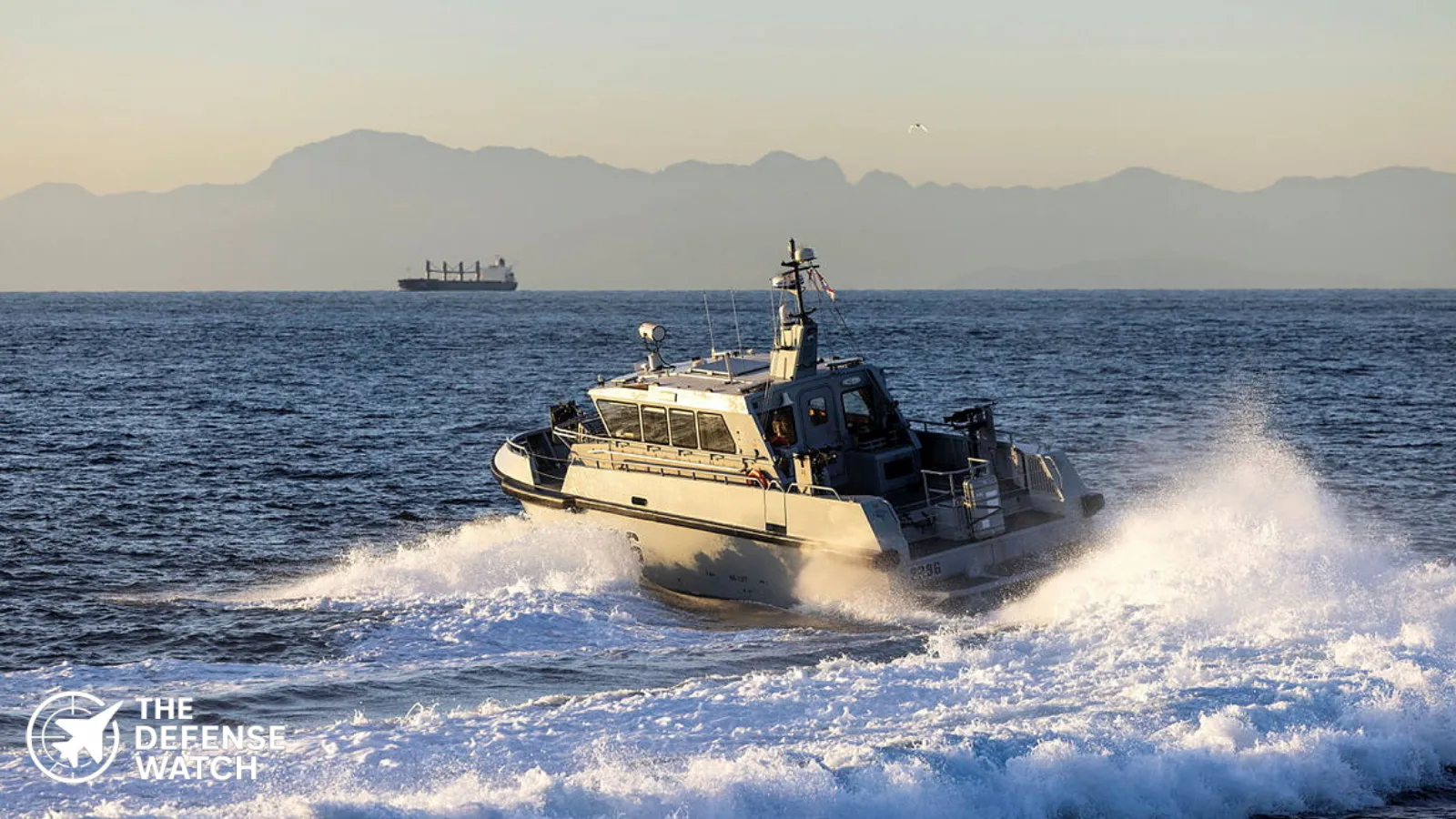
Royal Navy patrol boats, including HMS Dagger, kept visual and sensor contact with the tanker as it transited the strategic maritime gateway between the Atlantic Ocean and the Mediterranean Sea. The monitoring contributed to the operational picture shared with French forces who later intercepted the vessel.
UK Defence Secretary John Healey described operations against shadow fleet tankers as a priority in countering sanctions evasion. He noted the Royal Navy’s routine tracking and reporting on vessels suspected of opaque ownership and frequent reflagging that can obscure sanction status.
French authorities boarded and diverted the Grinch in international waters east of Gibraltar, asserting compliance with the United Nations Convention on the Law of the Sea. French naval helicopters and boarding teams were part of the action, reportedly with support from the UK and other partners.
Strategic Importance of the Strait of Gibraltar
The Strait of Gibraltar remains one of the most significant maritime chokepoints for global shipping and naval operations. Its geography funnels traffic through a narrow corridor, giving monitoring forces clear lines of approach for identifying and tracking high-risk vessels.
Western nations have identified hundreds of tankers, often older and operating with limited regulation, which Moscow and associated entities use to transport oil outside formal markets. These so-called shadow fleets can help Russia maintain export volumes despite extensive sanctions.
Broader Naval Surveillance Activity
The Royal Navy’s tracking near Gibraltar is part of a series of maritime surveillance and monitoring missions involving Russian naval and auxiliary vessels in European waters. In parallel operations, the Royal Navy shadowed Russian warships and tankers transiting the English Channel, often in coordination with NATO allies, highlighting London’s sustained focus on maritime security and sanctions enforcement.
Legal and Diplomatic Dimensions
Interceptions and boardings of suspicious vessels at sea involve complex legal frameworks. Nations conducting these operations cite the UN Convention on the Law of the Sea and domestic sanction regimes to justify actions against vessels believed to be violating international measures. France’s detention of the tanker’s captain is underway as authorities investigate flag authenticity and compliance with navigation documentation.
Operational Takeaways
Royal Navy tracking of the shadow tanker reinforces the UK’s role in allied maritime security and sanctions enforcement against Russia. It also highlights how naval intelligence and patrol assets contribute to broader efforts to disrupt illicit oil shipments. Continued surveillance of sanctioned vessels underscores growing Western cooperation in maritime domains linked to global security and economic pressure on Russia.
Get real time update about this post category directly on your device, subscribe now.
