
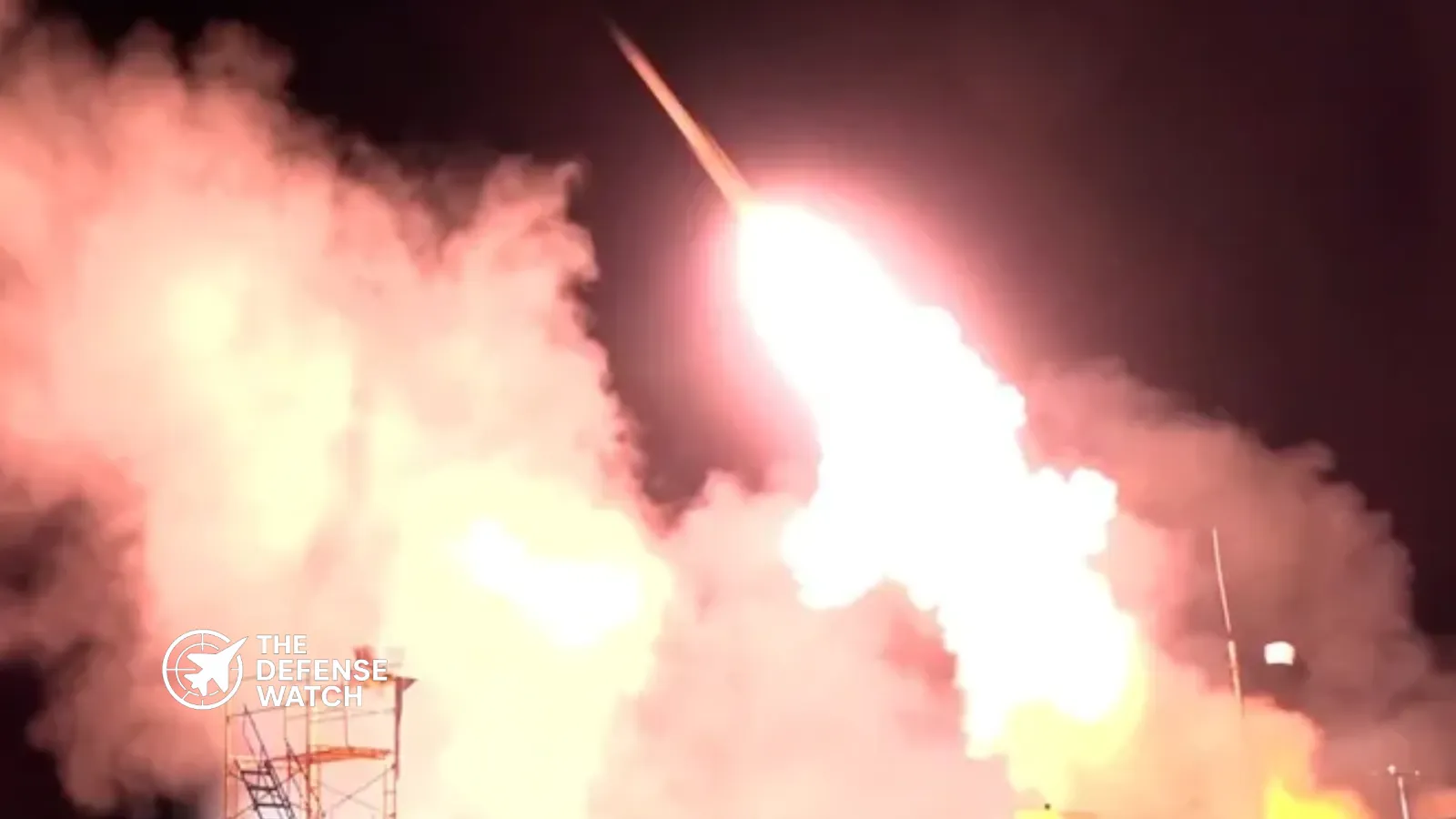
- The Pentagon spent roughly $5.6 billion in munitions during the first two days of U.S. strikes against Iran.
- More than 2,000 munitions were reportedly used to strike over 5,000 targets during the early phase of operations.
- Lawmakers have raised concerns that the pace of operations could strain U.S. stockpiles of precision weapons.
- The Pentagon has moved air defense assets such as THAAD and Patriot interceptors to the Middle East.
- Washington may request tens of billions of dollars in additional funding to sustain the campaign.
Pentagon Used $5.6 Billion In Munitions During First Two Days Of Iran War
The Pentagon used approximately $5.6 billion in munitions during the first two days of U.S. military operations against Iran, according to information provided to congressional committees. The figure highlights the immense cost and operational intensity of the early phase of the campaign.
The estimate covers the cost of weapons expended during the initial strikes and does not include broader operational expenses such as aircraft deployments, naval operations, logistics, or troop movements.
U.S. officials shared the figure with lawmakers as part of classified briefings on the evolving conflict, which began in late February when U.S. forces launched coordinated strikes against Iranian military targets.
The Big Picture
The pace of weapons expenditure during the opening days of the conflict underscores the scale of modern high intensity warfare.
Precision guided weapons, cruise missiles, interceptor missiles, and other advanced munitions form the backbone of U.S. strike doctrine. These systems provide accuracy and reduce collateral damage, but they are also expensive and difficult to produce quickly.
Recent conflicts have already strained U.S. stockpiles. Washington has supplied large quantities of weapons to Ukraine and Israel while maintaining deterrence missions in Europe and the Indo Pacific.
The Iran conflict adds another major operational demand on the U.S. defense industrial base.
In this context, the $5.6 billion figure represents more than just a financial cost. It illustrates the logistical challenge of sustaining large scale combat operations in an era dominated by high end precision weapons.
What’s Happening
The Pentagon estimate indicates that roughly $5.6 billion worth of munitions were used in the first 48 hours of U.S. strikes on Iranian targets.
According to officials familiar with the campaign:
• The United States has used more than 2,000 munitions in the opening phase of the conflict.
• Thousands of targets across Iran have been struck.
• U.S. forces have relied heavily on precision guided weapons.
The strikes are part of a broader military campaign involving air, naval, and missile defense forces operating across the Middle East.
The U.S. military has also deployed or repositioned additional air defense systems to protect regional bases and allied infrastructure from Iranian retaliation.
Officials said components of the Terminal High Altitude Area Defense system have been moved to the region, while Patriot interceptors are being used to counter Iranian missiles and drones.
Pentagon spokesman Sean Parnell stated that the Department of Defense has the resources required to carry out operations directed by the president.
Why It Matters
The scale of U.S. munitions used against Iran highlights a growing issue for military planners.
Modern precision weapons deliver decisive battlefield effects, but they are produced in relatively small quantities compared to traditional ammunition.
Cruise missiles, interceptor missiles, and advanced guided bombs often require complex manufacturing processes and specialized components. This limits how quickly industry can replenish stockpiles during a prolonged conflict.
Several lawmakers have already raised concerns that the pace of weapons use could affect U.S. readiness for other potential crises.
The Pentagon has acknowledged the importance of maintaining adequate stockpiles while continuing operations.
Strategic Implications
The early expenditure of $5.6 billion in munitions carries broader strategic implications for the United States and its allies.
First, it illustrates the logistical demands of sustained strike operations against a regional military power like Iran.
Iran maintains extensive missile forces, air defense systems, and dispersed military infrastructure. Neutralizing these capabilities requires large numbers of precision strikes.
Second, the conflict places pressure on the U.S. defense industrial base.
Producing advanced weapons such as cruise missiles and interceptor missiles often takes months or years. If the war continues at a high tempo, the Pentagon may need to accelerate procurement and expand industrial capacity.
Third, the campaign may influence U.S. force posture in other theaters.
The redeployment of air defense systems and interceptors from other regions suggests that global military resources are being redistributed to support operations in the Middle East.
Competitor View
Strategic competitors are likely analyzing the conflict closely.
China and Russia have long studied U.S. strike doctrine and logistics. The pace at which U.S. forces expend high end munitions provides valuable insights into American operational planning.
China in particular has focused on the concept of protracted conflict and the importance of industrial capacity. Chinese military strategists often argue that sustaining long wars depends as much on manufacturing capability as battlefield tactics.
Iran itself may also view the rapid expenditure of U.S. munitions as evidence that prolonged resistance could impose significant costs on Washington.
What To Watch Next
Several developments will shape the next phase of the conflict.
First, the White House is expected to request additional funding from Congress to support the military campaign. Estimates suggest the request could reach tens of billions of dollars.
Second, the Pentagon may adjust its operational approach by using more cost effective weapons for certain targets.
Third, the defense industry could receive new contracts to replenish depleted stockpiles of cruise missiles, interceptors, and precision guided bombs.
These contracts may drive a surge in production across the U.S. defense industrial base.
Capability Gap
The Iran conflict highlights a key capability gap within modern military planning.
High end precision weapons provide unmatched accuracy and effectiveness, but they are expensive and limited in supply.
A prolonged conflict could expose vulnerabilities in production capacity and logistics.
This challenge has already influenced Pentagon planning. The U.S. military has increasingly explored lower cost strike options, including guided bombs and unmanned systems, to complement expensive long range missiles.
Balancing precision capability with sustainable stockpiles will remain a central issue for defense planners.
The Bottom Line
The Pentagon’s use of $5.6 billion in munitions during the first two days of operations against Iran illustrates both the power and the logistical cost of modern precision warfare.
Get real time update about this post category directly on your device, subscribe now.
