
NATO Confirms Critical Air Defense Missile Shortage For Ukraine
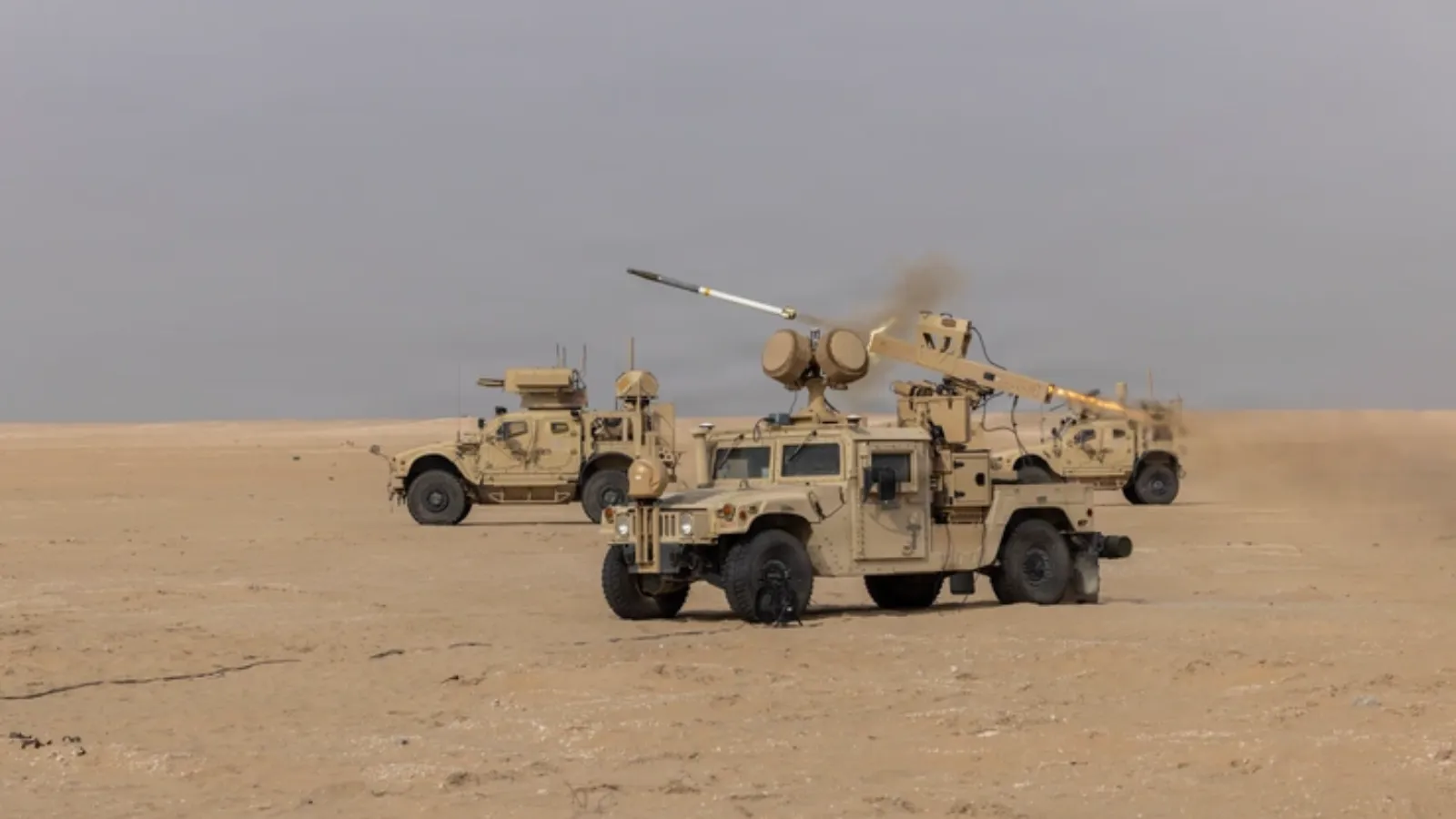
NATO Deputy Secretary General Radmila Shekerinska disclosed Saturday at the Munich Security Conference that Europe has effectively exhausted its stockpiles of air defense missiles available for Ukraine, leaving the United States as the only NATO member with significant interceptor reserves. The announcement highlights severe ammunition shortfalls affecting Ukraine’s defensive capabilities as the conflict with Russia approaches its fourth year.
Shekerinska’s statement at the high-profile security forum underscores mounting challenges facing Western allies in sustaining military support for Kyiv. The air defense missile depletion represents a critical gap in Ukraine’s ability to defend against Russian aerial attacks, which have intensified against civilian infrastructure and military targets throughout the conflict.
US Emerges As Sole NATO Supplier
With European stockpiles depleted, the United States now bears sole responsibility among NATO members for providing air defense interceptors to Ukraine. This development places additional pressure on American defense industrial capacity and strategic reserves as Washington continues balancing domestic security requirements with international commitments.
The revelation comes amid ongoing debates within NATO member states regarding defense spending, industrial production capacity, and long-term support strategies for Ukraine. European nations have struggled to replenish their own stocks while simultaneously transferring systems to Ukrainian forces.
Ammunition Shortfalls Plague Ukraine’s Air Defenses
Ukraine’s air defense network relies heavily on Western-supplied systems including Patriot missiles, NASAMS interceptors, and various short-range platforms. The depletion of European stocks threatens Ukraine’s ability to protect critical infrastructure, population centers, and military installations from Russian missile and drone strikes.
Russian forces have launched sustained aerial campaigns targeting Ukraine’s energy grid, transportation networks, and urban areas. Effective air defense coverage requires continuous ammunition supplies, making the current shortage particularly acute as winter conditions strain civilian infrastructure.
Western Allies Struggle With Sustained Support
The ammunition crisis extends beyond air defense missiles to artillery shells, anti-tank weapons, and other critical munitions. NATO members face competing pressures to rebuild their own defensive stocks, support Ukraine, and maintain deterrence postures against potential adversaries.
Defense industrial production across European NATO members has increased since Russia’s February 2022 invasion, but output remains insufficient to replace transferred systems while building strategic reserves. Long procurement timelines and limited manufacturing capacity constrain rapid expansion of production lines.
Implications For Ukraine’s Defensive Posture
Without adequate air defense coverage, Ukraine faces increased vulnerability to Russian strikes on military positions, logistics networks, and civilian targets. The shortage could force Ukrainian commanders to prioritize protection of critical assets while accepting increased risk to secondary locations.
NATO officials have repeatedly emphasized the importance of air defense systems in Ukraine’s overall defensive strategy. The current shortage may necessitate difficult decisions regarding resource allocation and defensive priorities in the coming months.
US Defense Industrial Response
American defense contractors including Raytheon Technologies, Lockheed Martin, and Northrop Grumman have increased production of air defense interceptors, but expanding output requires time and significant capital investment. The US Department of Defense continues evaluating its own stockpile requirements against commitments to Ukraine and other partners.
Congressional authorization and appropriations play crucial roles in sustaining aid flows to Ukraine. Ongoing political debates regarding funding levels and strategic priorities affect the pace and scale of American military assistance.
Strategic Considerations For NATO
The ammunition shortage highlights broader questions about NATO’s collective defense posture and readiness. Alliance members must balance immediate support for Ukraine with long-term requirements for territorial defense and deterrence against potential adversaries.
Shekerinska’s disclosure at Munich Security Conference signals NATO leadership’s recognition of these challenges and the need for coordinated responses. The alliance faces critical decisions regarding defense spending, industrial policy, and strategic priorities in the evolving security environment.
Looking Ahead
European nations and the United States face urgent requirements to expand defense industrial capacity while managing current stockpile limitations. The air defense missile shortage represents one element of broader ammunition challenges affecting Western support for Ukraine.
NATO members continue discussing long-term security commitments, industrial cooperation frameworks, and burden-sharing arrangements. The outcome of these deliberations will significantly impact Ukraine’s defensive capabilities and the broader European security architecture.
Get real time update about this post category directly on your device, subscribe now.
