
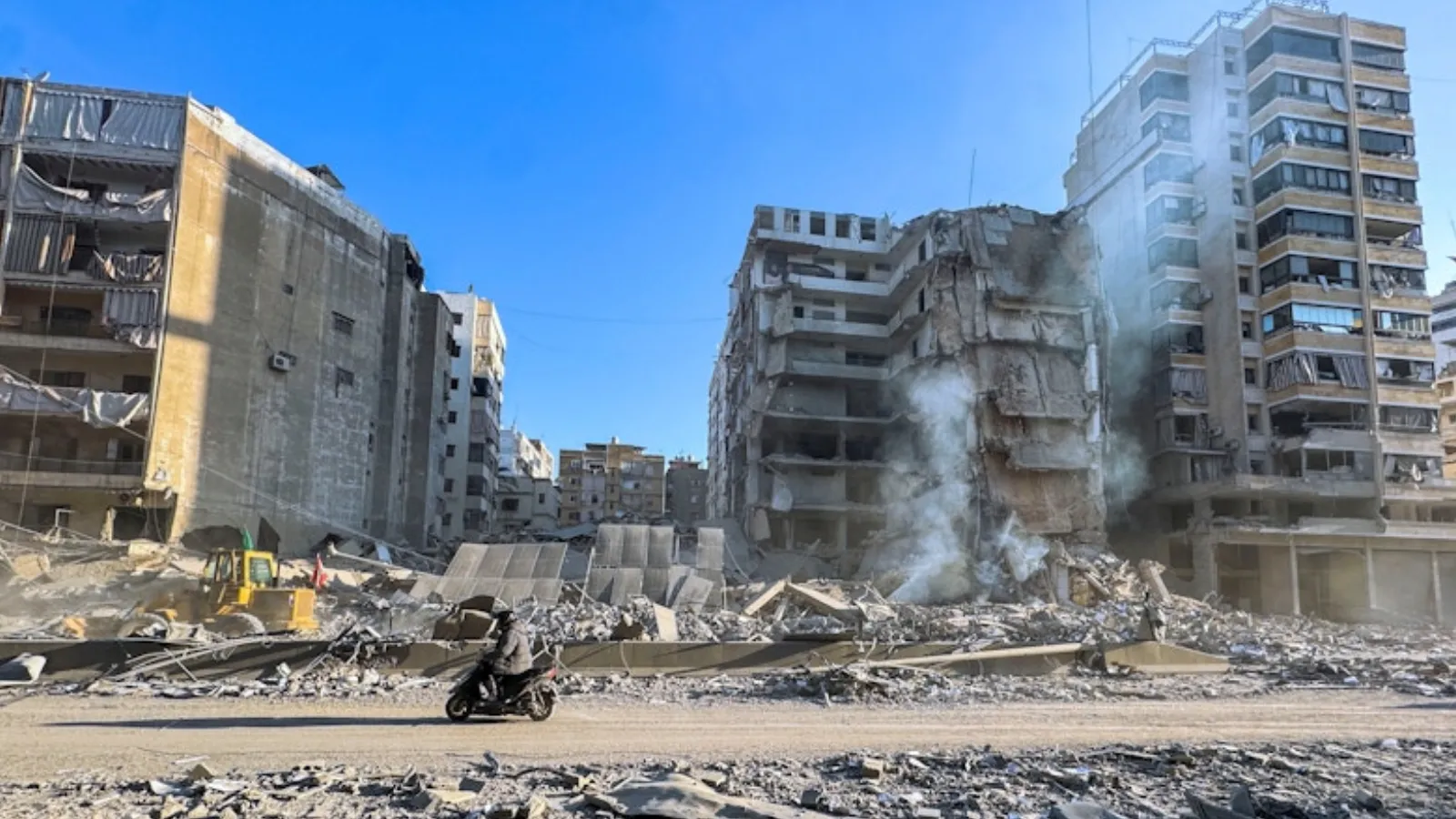
- Israeli strikes reportedly targeted infrastructure in Tehran during the latest phase of the Iran conflict.
- Saudi Arabia said its air defenses intercepted multiple drones and missiles entering its airspace.
- Iranian retaliatory strikes have expanded to Gulf states hosting U.S. military facilities.
- Energy infrastructure across the Gulf, including Saudi oil facilities, has already faced drone attacks.
- The widening strike pattern signals growing regional military escalation.
Israel Targets Tehran Infrastructure As War Expands Across The Middle East
Israel targeting Tehran infrastructure marks another escalation in the expanding military confrontation between Israel and Iran, while Saudi Arabia reports intercepting drones and missiles linked to the wider regional conflict.
The developments come as the war enters a broader regional phase, with attacks spreading across Israel, Iran, and several Gulf states hosting U.S. military facilities. Defense officials across the region have increased air defense readiness as missile and drone activity intensifies.
The Big Picture
The confrontation between Israel and Iran has evolved from isolated retaliatory strikes into a multi front regional military confrontation.
Israeli and U.S. forces launched a large scale air campaign against Iranian targets earlier in the conflict, striking military facilities, command centers, and security infrastructure. Iran responded with waves of ballistic missiles, cruise missiles, and drones targeting Israel as well as U.S. and allied facilities across the Middle East.
The strategic geography of the conflict means that key Gulf states including Saudi Arabia, Qatar, Bahrain, and the United Arab Emirates sit within range of Iranian missile and drone systems.
As a result, regional air defense networks have become a critical component of the conflict’s evolving operational picture.
What’s Happening
Israeli forces conducted strikes against infrastructure targets in Tehran as part of ongoing military operations against Iranian security and military facilities.
At the same time, Saudi Arabia announced that its air defense systems intercepted incoming drones and missiles, preventing them from reaching targets inside the kingdom.
Saudi defense officials said multiple interceptions have occurred in recent days, including drones and cruise missiles entering Saudi airspace near key population centers and energy facilities.
Iran has launched numerous retaliatory strikes across the region in response to Israeli and U.S. attacks, targeting U.S. bases, diplomatic facilities, and economic infrastructure.
In Qatar, for example, one Iranian ballistic missile struck the Al Udeid Air Base while another was intercepted by air defense systems.
The conflict has therefore expanded beyond Israel and Iran into a broader regional confrontation involving Gulf states hosting Western military forces.
Why It Matters
The Israeli strikes against Tehran infrastructure reflect a shift toward targeting command and security nodes within Iran’s capital.
Strikes against such facilities can disrupt internal security forces, command structures, and logistical networks that support Iranian military operations.
At the same time, Iran’s retaliatory strategy focuses on widening the battlefield by targeting U.S. and allied assets across the region.
This approach increases operational pressure on U.S. partners while raising the cost of continued Israeli air operations.
The expanding drone and missile campaign also demonstrates the central role of Iran’s asymmetric strike capabilities.
Iran maintains one of the largest missile arsenals in the Middle East and has invested heavily in long range drones capable of reaching targets across the Gulf region.
Strategic Implications
Regional air defense networks are now operating under sustained operational stress.
Saudi Arabia, the United Arab Emirates, Qatar, and Israel rely on layered air defense systems that include Patriot batteries, locally developed interceptors, and other missile defense technologies.
Intercepting drones and cruise missiles remains technically challenging because these systems fly at low altitude and can be launched in large numbers.
Iran’s use of mixed attack packages, combining ballistic missiles with drones and cruise missiles, is designed to saturate defenses and increase the probability that some weapons reach their targets.
The widening strike geography also increases the risk of escalation involving additional regional militaries.
Gulf states hosting U.S. bases may feel compelled to strengthen military coordination with Washington as Iranian attacks continue.
Competitor View
Russia and China will closely watch how the conflict reshapes regional security alignments.
Iran’s decision to target infrastructure and facilities in Gulf states risks pushing historically cautious regional actors closer to U.S. and Israeli security coordination.
At the same time, Tehran has sought to strengthen economic ties with Moscow, including renewed purchases of Russian oil despite international sanctions.
For Russia, the conflict complicates energy markets but also increases geopolitical leverage as regional instability disrupts global oil flows.
China, heavily dependent on Middle Eastern energy imports, will monitor the security of maritime routes such as the Strait of Hormuz.
What To Watch Next
Several indicators will shape the next phase of the conflict.
First, the scale and frequency of Israeli strikes inside Iran will determine whether the air campaign expands toward strategic military facilities such as missile bases or nuclear related infrastructure.
Second, regional air defense performance will remain critical as Gulf states attempt to intercept incoming missiles and drones.
Third, energy infrastructure security will remain a central concern.
Iranian drone strikes have already targeted Saudi oil facilities, including the Ras Tanura refinery, one of the kingdom’s most important export hubs.
Further attacks against oil or gas infrastructure could have immediate global economic consequences.
Capability Gap
The conflict highlights a persistent vulnerability in regional air defense networks.
Even highly advanced systems can struggle against large scale drone and cruise missile attacks launched simultaneously from multiple directions.
Iran has built its military strategy around exploiting this weakness by fielding large numbers of relatively low cost strike systems.
While advanced interceptors can stop many incoming threats, defending large territories and critical infrastructure against continuous attacks remains operationally demanding.
This challenge will likely accelerate regional investment in integrated air and missile defense networks.
The Bottom Line
Israeli strikes on Tehran infrastructure and Saudi Arabia’s interception of incoming drones show that the Iran war is expanding into a broader regional air and missile conflict.
Get real time update about this post category directly on your device, subscribe now.
