
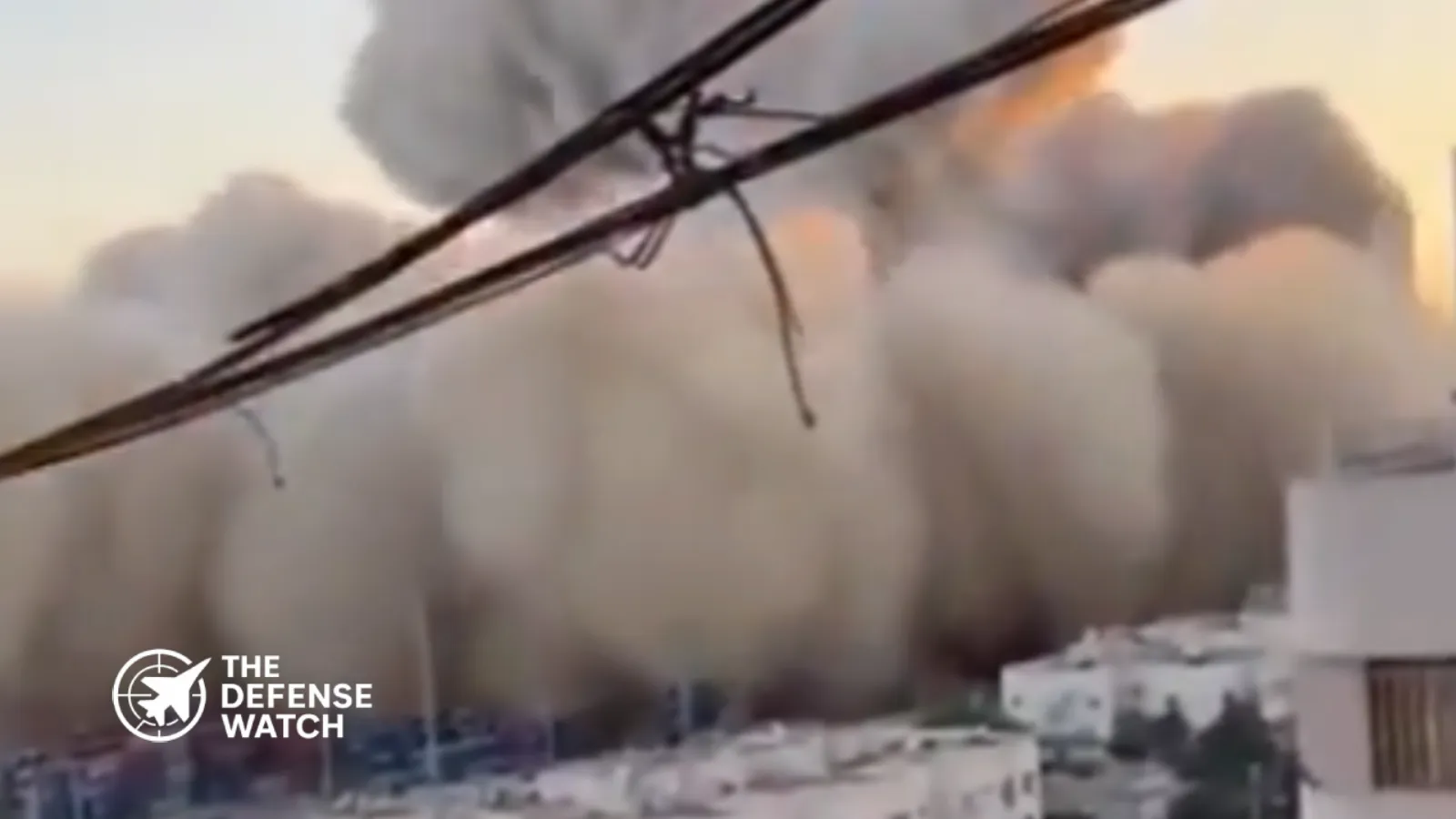
- ► Joint U.S.-Israeli strikes on Iran began February 28, 2026, killing Supreme Leader Ayatollah Ali Khamenei and targeting missile sites, air defenses, and military HQ.
- ► Iran retaliated with multiple waves of ballistic missiles and drones targeting Israel, including Tel Aviv, Haifa, and other areas; claims of hits on military complexes reported by IRGC.
- ► No authoritative sources confirm Iranian use of thermobaric weapons; strikes described as conventional ballistic missiles.
- ► Casualties reported in Israel from impacts and shrapnel; Israeli defenses intercepted many projectiles amid ongoing barrages.
- ► Conflict widens with Hezbollah involvement from Lebanon and Iranian strikes on U.S. bases in Gulf states.
Ongoing Iran-Israel Escalation: Missile Exchanges Intensify After Khamenei Killing
Iran’s Islamic Revolutionary Guard Corps (IRGC) has conducted multiple waves of ballistic missile and drone attacks on Israel since late February 2026, targeting areas including Tel Aviv, Haifa, and Jerusalem, as part of retaliation for a major U.S.-Israeli military operation against Iran.
The joint U.S.-Israeli campaign, which Israeli officials codenamed Operation Roaring Lion, commenced on February 28 with extensive airstrikes on Iranian targets. These included missile production facilities, air defense networks, naval assets, and command structures. Israeli and U.S. officials confirmed the operation resulted in the death of Supreme Leader Ayatollah Ali Khamenei, along with other senior figures, marking a significant escalation in long-standing tensions.
Iranian state media and IRGC statements described the response as “Truthful Promise” operations or similar, claiming strikes on Israeli military headquarters, airbases like Tel Nof, and defense industry sites in Tel Aviv. Reports indicate over 60 waves of attacks on Israel in the initial 24-48 hours, involving hundreds of ballistic missiles and drones. Israeli military sources reported interceptions of many incoming threats, though some caused damage and casualties in central and northern Israel.
Social media claims specifically alleging thermobaric bomb deployment by Iran—describing effects up to 100 meters and rapid impact using “newly made weapons”—stem largely from unverified posts on X (formerly Twitter). These often feature similar video clips or images without geolocation or timestamp verification tying them to current events. Established defense analysts and outlets have not corroborated thermobaric use; Iran’s arsenal relies heavily on conventional high-explosive warheads in missiles like the Kheibar series for such barrages.
Thermobaric weapons, which disperse fuel to create prolonged blast waves, have been discussed in regional conflicts but remain unconfirmed here. Prior uses in the Middle East (e.g., reported in Gaza contexts by some investigations) highlight their devastating effects, but application requires specific delivery systems not prominently featured in Iranian missile inventories for long-range strikes.
Israeli defenses, including multi-layered systems, have mitigated much of the threat, though penetrations have led to civilian impacts. The conflict’s expansion includes Hezbollah rocket fire from Lebanon, prompting Israeli counterstrikes, and Iranian attacks on U.S. positions in the Gulf, resulting in American casualties.
This marks a critical phase in Middle East security dynamics, with risks of broader involvement. Diplomatic efforts, including UN Security Council discussions, emphasize de-escalation, though military actions continue.
Get real time update about this post category directly on your device, subscribe now.
