
Honda Hybrid eVTOL Targets 2026 Test Flight
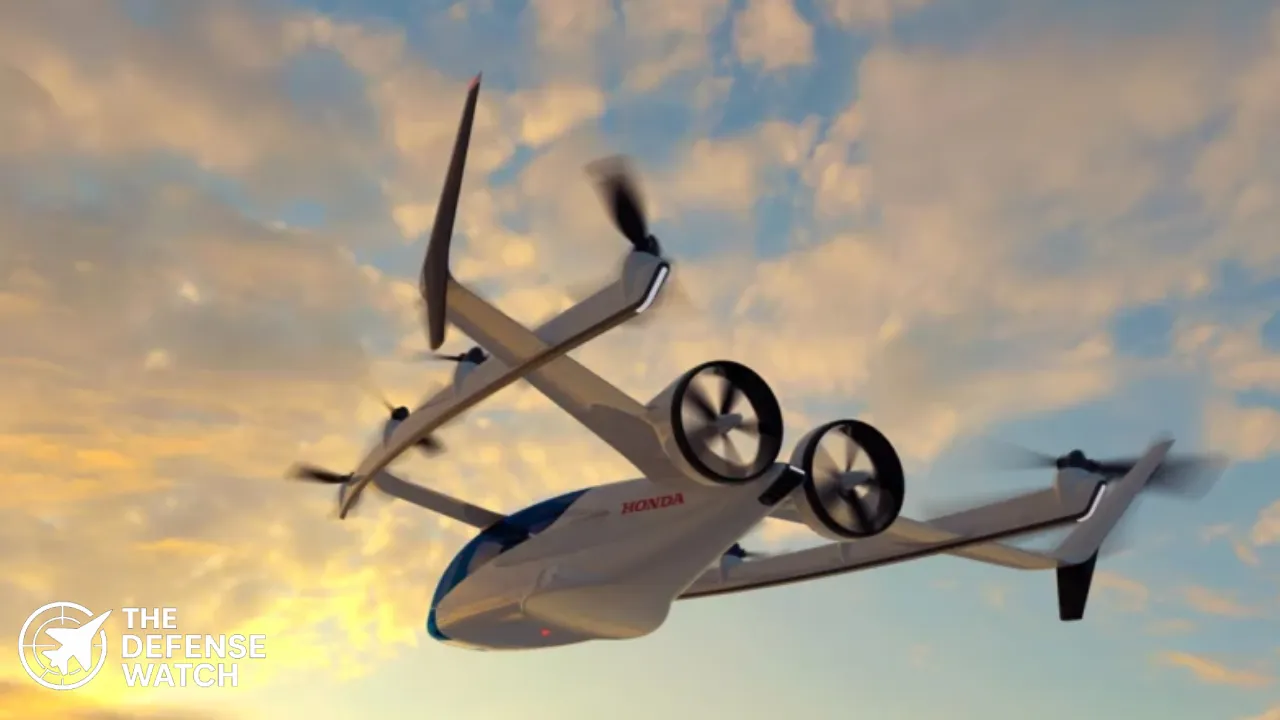
Honda has announced that its hybrid eVTOL aircraft prototype will conduct its first flight test in 2026, marking a major milestone in the company’s expansion into aviation and advanced air mobility. The company revealed the updated timeline during a technical briefing in Tokyo, reaffirming its long-term strategy to develop a next-generation electric vertical takeoff and landing aircraft designed for regional transport, not just short-range urban mobility.
The project positions Honda among a growing list of aerospace and automotive companies seeking to gain an early foothold in the global advanced air mobility (AAM) sector, which is projected to reach hundreds of billions of dollars in economic value by the mid-2030s.
Background: Honda’s Entry Into the Urban and Regional Air Mobility Market
Honda’s hybrid eVTOL program was first publicized in 2021 as part of its long-term research and development portfolio. While several eVTOL manufacturers—such as Joby Aviation, Archer Aviation, and Lilium—are pursuing fully electric platforms, Honda is taking a hybrid-electric approach, citing the need for extended range and more flexible operational capabilities.
The company claims its hybrid configuration will enable flights of over 400 kilometers, far exceeding the typical 20–60 km ranges of all-electric urban eVTOL designs. This positions Honda’s aircraft for regional mobility missions between cities, islands, or remote hubs—roles traditionally served by small turboprop aircraft.
Honda’s move into the sector also aligns with a broader industry trend of automakers entering aviation, leveraging their battery and electric powertrain expertise. Companies like Hyundai, Toyota, and XPeng have all shown significant investment in AAM technologies.
Development Details and Aircraft Specifications
Hybrid Powertrain Approach
Honda’s eVTOL is designed around a gas turbine generator paired with electric propulsion motors, allowing the aircraft to balance energy efficiency, reduced emissions, and long-range capability. The hybrid system also reduces reliance on charging infrastructure, which remains a major challenge for early eVTOL adoption.
Aircraft Configuration
The hybrid eVTOL features:
- Eight tilt-rotors for vertical lift and forward flight
- Fixed wings for greater aerodynamic efficiency
- A multi-seat cabin suitable for short regional hops
- Target cruise speed estimated between 250–300 km/h
The aircraft completed its conceptual phase in 2023 and is now entering full-scale design and component testing.
2026 Flight Test Plan
According to Honda’s latest timeline, the company will:
- Finalize full-scale prototype design by mid-2025
- Begin assembly in late 2025
- Conduct initial flight tests in 2026
Honda’s announcement aligns with the broader industry pace, as major eVTOL manufacturers are also targeting flight tests and early certification milestones between 2025 and 2027.
Industry Context and Competing Programs
Rival Platforms
The hybrid eVTOL market remains less crowded than fully electric designs, but Honda faces competition from:
- Lilium Jet (all-electric but targeting regional missions)
- Overair Butterfly (hybrid-electric design)
- Beta Technologies Alia (conventional takeoff hybrid-electric variant in development)
Hybrid concepts are gaining traction due to range limitations and battery density constraints in all-electric aircraft.
Certification Challenges
Honda expects certification to be a long-term effort extending beyond 2030. This reflects the regulatory reality:
- The FAA and EASA have only recently developed frameworks for eVTOL certification.
- Hybrid VTOL aircraft introduce new complexities involving both aviation turbine systems and electric propulsion.
Certification will likely follow the FAA’s powered-lift category, requiring both aircraft and pilot standards to be finalized before commercial service can begin.
Expert and Policy Perspective
AAM Infrastructure and Energy Considerations
Experts note that hybrid eVTOL aircraft may see earlier commercial adoption than fully electric platforms due to:
- Lower infrastructure requirements (no fast-charging networks)
- Higher operational reliability
- Longer ranges suitable for existing regional routes
From a policy standpoint, hybrid eVTOLs could support early AAM deployment in areas lacking robust energy grids—particularly island nations, rural communities, and large geographies such as the United States.
Defense and Dual-Use Potential
While Honda has not indicated military intentions, hybrid eVTOL technologies carry clear dual-use potential, including:
- Logistics missions
- Medical evacuation
- Humanitarian operations
- Remote area resupply
The U.S. Department of Defense is already evaluating similar platforms under initiatives led by the Air Force’s Agility Prime program.
Outlook: What Comes Next for Honda’s Hybrid eVTOL
Honda’s 2026 flight test will represent a crucial milestone in the company’s long-term vision for advanced air mobility. The hybrid eVTOL approach offers a compelling alternative to fully electric designs, especially in markets where range, flexibility, and reliability are paramount.
As Honda moves forward, key points to watch include:
- Completion of full-scale prototype assembly
- Selection of manufacturing partners and supply chain strategy
- Regulatory engagement with FAA and Japanese MLIT
- Infrastructure requirements for vertiports and regional hubs
Honda’s progress further highlights the accelerating competition between automakers and aerospace manufacturers in shaping the future of next-generation air transport.
Get real time update about this post category directly on your device, subscribe now.

3 comments
[…] across multiple roles, including:• Airborne Electronics Analysts• Operations Officers• Air Mobility Officers• Air Traffic Controllers• Air Battle Managers• Maritime Patrol and Response […]
[…] leaders describe MV-75 as central to future assault and air mobility missions, especially in contested environments where rapid movement over long distances could be […]
[…] twin-launch missile pods mounted on its back. Company representatives at the show described it as a mobile remote fire-support asset tailored for high-risk urban and complex terrain […]