
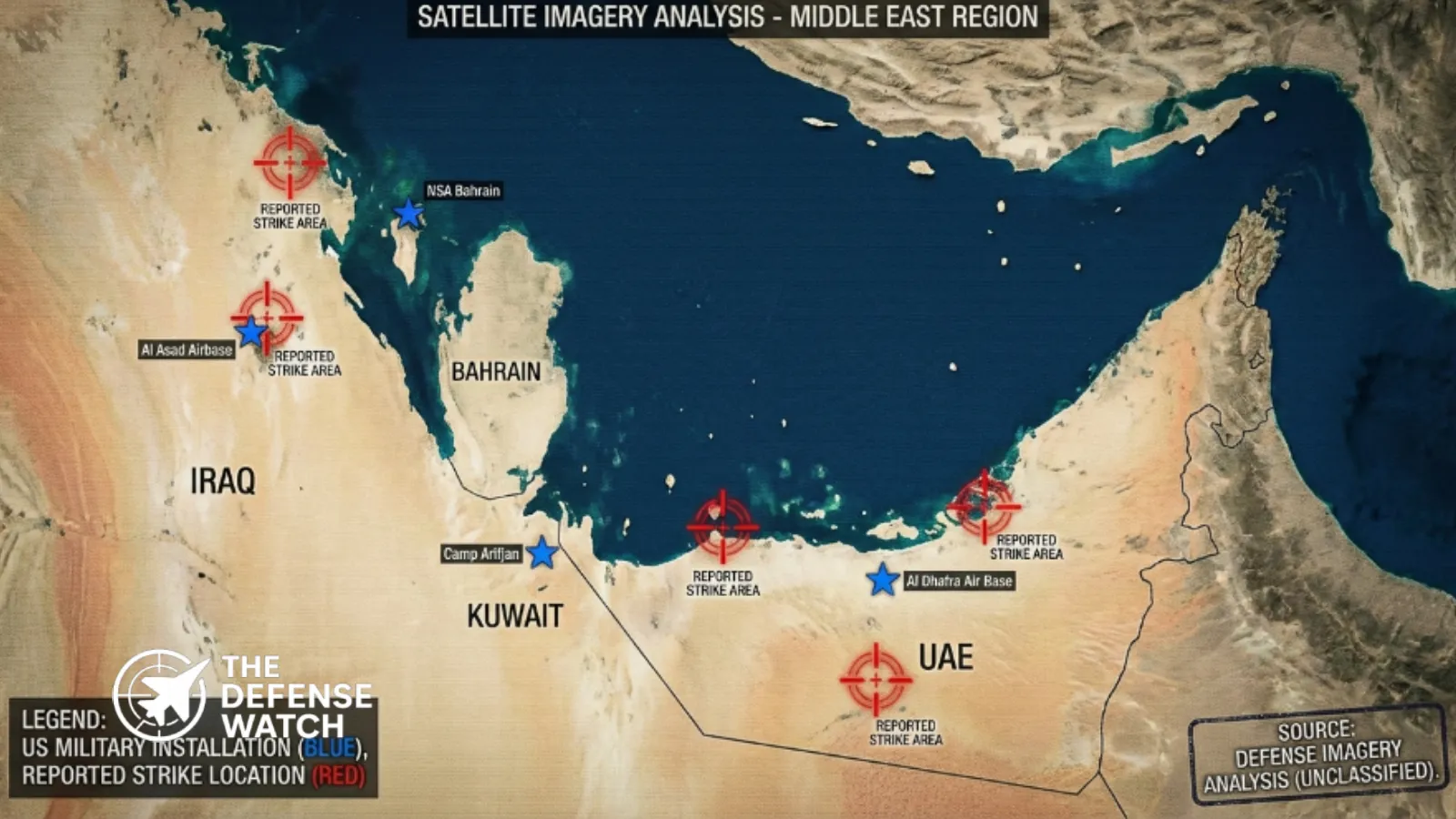
- ► Iran launched retaliatory strikes on at least six U.S. military facilities across the Middle East, according to The New York Times analysis of satellite imagery, videos, and U.S. statements (March 1–2, 2026).
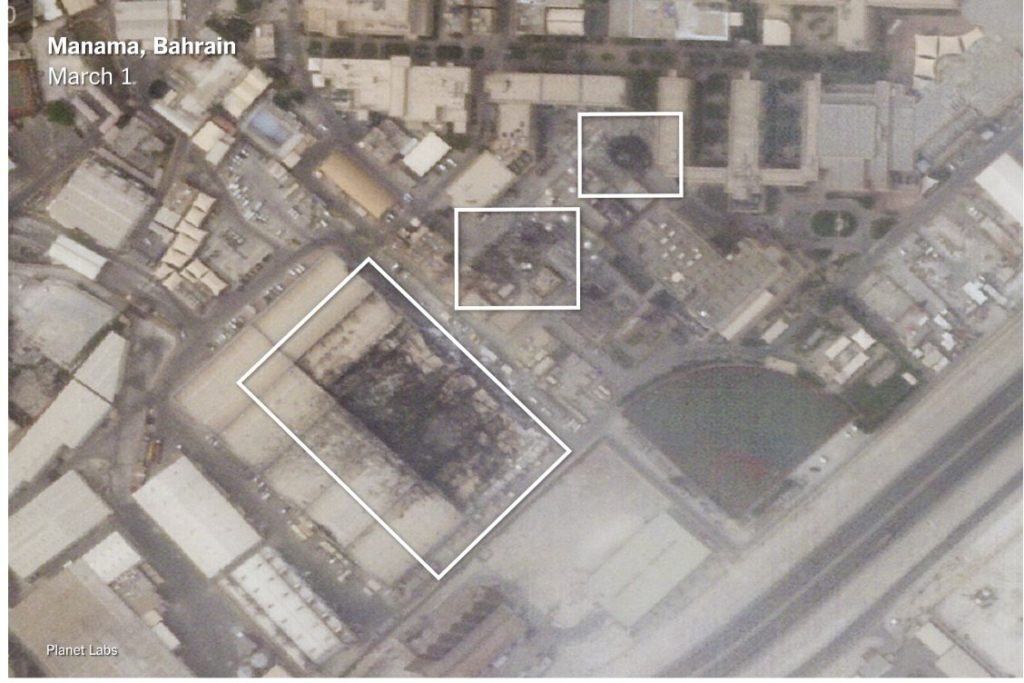
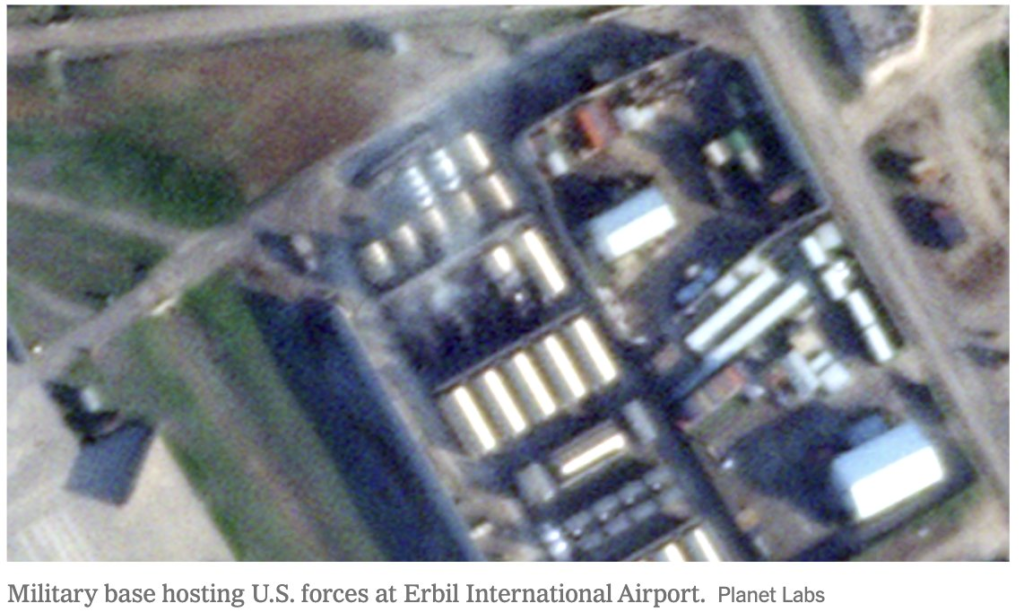
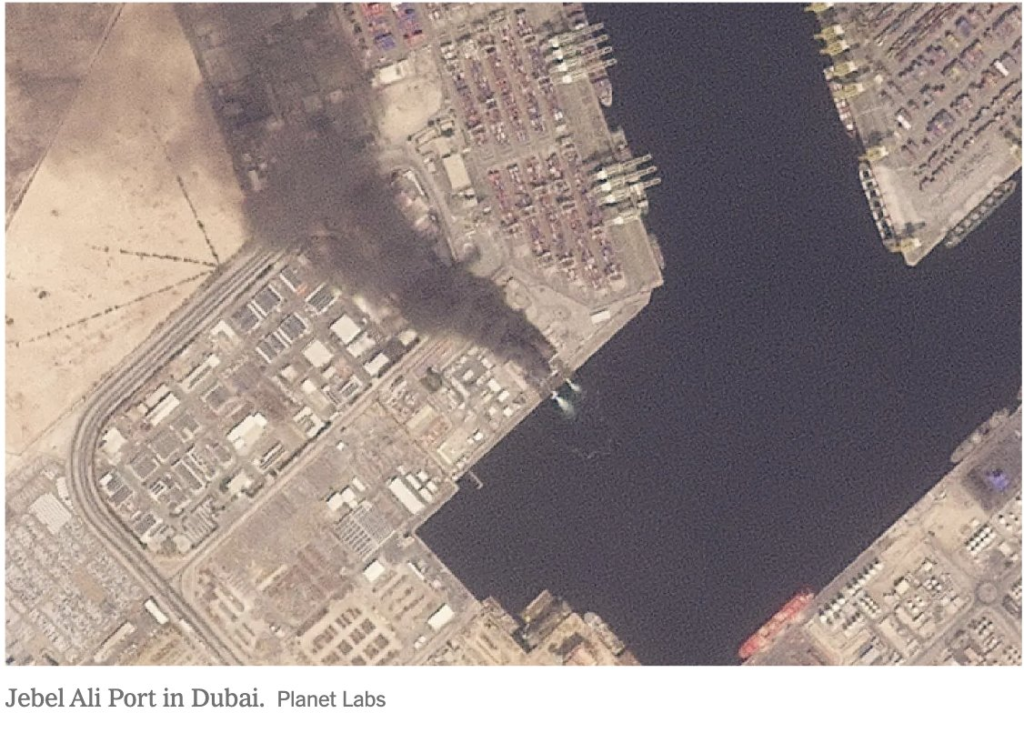
- ► Targeted locations include Bahrain (U.S. Navy Fifth Fleet HQ in Manama), multiple sites in Iraq, Kuwait (including Camp Arifjan and Ali al-Salem Air Base), and the UAE (facilities and Dubai port area used by U.S. forces).
- ► Strikes involved missiles and drones; confirmed damage to buildings, satellite communications equipment, and other infrastructure — thick smoke and explosions reported in several locations.
- ► U.S. Central Command confirmed three service members killed and five seriously wounded in Kuwait; no additional casualties reported from other sites as of March 2, 2026.
- ► Retaliation follows joint U.S.-Israeli strikes on Iran beginning February 28, 2026, which killed Supreme Leader Ali Khamenei and other senior figures — escalating the conflict across the Gulf region.
Escalating Conflict: Iran Targets US Bases in Retaliation
The reported Iranian attacks on US military installations mark a significant escalation in the ongoing Middle East crisis, directly responding to the US-Israeli strikes that began February 28, 2026. According to The New York Times, satellite imagery and video evidence confirm impacts on at least six sites, with severe structural damage observed.
Iran’s Islamic Revolutionary Guard Corps (IRGC) has framed these actions as part of a broader retaliatory campaign, dubbed stages of “Operation True Promise-2,” involving hypersonic missiles, drones, and other munitions. Iranian officials, including Foreign Minister Abbas Araghchi, have condemned the killing of Supreme Leader Ali Khamenei as a “grave breach” of international norms and a “declaration of war on Muslims worldwide,” per statements from President Masoud Pezeshkian.
The US-Israeli operation targeted Iranian cities and infrastructure, justified by Washington as necessary to counter alleged missile and nuclear threats from Tehran. US President Trump has stated the campaign is proceeding “ahead of schedule” and emphasized that the US “cannot allow” Iran to possess long-range missiles. Reports indicate the strikes resulted in the deaths of Khamenei and other key figures, including IRGC leadership, prompting leadership transitions and mourning periods in Iran and allied nations like Iraq.
Scope of Iranian Strikes
The affected locations span multiple Gulf states hosting US forces:
- Bahrain: Headquarters of the US Navy’s Fifth Fleet in Manama sustained damage.
- Iraq and Kuwait: Multiple military bases hit, with claims of destroyed facilities.
- UAE: Sites including a Dubai port utilized by US military logistics.
Iranian sources claim additional impacts across ten countries, including strikes on facilities in Qatar, Jordan, Saudi Arabia, and Oman, though independent verification remains limited. The IRGC has asserted significant US casualties (up to 200 in some claims) and destruction of assets, including disabling UAE air defense radars and targeting naval vessels.
US authorities have confirmed earlier deaths of three servicemen but provided no updated casualty figures from these specific Iranian strikes. The USS Abraham Lincoln carrier was reportedly in the vicinity but avoided direct hits.
Geopolitical Ramifications
This tit-for-tat exchange underscores deepening regional tensions and the potential for wider involvement. Russia has condemned the US-Israeli actions, with President Putin calling Khamenei’s killing a “cynical violation” of norms. Foreign Minister Sergey Lavrov and Chinese counterpart Wang Yi expressed readiness to promote stabilization. Russian officials warn that continued aggression risks escalation beyond the Middle East.
Oil markets have reacted sharply, with Brent crude rising amid threats to the Strait of Hormuz—though Iranian diplomats clarified no permanent closure is planned. Analysts note that prolonged disruption could drive prices higher and trigger global energy concerns.
Iran maintains openness to de-escalation efforts, with Araghchi stating Tehran is in contact with partners like Russia and China. However, the killing of senior leaders complicates internal dynamics and any near-term negotiations.
The conflict highlights vulnerabilities in forward-deployed US forces and the challenges of deterring asymmetric responses involving missiles and drones. As operations continue, the focus remains on containing spillover while addressing underlying missile and nuclear issues.
Get real time update about this post category directly on your device, subscribe now.
