Boeing Secures $51.9M AH-6 Support Contract For Saudi Arabia
AH-6 support contract Saudi Arabia activity expanded this week as Boeing secured a $51.9 million U.S. Army contract modification to provide postproduction sustainment services for the Saudi Arabia Ministry of National Guard’s light attack helicopter fleet.
The award, announced by the U.S. Department of Defense, modifies an existing agreement and brings the total cumulative value of the contract to $76.8 million. The work will be carried out in Mesa, Arizona, with completion scheduled for May 31, 2028.
- Boeing awarded $51.9 million contract modification for AH-6 postproduction support services.
- Contract supports Saudi Arabia Ministry of National Guard under Foreign Military Sales program.
- Total contract value rises to $76.8 million following latest modification.
- Work will be performed in Mesa, Arizona, through May 31, 2028.
- U.S. Army Contracting Command at Redstone Arsenal is the contracting authority.
Funded through Fiscal 2025 Foreign Military Sales allocations, the contract reflects continued U.S. support for allied rotary-wing capabilities in the Middle East.
Sustaining Saudi Arabia’s Light Attack Capability
The AH-6 support contract Saudi Arabia centers on postproduction services, a critical phase that ensures operational readiness beyond initial procurement. These services typically include maintenance planning, logistics support, spare parts management, and system upgrades.
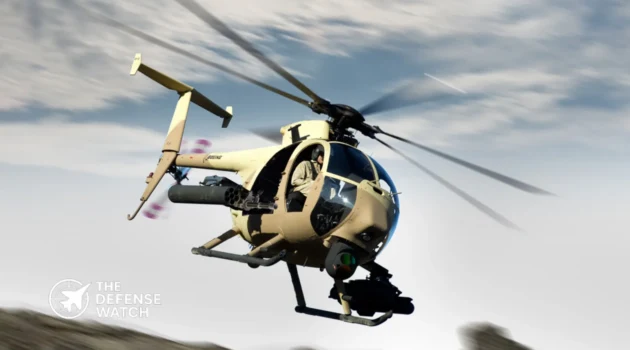
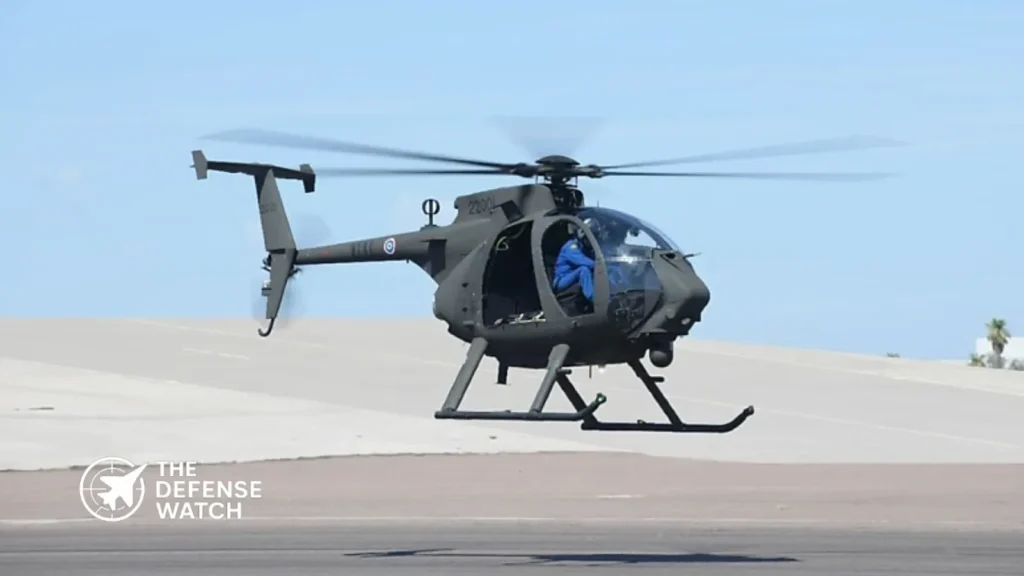
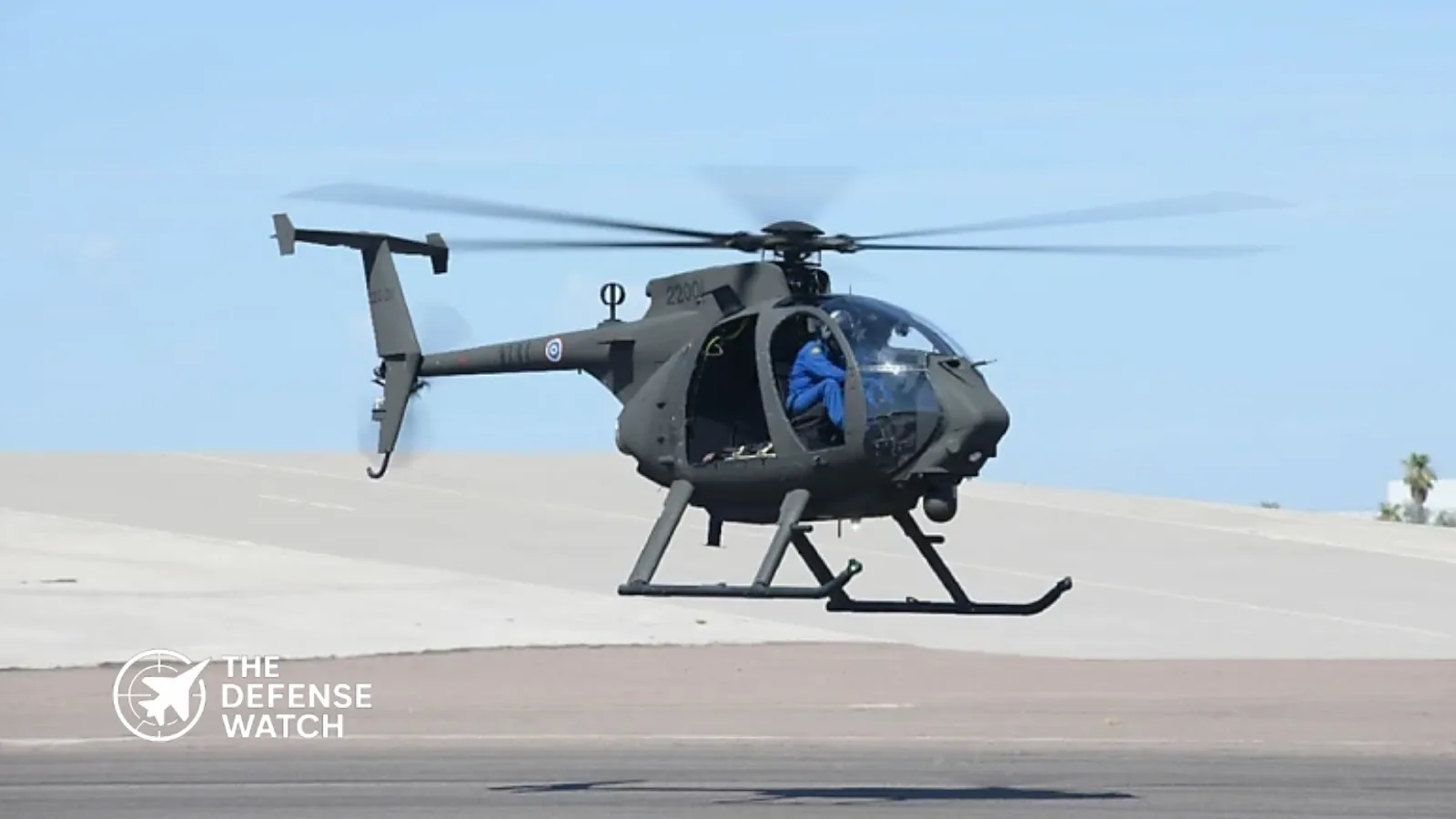
The AH-6, a light attack and reconnaissance helicopter derived from the proven MH-6 Little Bird platform, is designed for rapid deployment, close air support, and urban operations. Its small footprint and agility make it particularly effective in counterinsurgency and internal security missions, roles that align closely with the operational needs of the Saudi National Guard.
By extending sustainment support through 2028, the contract ensures that Saudi-operated AH-6 platforms remain mission-ready amid evolving regional security dynamics.
Strategic Role Of Foreign Military Sales
This AH-6 support contract Saudi Arabia deal falls under the U.S. Foreign Military Sales framework, a key instrument of American defense policy that enables partner nations to acquire and sustain U.S.-made military systems.
The FMS model provides several advantages. It standardizes training and logistics, ensures interoperability with U.S. forces, and strengthens long-term defense relationships. In this case, the continued investment in AH-6 sustainment reinforces operational alignment between U.S. and Saudi forces, particularly in areas such as counterterrorism and rapid response operations.

Image : Boeing According to the U.S. Army Contracting Command at Redstone Arsenal, Alabama, the funds were fully obligated at the time of award, indicating immediate execution without incremental funding delays.
Mesa, Arizona As A Sustainment Hub
Boeing’s Mesa, Arizona facility plays a central role in rotary-wing production and sustainment. The site has long served as a hub for Apache and light helicopter programs, offering integrated engineering, manufacturing, and lifecycle support capabilities.
For the AH-6 support contract Saudi Arabia, concentrating work in Mesa ensures access to specialized expertise and established supply chains. This approach reduces logistical friction and helps maintain consistent service quality over the contract’s multi-year duration.
The choice of a single primary location also reflects a broader trend in defense sustainment, where centralized hubs improve efficiency while maintaining global reach through deployed support teams.
Operational And Regional Implications
From an operational perspective, the AH-6 support contract Saudi Arabia enhances the Saudi National Guard’s ability to maintain a high readiness posture. Light attack helicopters like the AH-6 are often used in time-sensitive missions where reliability and rapid turnaround are critical.
Regionally, the contract underscores continued U.S. engagement in Middle East defense partnerships. While the agreement itself is focused on sustainment rather than new capability acquisition, its impact is significant. Sustainment contracts extend the effective lifespan of existing platforms, often delivering greater operational value than new purchases in the short term.
Moreover, the timing aligns with ongoing efforts by Gulf states to modernize and maintain agile, cost-effective air capabilities in response to asymmetric threats.
Analysis: Why Sustainment Contracts Matter More Than Ever
A key takeaway from the AH-6 support contract Saudi Arabia is the growing importance of lifecycle support in modern defense planning. Procurement often attracts attention, but sustainment determines real-world effectiveness.
In recent years, defense budgets globally have shifted toward maintaining readiness rather than expanding fleets. This reflects lessons learned from high-tempo operations, where availability rates and maintenance cycles directly influence mission success.
For platforms like the AH-6, which operate in demanding environments, sustained investment in support infrastructure ensures reliability and reduces long-term costs. It also allows incremental upgrades, keeping older systems relevant without the need for full replacement.
From Boeing’s perspective, contracts like this provide stable revenue streams while reinforcing long-term customer relationships. For the U.S. government, they strengthen allied capabilities without introducing new systems that require extensive training or integration.
Contracting Authority And Timeline
The contract modification was issued by the U.S. Army Contracting Command at Redstone Arsenal, a central hub for aviation and missile procurement.
Originally awarded under contract W58RGZ-24-C-0002, the agreement now reflects an expanded scope aligned with Saudi operational requirements. The April 6, 2025 award date marks the latest step in what appears to be a phased sustainment strategy.
With completion set for mid-2028, the contract provides a multi-year window for continuous support, aligning with typical maintenance cycles for light rotary-wing platforms.
Get real time update about this post category directly on your device, subscribe now.