
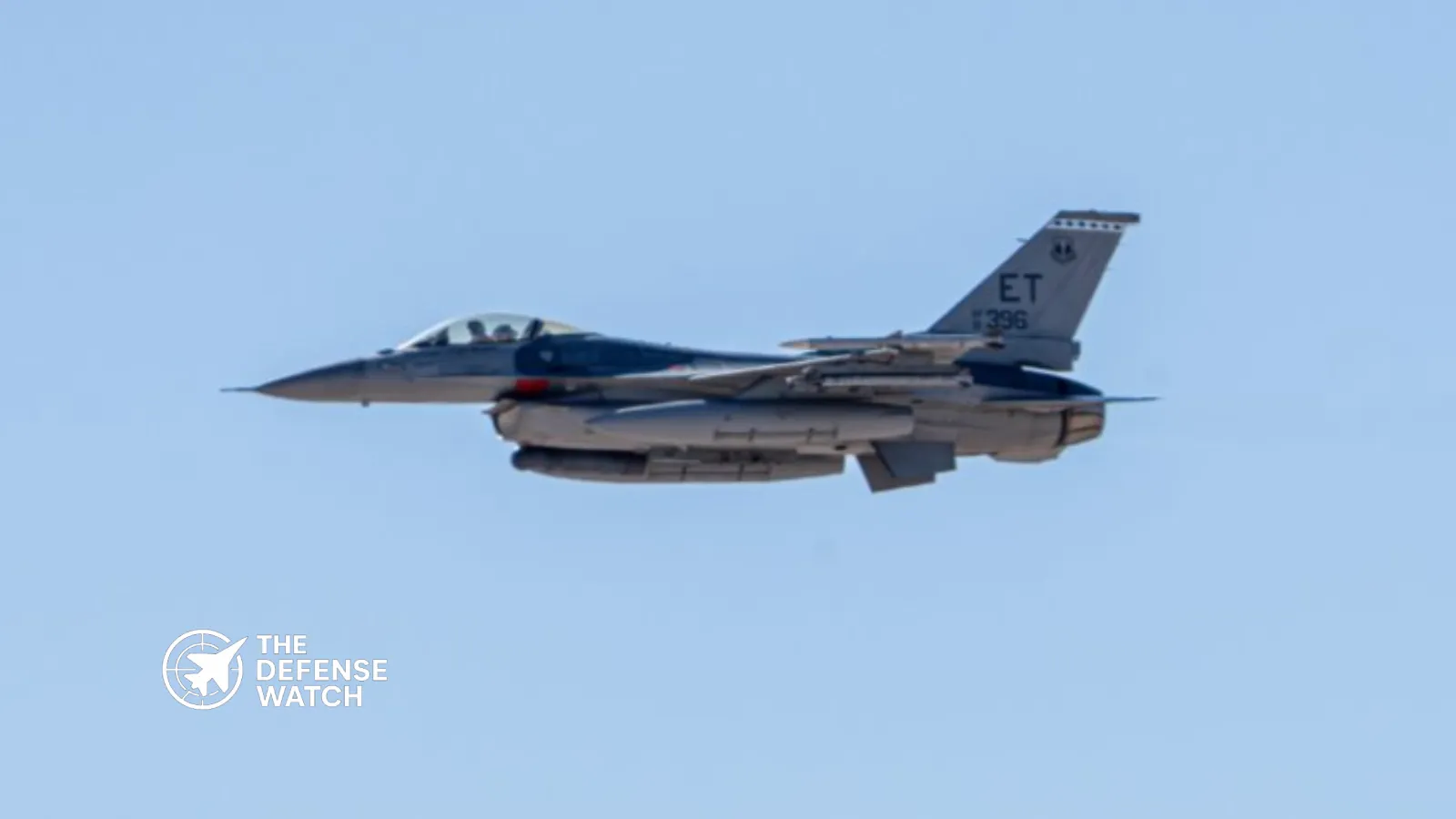
Northrop Grumman’s Integrated Viper Electronic Warfare Suite has been fully paired with the Scalable Agile Beam Radar on F-16 fighter jets, giving the aircraft layered protection and improved tracking without harming radar performance. The fixed integration of AN/ALQ-257 IVEWS with the AN/APG-83 SABR active electronically scanned array lets the systems operate on the same slice of the electromagnetic spectrum in combat conditions
Integration milestone completed
Northrop Grumman announced that its AN/ALQ-257 IVEWS has been successfully matched with the AN/APG-83 SABR radar on U.S. Air Force F-16 aircraft. That pairing allows the jet to hunt and jam threats while keeping a clear radar picture. This avoids the traditional need to shut off radar during electronic attack, which used to reduce situational awareness.
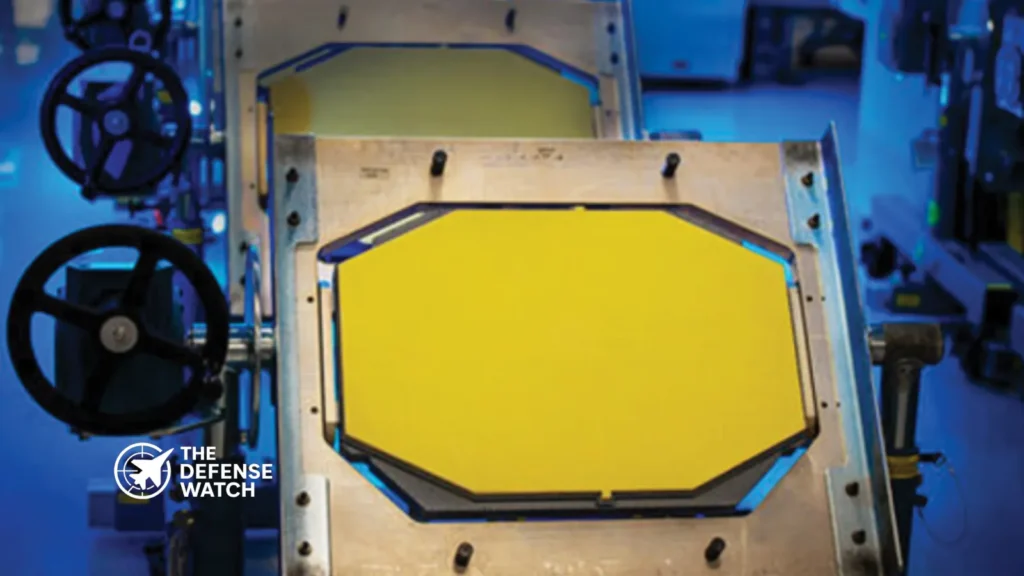
The SABR radar provides long-range search and precision tracking plus synthetic aperture mapping and maritime modes. IVEWS brings wideband digital radar warning and jamming to help counter modern threats such as surface-to-air missile fire control radars, direction finders and agile emitters that can hop frequencies.
Digital synchronization protects the spectrum
A key technical advance of the integrated stack is how radar and electronic warfare functions work together on a pulse-to-pulse basis. With digital coordination, the radar never needs to blank its emissions for the jammer, and neither function degrades the other. That lets crews simultaneously execute high-resolution tracking and denial of hostile radar engagement systems.
Northrop says this pulse-level interoperability is unique among F-16 EW upgrades and gives the aircraft improved self-protection and mission effectiveness in contested electromagnetic environments.
Operational testing and assessment
IVEWS has been in testing for some time. An operational assessment involving more than 70 flights and 100 flying hours demonstrated its ability to stand up against simulated modern threats. Flight tests also confirmed that both the EW suite and radar maintain performance when operating together.
Independent reporting notes that early flight flights with IVEWS installed on USAF F-16s passed key milestones, and the system has been pushed toward production and fielding.
Comparing EW paths for the Viper
Northrop’s IVEWS is now one of the most advanced internal EW suites for the F-16. Other systems like L3Harris’s Viper Shield also pursue internal or podded electronic warfare solutions that tie into AESA radars such as SABR. Viper Shield has completed safety-of-flight qualifications and is entering low-rate production for international customers, including six allied air forces.
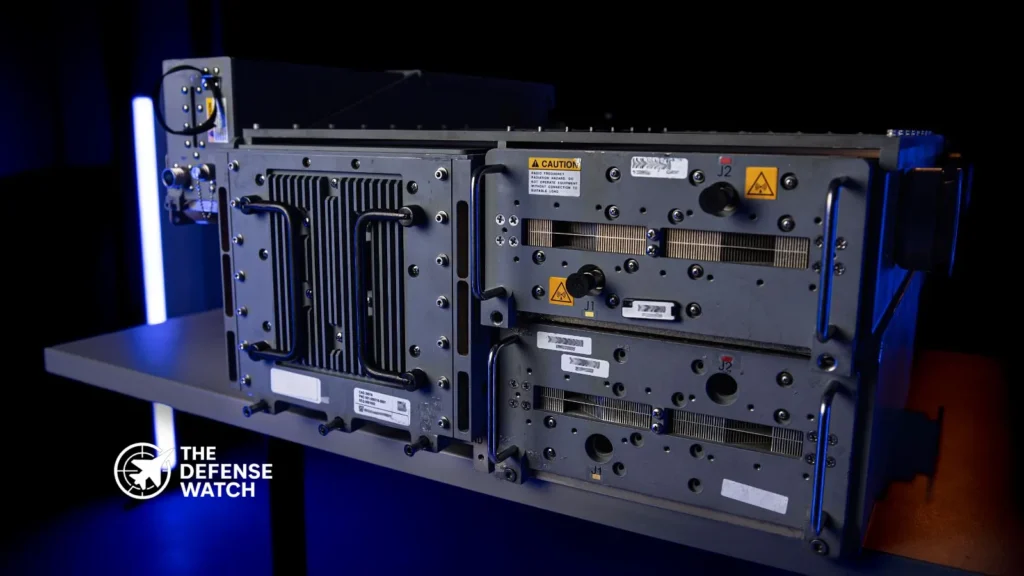
Both approaches aim to keep F-16 fleets ready against evolving radar threats, especially as fourth-generation fighters are called on to operate closer to sophisticated integrated air defenses. Planners see electronic warfare integration as critical to survivability and mission success.
Global relevance
The combination of advanced EW and radar is relevant to F-16 upgrade programs worldwide. Many operators upgrading to the Viper standard include modern AESA radar and electronic warfare enhancements. Several nations seek to align with U.S.-validated technologies to maintain interoperability and face near-peer threats.
Get real time update about this post category directly on your device, subscribe now.
