
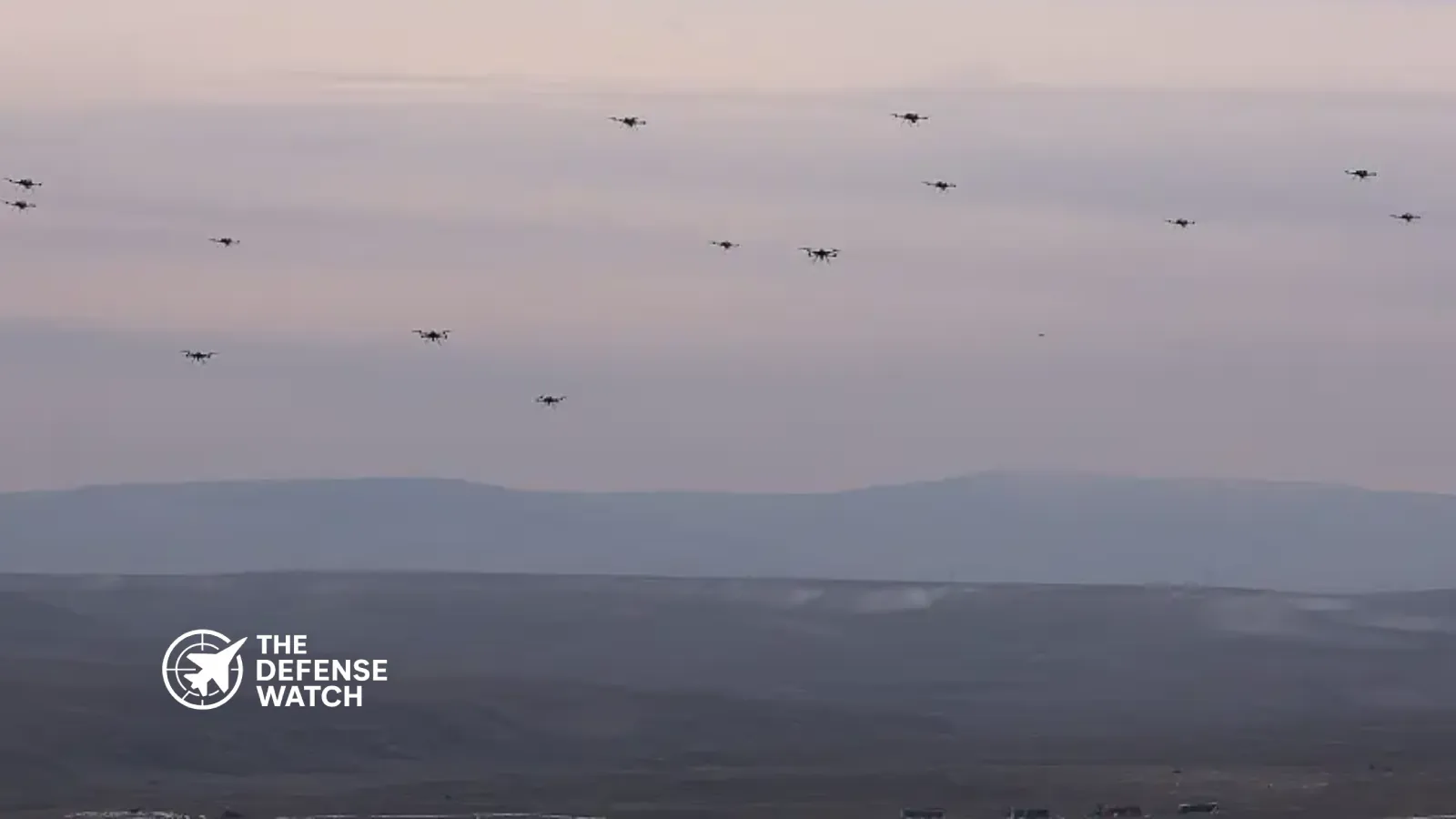
Türkiye completes first live fire drone swarm test
Türkiye has conducted its first live fire drone swarm operation using Kargu loitering munitions, marking a major milestone in the country’s autonomous weapons development. The test, executed by Turkish defense firm STM, involved the coordinated launch and strike of 20 Kargu systems operating as a single swarm.
According to STM, the live fire event demonstrated Türkiye’s ability to deploy multiple loitering munitions simultaneously, coordinate them autonomously, and engage designated targets under operational conditions.
A milestone for Türkiye’s drone swarm capability
The successful test represents the first confirmed instance of a live fire drone swarm attack conducted by Türkiye. While the country has previously demonstrated individual loitering munition launches and coordinated UAV operations, this event marks the first time multiple Kargu systems were used together in a synchronized strike scenario.
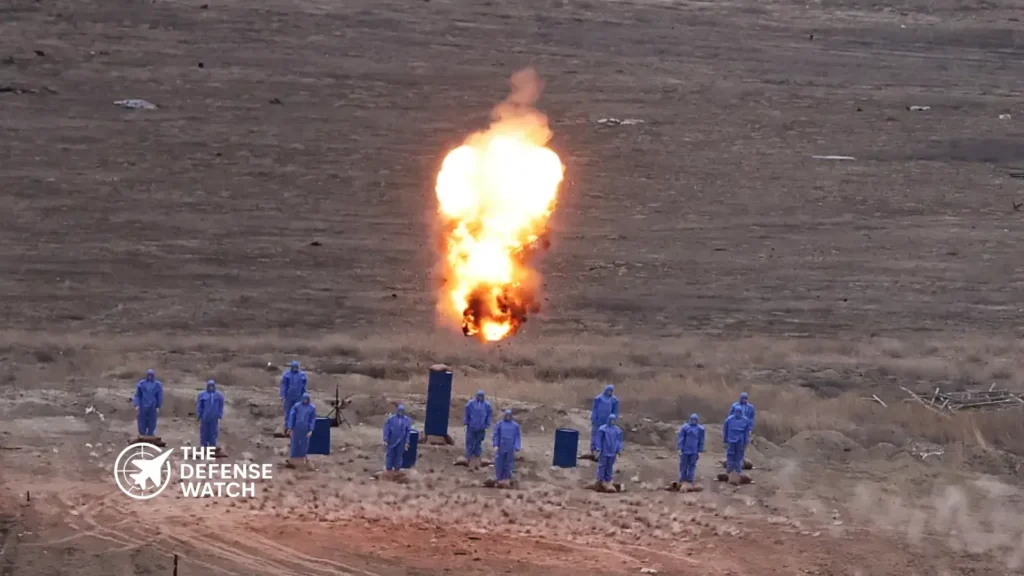
STM stated that the operation validated key elements of swarm warfare, including coordinated navigation, target assignment, and engagement timing. Each Kargu loitering munition was able to operate independently while remaining linked to the broader swarm architecture.
Defense analysts note that swarm capability is increasingly viewed as a critical component of future battlefield operations, particularly for suppressing air defenses, targeting mobile threats, and overwhelming traditional point defense systems.
Kargu loitering munition overview
The Kargu loitering munition is a man portable rotary wing system developed by STM for tactical use by ground forces. It is designed for intelligence, surveillance, reconnaissance, and precision strike missions.
Key characteristics of the Kargu system include vertical takeoff and landing capability, electro optical and infrared sensors, and a high explosive warhead optimized for anti personnel and light vehicle targets. The platform is designed to operate in both human in the loop and autonomous modes.
STM has previously confirmed that Kargu incorporates artificial intelligence based image processing and target recognition features, allowing it to operate in complex environments with limited operator input.
See also: Türkiye expands loitering munition production for special operations forces
How the drone swarm test was conducted
During the live fire demonstration, 20 Kargu loitering munitions were launched in a coordinated sequence. The systems reportedly shared mission data, deconflicted flight paths, and executed their strike profiles in a controlled manner.
While STM did not release detailed engagement parameters, the company confirmed that the swarm successfully completed its mission objectives and struck designated targets. The test also assessed communication resilience and mission continuity under simulated operational conditions.
Army Recognition reported that the exercise validated swarm level command and control, a key requirement for future autonomous operations.
Strategic implications for regional and global defense
Türkiye’s successful drone swarm test places it among a small group of countries actively testing live fire autonomous swarm capabilities. Defense experts view this as a significant step beyond traditional remotely piloted UAV operations.
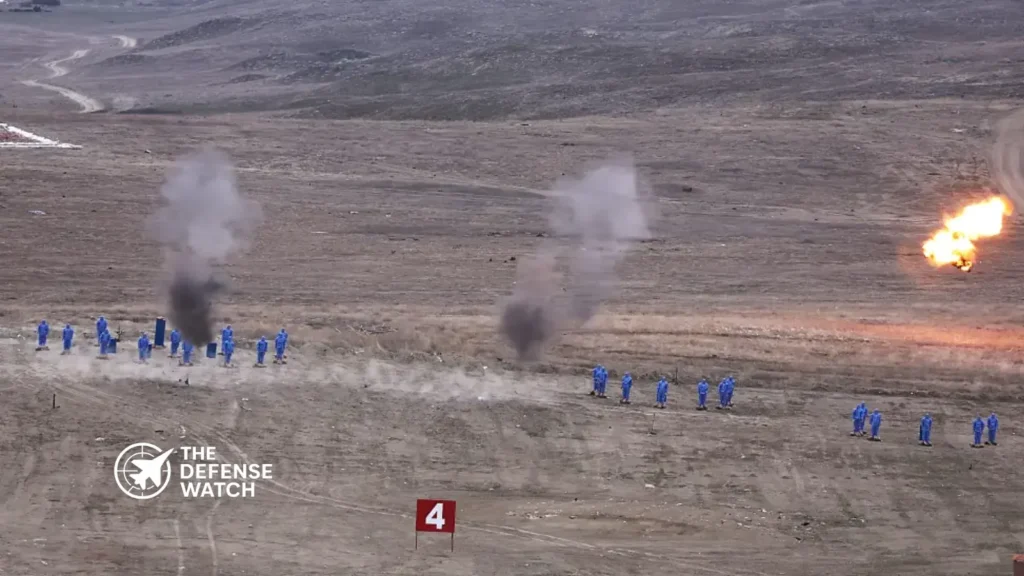
Swarm based loitering munitions offer several operational advantages, including redundancy, adaptability, and the ability to overwhelm defenses through mass and coordination. These systems are particularly relevant in contested environments where electronic warfare and air defense threats are present.
For NATO partners and regional actors, the demonstration highlights Türkiye’s continued investment in indigenous defense technologies and its growing role as a developer of advanced unmanned systems.
Ethical and operational considerations
The use of autonomous loitering munitions has drawn international attention due to concerns over human control and compliance with the laws of armed conflict. STM has previously stated that Kargu can be operated with human authorization and is designed to meet applicable legal and ethical standards.
The live fire swarm test did not indicate whether the systems were operating fully autonomously or under supervised control. However, defense observers emphasize that transparency around command authority will remain a key issue as swarm technologies mature.
Türkiye’s broader UAV modernization push
The drone swarm test aligns with Türkiye’s broader strategy to expand its unmanned systems portfolio across air, land, and maritime domains. Turkish firms have already gained international recognition for platforms such as Bayraktar TB2, Akinci, and Kizilelma.
STM’s work on Kargu and swarm technologies complements these efforts by focusing on tactical level autonomous strike systems intended for ground forces and special operations units.
As military planners worldwide increasingly prioritize unmanned and autonomous capabilities, Türkiye’s latest test underscores its ambition to remain competitive in this rapidly evolving field.
Get real time update about this post category directly on your device, subscribe now.
