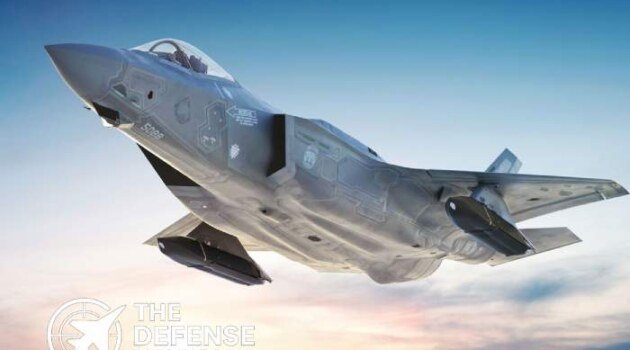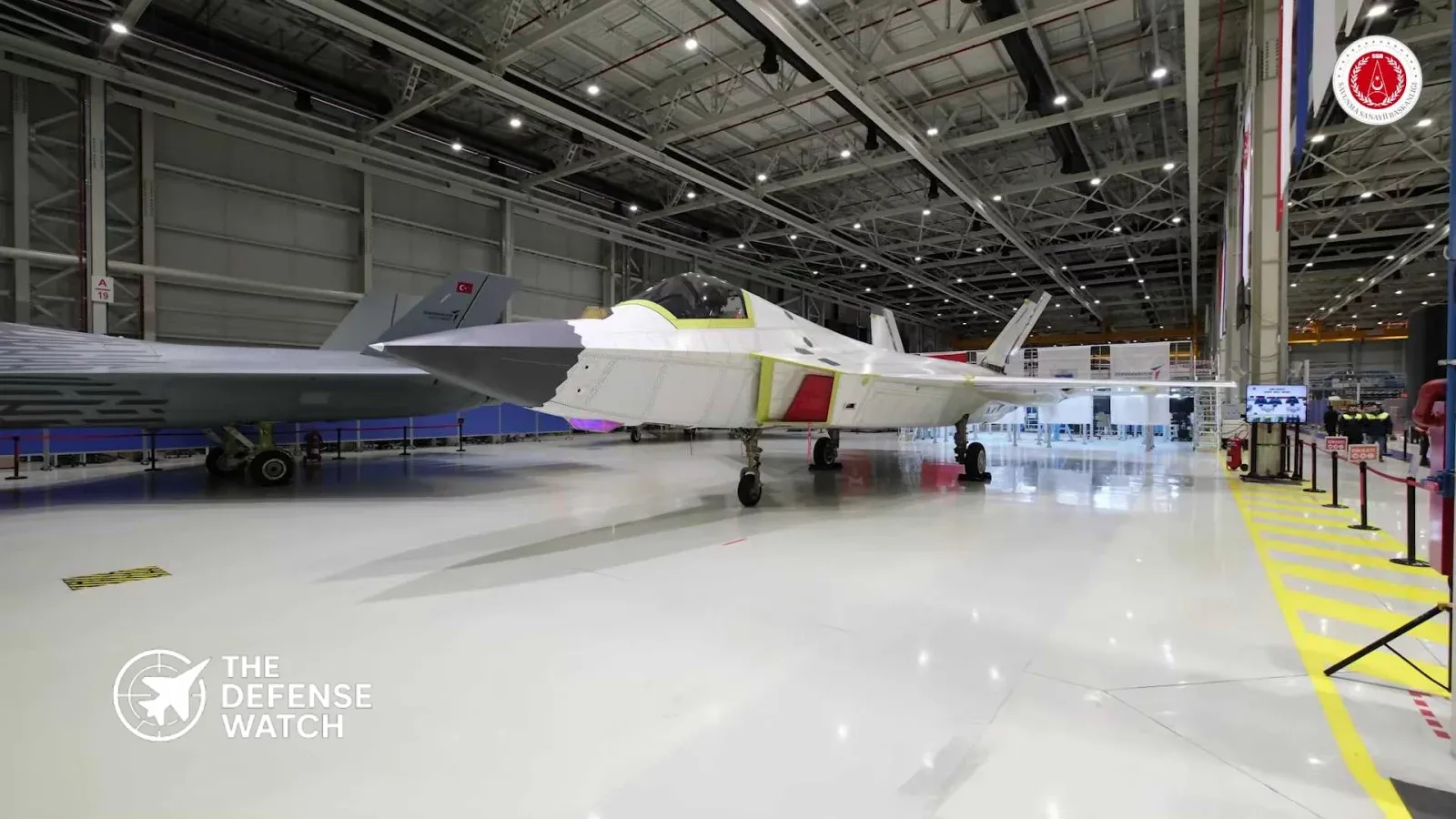
- ► Israeli newspaper Maariv reported that Spain is evaluating the Turkish KAAN fighter jet as part of its long term airpower planning.
- ► No official confirmation has been issued by Spain’s Ministry of Defense or Turkish Aerospace Industries.
- ► KAAN is Turkey’s indigenous fifth generation fighter program intended to replace the country’s F 16 fleet.
- ► The aircraft completed its maiden flight in 2024 and is currently in early flight testing.
- ► Spain operates EF 18 Hornets and Eurofighter Typhoons and participates in the Future Combat Air System program.
- ► European nations are reviewing next generation fighter options amid rising geopolitical tensions and modernization timelines.
- ► Any potential export of KAAN to a NATO member would carry strategic and industrial implications.
Spain Evaluating Turkish KAAN Fighter Jet, Israeli Media Claims
The Turkish KAAN fighter jet is reportedly being evaluated by Spain as part of Madrid’s long-term combat aircraft planning, according to a claim published by the Israeli newspaper Maariv.
The report states that Spain is assessing options beyond its current fleet as European nations accelerate efforts to field next-generation air combat systems. While no official confirmation has been issued by Madrid or Ankara, the claim highlights the growing international visibility of Turkey’s indigenous fifth-generation fighter program.
The development, if substantiated, would mark a notable moment for Turkey’s aerospace sector and for the evolving landscape of European fighter procurement.
Context: Europe’s Fighter Modernization Drive
Spain currently operates EF-18 Hornets and Eurofighter Typhoons and participates in the Future Combat Air System program led by France and Germany. However, European defense planning has become more fluid in recent years due to rising geopolitical tensions, budget pressures, and shifting industrial alliances.
Several European air forces are reviewing timelines, costs, and industrial participation frameworks tied to next-generation programs. In this context, external platforms such as the Turkish KAAN fighter jet are drawing attention, particularly as countries evaluate complementary or interim solutions.
The Maariv report suggests that Spain is monitoring KAAN as part of this broader review process. No procurement decision or formal request for information has been publicly disclosed.
What Is The Turkish KAAN Fighter Jet?
The Turkish KAAN fighter jet, developed by Turkish Aerospace Industries, is Turkey’s national combat aircraft program designed to replace the F-16 fleet in the coming decades.
The aircraft conducted its maiden flight in 2024 and is intended to feature:
- Low observable design characteristics
- Advanced avionics and sensor fusion
- Internal weapons bays
- Network centric warfare capability
Turkey positions KAAN as a fifth-generation platform, aligning it with aircraft such as the F-35 and other emerging stealth fighters. Engine development remains a key long-term milestone, with initial prototypes powered by foreign sourced engines while Ankara works toward indigenous propulsion solutions.
The Turkish government has consistently framed KAAN as both a sovereign capability project and a potential export platform.
European Interest And Strategic Implications
If Spain is indeed evaluating the Turkish KAAN fighter jet, it reflects several broader trends.
First, European nations are diversifying procurement options amid concerns over supply chains, cost growth, and industrial autonomy. Second, Turkey’s defense industry has expanded its footprint in recent years, particularly in unmanned systems and armored vehicles, increasing its credibility as an exporter.
From a geopolitical perspective, Spain considering a Turkish platform would carry industrial and alliance implications. Spain is a NATO member and part of joint European defense initiatives. Any movement toward a non EU fighter platform could influence trans European defense cooperation dynamics.
At the same time, evaluations do not necessarily translate into acquisition. Defense ministries routinely assess multiple platforms to benchmark capability, cost, and industrial return.
Official Silence And Verification
As of publication, neither the Spanish Ministry of Defense nor Turkish Aerospace Industries has confirmed the reported evaluation. The claim originates from Maariv, an Israeli publication, and has not been independently corroborated by official statements.
In defense reporting, early stage evaluations are common and often exploratory. Governments typically conduct feasibility reviews years before issuing formal tenders or requests for proposals.
Without confirmation from Madrid or Ankara, the reported Spanish interest in the Turkish KAAN fighter jet should be viewed as a preliminary assessment rather than a procurement commitment.
Analysis: Why KAAN Is Gaining Visibility
Roughly a third of Europe’s combat aircraft fleets will require replacement or major upgrades in the 2030s. Programs such as FCAS and the UK Italy Japan Global Combat Air Programme face long development timelines.
That gap creates space for alternative platforms to enter strategic discussions.
KAAN’s visibility is also tied to Turkey’s push for defense industrial independence following its removal from the F-35 program. Ankara has invested heavily in domestic aerospace capabilities, including radar systems, avionics, and weapons integration.
For potential buyers, three factors will likely determine interest:
- Program maturity and flight testing progress
- Engine roadmap and indigenous propulsion development
- Export framework, including technology transfer and industrial offsets
Spain’s reported evaluation, if accurate, may serve primarily as a comparative benchmark against European collaborative programs rather than a near-term acquisition plan.
Broader European Fighter Landscape
Spain’s current modernization path remains centered on Eurofighter upgrades and participation in FCAS. Any serious move toward the Turkish KAAN fighter jet would require alignment with NATO interoperability standards, sustainment infrastructure, and long term industrial partnerships.
European fighter procurement decisions are rarely made in isolation. They involve political, industrial, and alliance considerations as much as technical performance metrics.
The emergence of KAAN in European discussions underscores how the global fighter market is evolving, with more nations pursuing indigenous fifth-generation programs.
Conclusion
The reported Spanish evaluation of the Turkish KAAN fighter jet, as cited by Israeli media, signals growing international awareness of Turkey’s next-generation combat aircraft program.
However, no official confirmation has been issued, and there is no indication of a formal procurement process underway.
For now, the development highlights how Europe’s fighter modernization landscape remains dynamic, competitive, and strategically sensitive.
Get real time update about this post category directly on your device, subscribe now.