
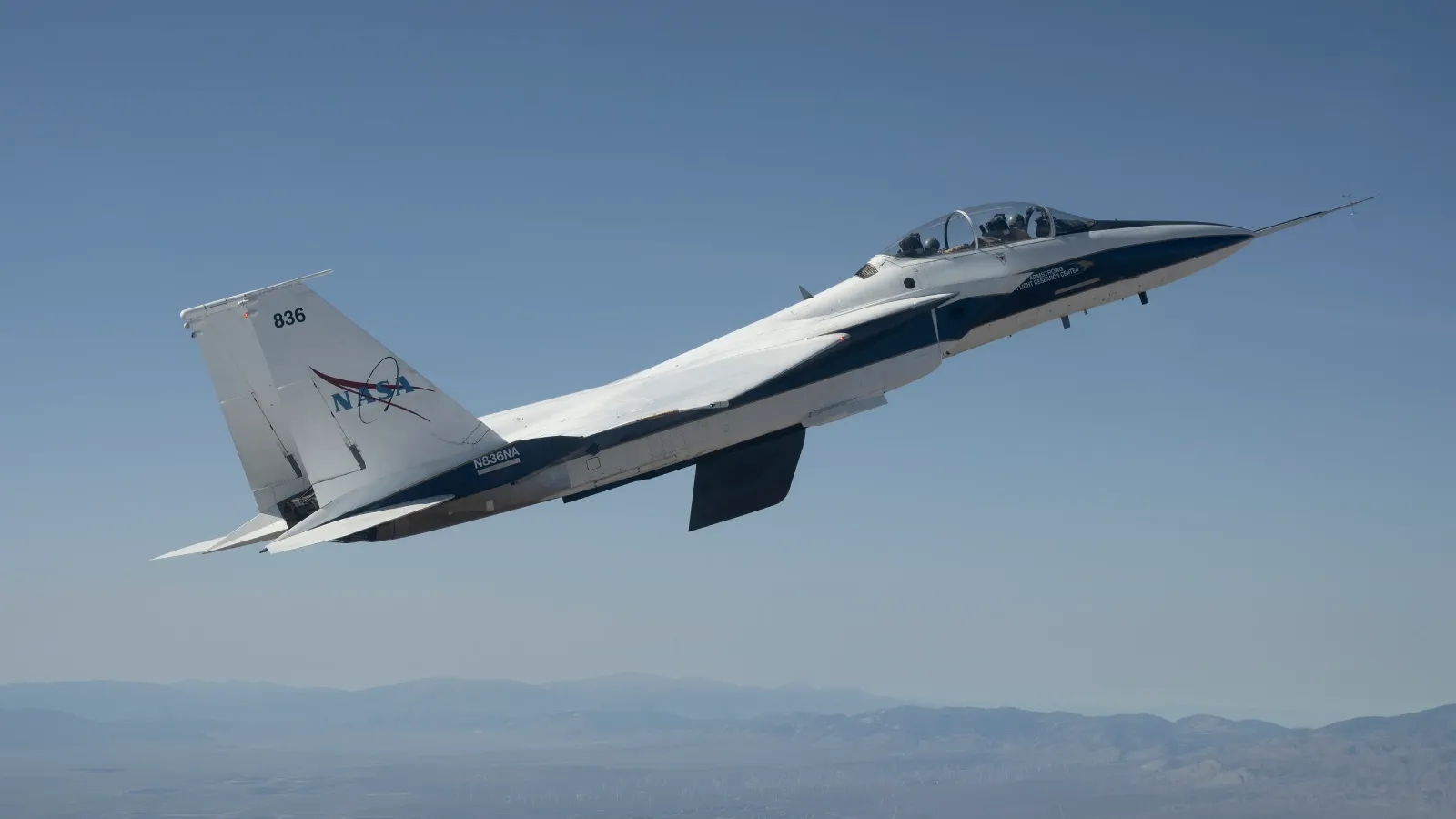
- ► NASA completed the first flight of its laminar flow scaled wing design demonstrator.
- ► The test evaluated aerodynamic performance aimed at reducing drag and fuel consumption.
- ► Laminar flow technology keeps airflow smooth over the wing surface to improve efficiency.
- ► The research supports long term goals for quieter, lower emission commercial aircraft.
- ► Data from the flight will guide future aircraft design and potential industry adoption.
NASA Completes First Flight Of Laminar Flow Scaled Wing Design
NASA’s laminar flow wing test reached a new milestone with the first flight of a scale model built to sustain smoother airflow over a wing surface, known in industry circles as laminar flow. That smoother airflow yields lower aerodynamic drag, which translates directly to reduced fuel use and operating costs for aircraft. This flight test matters because drag reduction is a long‑standing goal in aeronautics that affects both commercial and military aviation design competitiveness.
What NASA Tested
The experiment focused on a Crossflow Attenuated Natural Laminar Flow concept mounted beneath a NASA F‑15 research aircraft. While the test did not involve a full‑size wing on a large transport aircraft, the scaled model’s first flight showed that the CATNLF geometry could be carried in the air and subjected to flight conditions relevant to future designs.
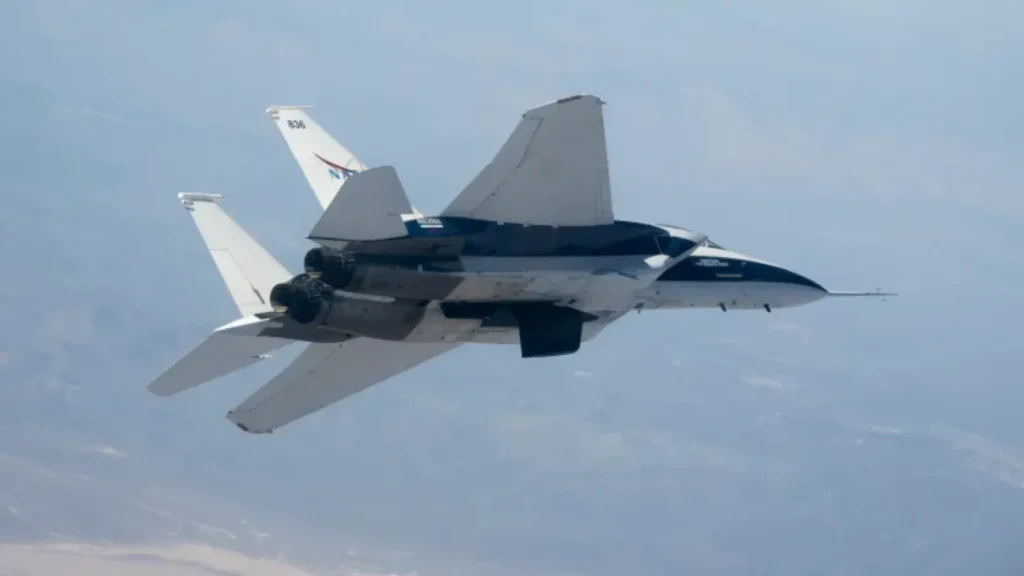
NASA and aerospace researchers have worked on laminar flow technologies for years because the drag created by turbulent flow across a wing surface still accounts for a major share of total aerodynamic resistance. Reducing that drag even a few percent can save millions in fuel for large operators.
Operational Impact
For commercial aviation, laminar flow wings promise tangible fuel efficiency gains. Independent analyses suggest laminar flow treatments on swept wings could reduce drag and fuel burn by about 7 to 10 percent versus conventional wings at cruise. That matters to airlines in a market where fuel remains one of the largest variable costs on long‑haul routes.
From a military perspective, the relevance depends on platform and mission. Transport and tanker aircraft used by the U.S. Air Force could benefit from efficiency gains in range and loiter time. For fighter and bomber fleets, the design challenges are different, but drag reduction still influences range and payload margins. No official U.S. defense program is publicly known to be adopting CATNLF directly, but the broader research can inform aerodynamic refinement in future tactical aircraft.
Strategic Implications
NASA’s aerodynamic research has historically fed into industry and defense innovations. Technologies that enable better fuel efficiency can influence aircraft lifecycle costs, emissions profiles, and logistics planning. In an era of constrained defense and airline budgets, even incremental performance improvements attract attention from program managers.
Comparatively, Airbus and other European aerospace entities have tested laminar flow wings on demonstrator aircraft in the past. Those efforts showed sustainable laminar flow can reduce overall drag, although industrializing such designs remains a challenge given sensitivity to surface imperfections and operational conditions.
Challenges and Next Steps
Laminar flow designs are sensitive to surface contamination, manufacturing tolerances, and environmental effects, such as ice or insect accumulation, which can disrupt the smooth flow and negate benefits. The technologies being tested aim to counter crossflow instabilities that typically force a transition to turbulent air early along the wing.
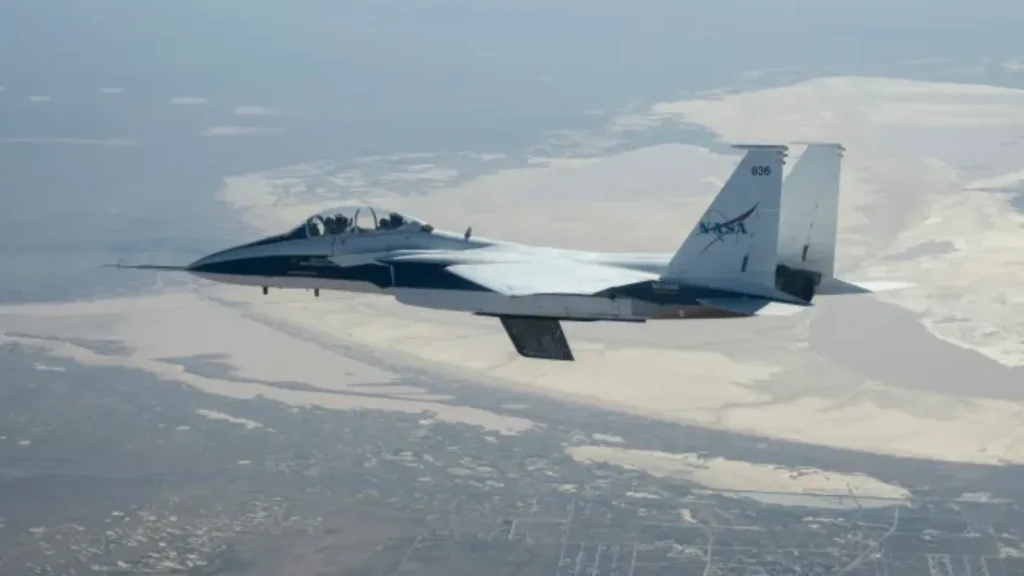
Future tests will need to demonstrate performance under a broader range of speeds and flight conditions. A scaled model test is a necessary early step but is not sufficient by itself to prove readiness for integration into operational aircraft.
Strategic Assessment
Military Balance: The direct effect on the military balance is limited at this stage. This is fundamental aerodynamic research rather than a new weapons system. However, improved efficiency in large military transports and tankers could subtly enhance operational reach and sustainment.
Defense Logistics: Fuel efficiency affects lifeline platforms such as cargo aircraft and air refueling tankers. Innovations in drag reduction may factor into future U.S. Air Force recapitalization choices if they mature into deployable systems.
Industrial Dimension: NASA’s work could inform U.S. aerospace industry competitiveness against European laminar flow programs. Early adoption of such technologies in commercial airframes strengthens the industrial base and provides a technological edge.
Budget Signals: Funding continued aeronautics research suggests ongoing investment in long‑term efficiency goals even as NASA balances other priorities. Results from CATNLF will shape decisions on scaling and potential partnerships with industry.
Get real time update about this post category directly on your device, subscribe now.
