India Approves 6 New P-8I Neptune Maritime Patrol Aircraft
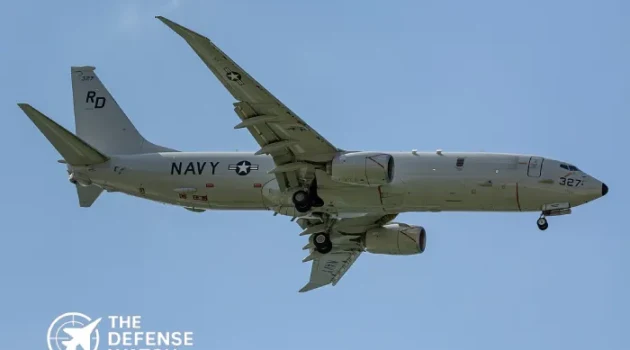
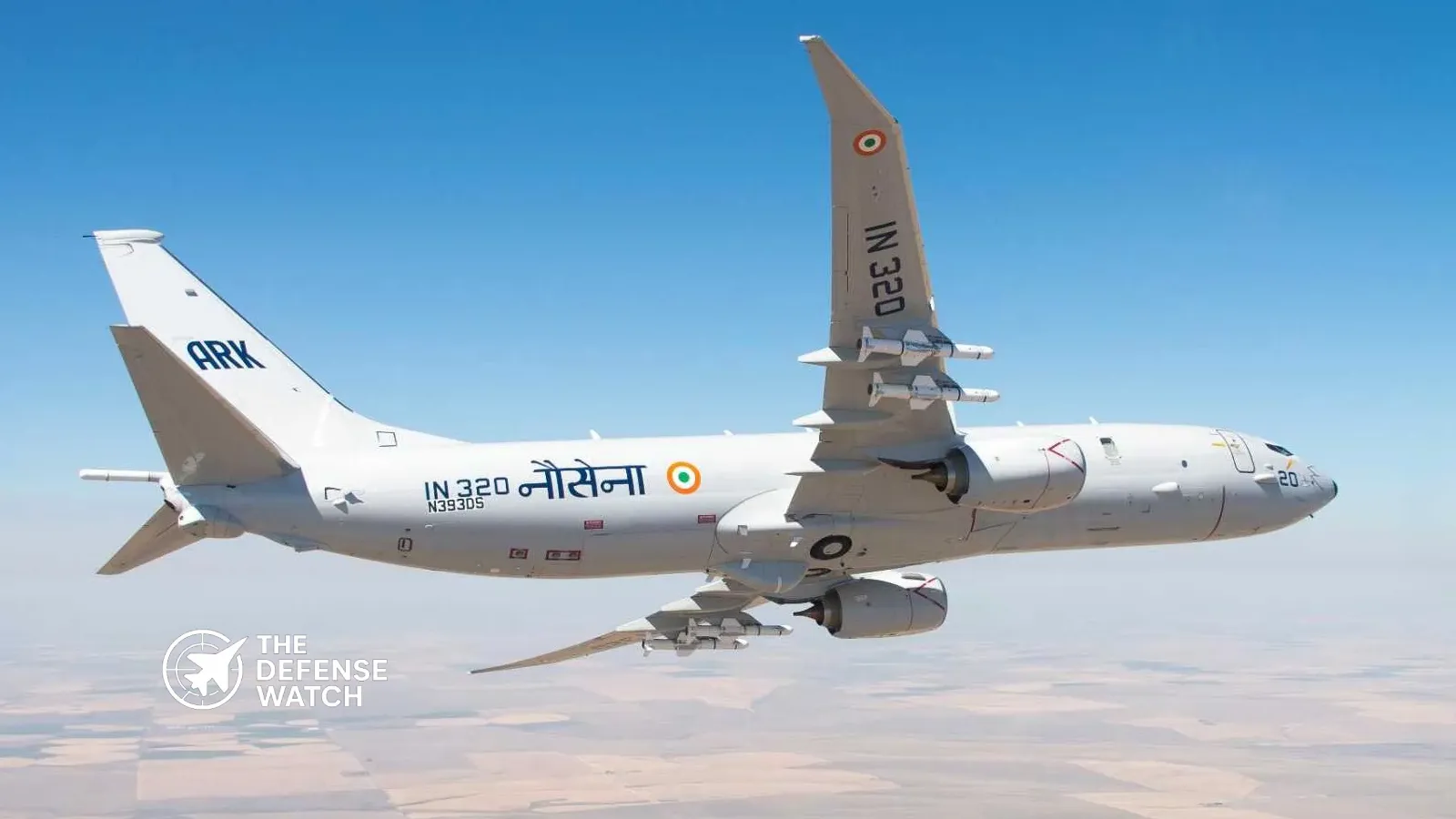
India has approved the purchase of six additional P-8I Neptune maritime patrol aircraft, expanding the Indian Navy’s long-range surveillance and anti-submarine warfare fleet in the Indian Ocean Region.
The decision was cleared by India’s Cabinet Committee on Security, marking another major step in New Delhi’s ongoing maritime modernization drive. The aircraft will be supplied by Boeing and are based on the proven Boeing P-8 Poseidon platform.
The move comes as India seeks to strengthen maritime domain awareness and anti-submarine warfare capabilities across the strategically critical Indo-Pacific.
Expanding India’s P-8I Fleet
The Indian Navy already operates 12 P-8I aircraft, making it one of the largest international operators of the platform outside the United States. With the addition of six more aircraft, the fleet will grow to 18, significantly expanding persistent coverage over the Arabian Sea, Bay of Bengal, and wider Indian Ocean Region.
The P-8I is a customized variant of the U.S. Navy’s P-8A Poseidon. It is designed for:
- Anti-submarine warfare
- Anti-surface warfare
- Intelligence, surveillance, and reconnaissance
- Maritime strike missions
The aircraft is equipped with advanced radar systems, electro-optical sensors, electronic support measures, and sonobuoy launch capabilities. It can deploy torpedoes and anti-ship missiles, providing both detection and engagement options.
The platform’s endurance and network-centric capabilities allow integration with surface ships, submarines, and shore-based command centers.
Strategic Context In The Indian Ocean
The Indian Ocean Region has seen increased naval activity in recent years. India’s maritime security planners have emphasized the need for continuous wide-area surveillance, especially along key sea lines of communication that handle a significant share of global trade.
By expanding its P-8I fleet, India strengthens its ability to monitor submarine movements, track surface vessels, and respond rapidly to emerging maritime contingencies.
The Indian Navy has frequently deployed P-8I aircraft for operational patrols and multinational exercises. The aircraft has also been used in humanitarian assistance and disaster relief missions, highlighting its multi-role utility.
Defense analysts note that long-range maritime patrol aircraft play a central role in anti-submarine warfare, particularly in tracking increasingly quiet diesel-electric and nuclear-powered submarines operating in the region.
Platform Overview: P-8I Neptune
The P-8I is derived from the commercial Boeing 737 airframe, adapted for military use. It features:
- Advanced maritime surveillance radar
- Acoustic processing systems for submarine detection
- Secure communications suites
- High-altitude and low-altitude operational flexibility
India’s variant includes certain indigenous and mission-specific systems tailored to Indian Navy requirements.
The aircraft’s combat radius and endurance allow extended patrols over vast maritime zones. Its ability to operate from land bases enables rapid response across multiple theaters.
Boeing has previously highlighted the P-8 platform’s interoperability benefits, particularly for nations operating alongside the United States and allied navies in the Indo-Pacific.
Defense Cooperation And Procurement Framework
India’s acquisition of additional P-8I aircraft reflects continued defense cooperation with the United States under established bilateral agreements.
The original P-8I contract was signed in 2009, with subsequent follow-on orders expanding the fleet. The new approval reinforces India’s reliance on established maritime platforms to meet evolving security requirements.
While financial details of the latest approval were not publicly detailed in initial reporting, previous P-8I acquisitions were conducted through government-to-government frameworks.
The expansion aligns with India’s broader naval modernization plan, which includes aircraft carriers, submarines, and advanced surface combatants.
Maritime Modernization And Force Posture
The Indian Navy continues to prioritize surveillance, anti-submarine warfare, and maritime strike capabilities. Long-range patrol aircraft serve as a critical component of this posture, complementing naval aviation assets and shipborne helicopters.
In recent years, India has increased participation in multinational naval exercises, including the Malabar exercise series. Enhanced maritime patrol capabilities support such engagements while improving real-time situational awareness.
See also: India Advances Indigenous Aircraft Carrier Development
The addition of six new P-8I aircraft will provide greater operational flexibility, redundancy, and surge capacity.
Broader Indo-Pacific Implications
The Indo-Pacific remains a focal point of global strategic competition. Maritime patrol aircraft provide persistent surveillance across chokepoints, shipping lanes, and contested waters.
With expanded P-8I capacity, India strengthens its maritime domain awareness architecture. This capability is widely regarded as essential for monitoring submarine deployments and safeguarding maritime trade routes.
The aircraft’s networked sensors and communication systems allow integration into joint and coalition operations, supporting broader regional stability objectives.
Feature Image Suggestion
High-resolution image of an Indian Navy P-8I Neptune aircraft in flight over the Indian Ocean, showing national markings and underwing stores.
Alt text: Indian Navy P-8I Neptune maritime patrol aircraft conducting surveillance over the Indian Ocean.
Get real time update about this post category directly on your device, subscribe now.