

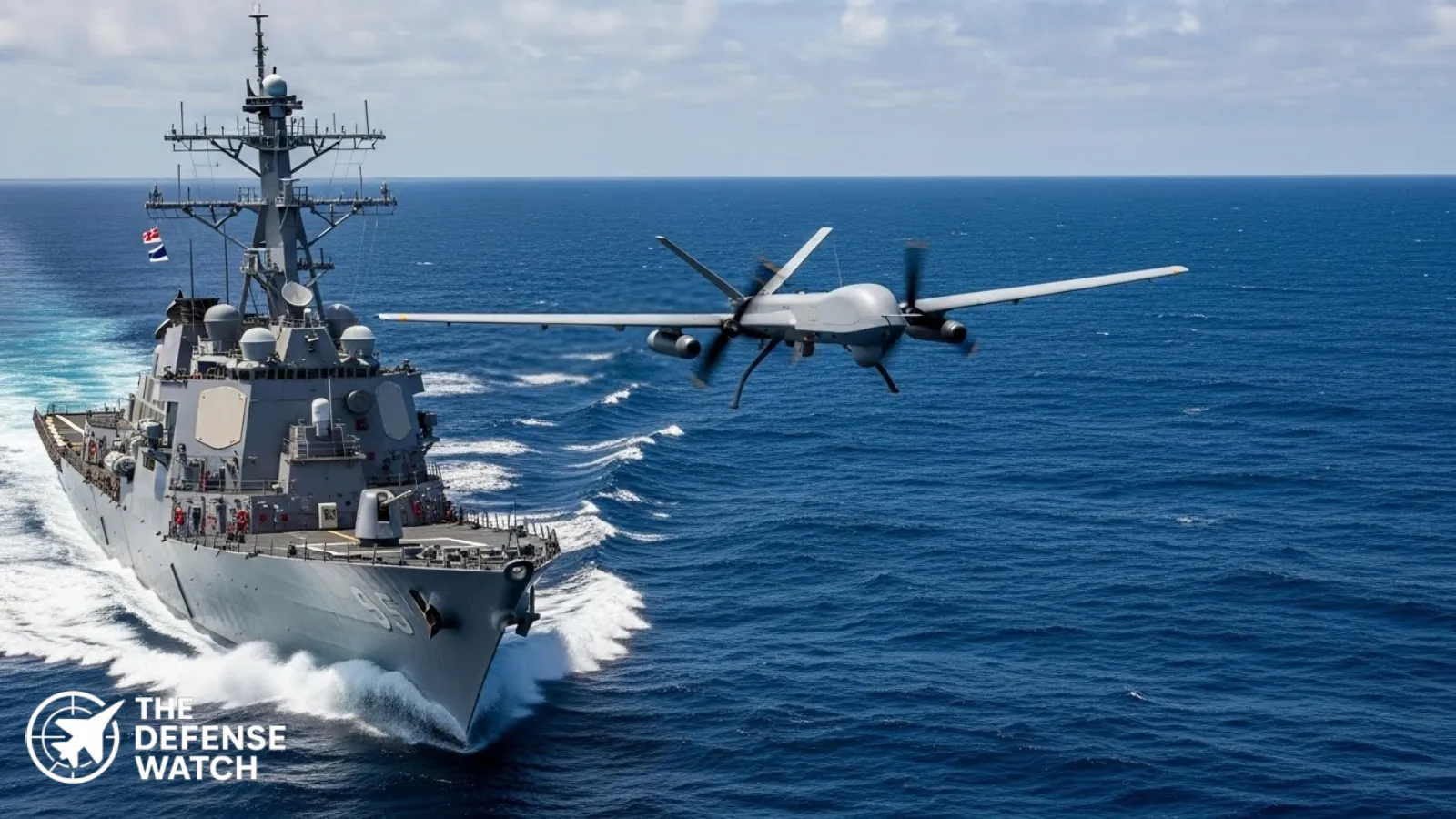
U.S. Navy Conducts First Ship Launched Suicide Drone Test at Sea
The U.S. Navy has successfully launched a suicide drone from a warship at sea for the first time, marking a major milestone in the service’s push toward expanded use of unmanned combat systems. The test took place earlier this month during fleet operations in the U.S. Central Command area of responsibility, according to Navy officials cited by Military Times.
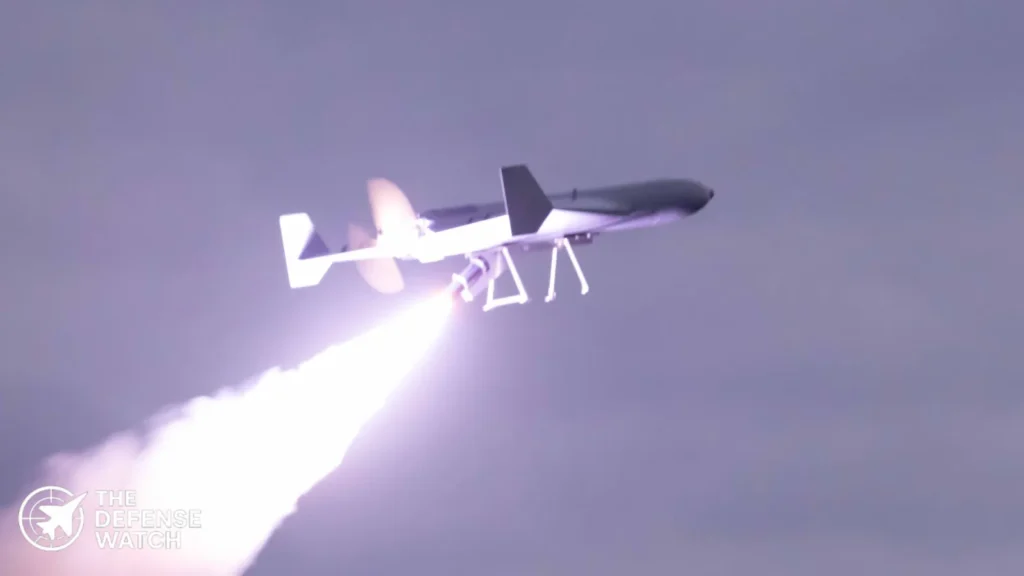
The demonstration involved a loitering munition, often referred to as a suicide drone, launched directly from a Navy surface combatant while underway. The drone was deployed, controlled, and recovered in a live maritime environment, validating the Navy’s ability to operate these systems from ships without relying on land based infrastructure.
Why the Test Matters for U.S. Naval Operations
The US Navy suicide drone launch represents a significant shift in how the Navy plans to conduct future maritime warfare. Loitering munitions combine surveillance and strike functions into a single system, allowing operators to search for targets before attacking them with onboard explosives.
Until now, U.S. Navy use of such systems has largely been experimental or land based. Launching a suicide drone from a ship at sea adds a new layer of flexibility for commanders, especially in contested regions where access to airfields may be limited or denied.
Naval planners have increasingly focused on distributed maritime operations, where smaller, more dispersed forces rely on unmanned systems to extend their reach. A Navy ship launched suicide drone fits directly into this concept.
Details of the Suicide Drone System
While the Navy did not publicly disclose the exact model used in the test, officials described it as a small, tube launched loitering munition designed for rapid deployment. The system can be stored compactly aboard surface ships and launched by sailors with minimal setup time.
According to the Navy, the drone demonstrated stable flight, reliable communications, and precise control from the ship. The test focused on launch procedures, command and control, and integration with shipboard combat systems rather than a live strike against a target.
This approach allows the Navy to refine operational concepts before moving toward more complex scenarios involving targeting and engagement.
Growing Demand for Ship Based Unmanned Weapons
The successful US Navy suicide drone launch comes amid growing interest in unmanned weapons across all branches of the U.S. military. Conflicts in Ukraine and the Middle East have highlighted the effectiveness of loitering munitions against both ground and maritime targets.
For the Navy, ship launched suicide drones offer several advantages. They can provide persistent surveillance beyond the horizon, respond quickly to emerging threats, and reduce risk to manned aircraft and crews. They also cost significantly less than traditional missiles, allowing ships to engage targets without expending high value weapons.
Navy officials have indicated that these systems could eventually be deployed across multiple ship classes, including destroyers, amphibious ships, and potentially even logistics vessels.
Policy and Expert Perspective
Defense analysts view the Navy ship launched suicide drone test as a logical step in adapting to modern threat environments. Potential adversaries are investing heavily in anti ship missiles, electronic warfare, and air defense systems designed to keep U.S. forces at a distance.
By fielding loitering munitions at sea, the Navy gains a tool that can operate below traditional radar thresholds and complicate enemy defenses. Experts also note that these drones can support missions ranging from maritime security to high end conflict without requiring major changes to ship design.
At the policy level, the test aligns with Department of Defense guidance emphasizing rapid adoption of unmanned and autonomous systems. Recent budget documents have prioritized experimentation and fielding of low cost, attritable platforms that can be deployed in large numbers.
What Comes Next for Navy Suicide Drones
Following the successful demonstration, the Navy is expected to conduct additional tests to expand the system’s capabilities. Future trials may include coordinated operations with other drones, integration with strike planning tools, and simulated combat scenarios.
Officials have not announced a timeline for operational deployment, but the Navy has made clear that unmanned systems will play a central role in future fleet operations. The US Navy suicide drone launch from a ship at sea is likely to inform procurement decisions and doctrine development in the coming years.
As global maritime competition intensifies, the ability to launch and control suicide drones from warships could become a standard feature of U.S. naval power.
