

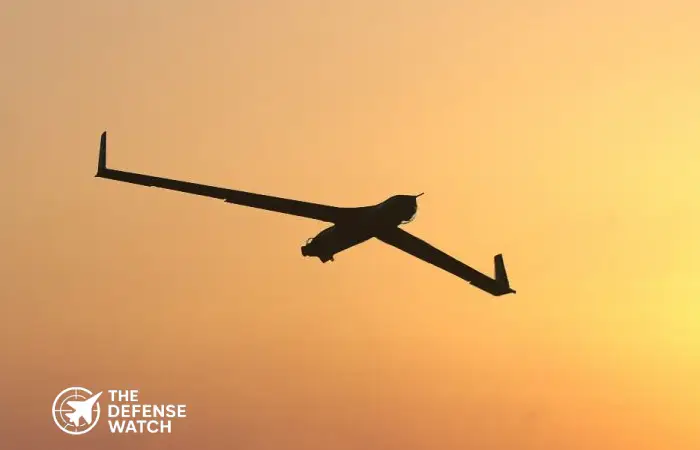
At Expodefensa 2025 — the premier defense exhibition in Latin America held in Bogotá from 1–3 December 2025 — the Colombian delegation formally highlighted the deployment of Boeing/Insitu MQ-27 ScanEagle drones to strengthen the nation’s maritime surveillance and intelligence-gathering capabilities.
Background: Why ScanEagle matters for Colombia’s naval ambitions
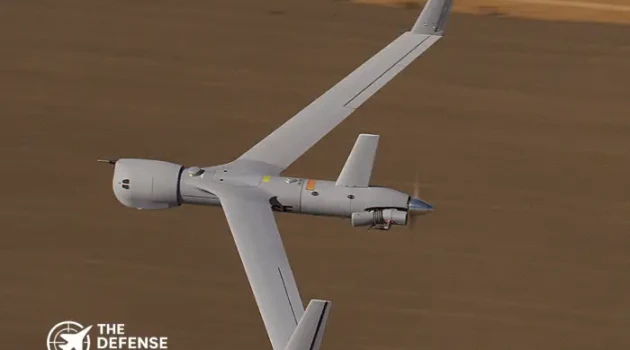
ScanEagle is a long-endurance, fixed-wing unmanned aerial system (UAS) developed by Insitu (a subsidiary of Boeing), designed to deliver persistent imagery and reconnaissance over land and sea. It can operate at altitudes up to approximately 5,943 meters and loiter for more than 24 hours per mission depending on configuration.
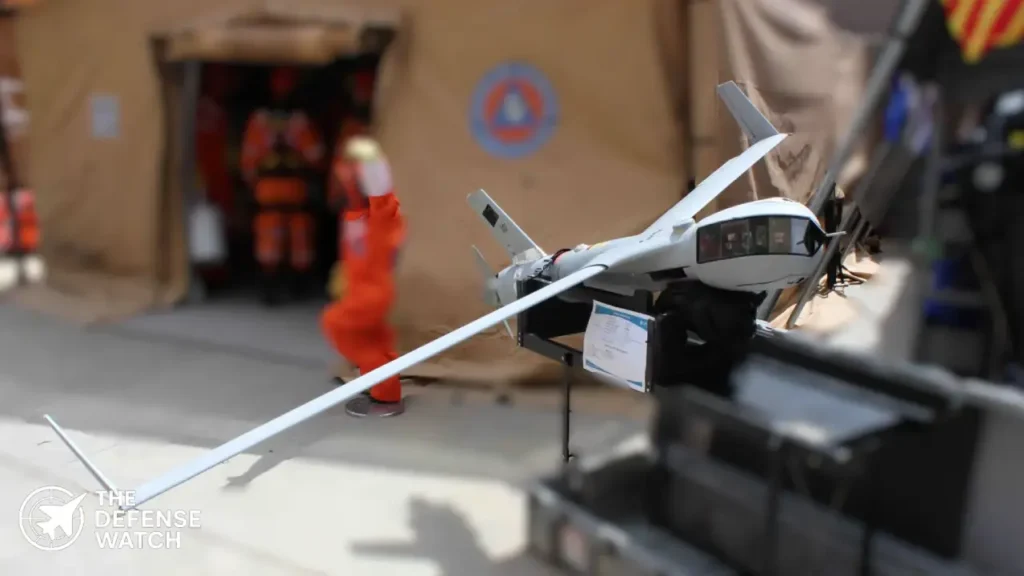
For navies and maritime forces with wide coastal zones or remote areas of operation, ScanEagle — with its runway-free launch via catapult and “SkyHook” recovery system — has emerged as a cost-effective, flexible ISR (intelligence, surveillance, reconnaissance) asset.
In recent years, Colombia has faced persistent security challenges: monitoring its extensive Caribbean and Pacific coasts, controlling illicit trafficking, safeguarding maritime and coastal infrastructure, and maintaining domain awareness over vast maritime zones.
Deploying ScanEagle offers a way to bridge surveillance gaps, project persistent presence over sea lanes and coastal zones, and gather actionable intel with reduced operational cost compared to crewed aircraft or larger UAVs.
What Colombia revealed at Expodefensa 2025
Focus on maritime surveillance and coastal intelligence
At Expodefensa 2025, Colombian defense officials underscored ScanEagle’s value for maritime domain awareness. The drone was presented as a central enabler for surveillance over Colombia’s coastal waters — offering sustained ISR coverage to support naval operations, counter-smuggling, anti-trafficking, and protection of economic zones.
While the official brief at the expo did not publicly disclose the fleet size, the emphasis suggests a renewed naval push to integrate unmanned aerial surveillance within a broader maritime security strategy.

Proven platform with demonstrated operational success
ScanEagle is not new to maritime operations in the region. The platform has seen shipborne deployments globally and is already in service with navies and coast guards.
Moreover, in Colombia’s context, its deployment by the Colombian Navy has reportedly supported operations against illicit maritime trafficking and organized crime — reinforcing its role beyond mere demonstration.
Technical strengths stressed by exhibitors
According to the manufacturer, ScanEagle’s advantages include:
- Long endurance and persistent imagery collection over maritime or coastal zones — critical in expansive coastal areas.
- Runway-independent launch and recovery (catapult launch, SkyHook recovery) enabling operation from ships or austere bases — ideal for Colombia’s diversified maritime and riverine environments.
- Flexibility in payloads: stabilized electro-optical (EO), infrared sensors, and ability to adapt for various mission profiles — from maritime patrol to search-and-rescue or border control.
At the expo, defense officials suggested that acquiring or reaffirming ScanEagle units is part of a broader plan to deepen Colombia’s maritime domain awareness without incurring the high cost or risk of crewed patrol aircraft.
Strategic and policy implications
Strengthening maritime sovereignty and security posture
With ScanEagle now explicitly promoted as part of Colombia’s naval toolkit, the country signals an intent to reinforce surveillance over its coastlines. This bears significance given growing concerns about illicit trafficking, smuggling, illegal fishing, and security threats in Latin American maritime zones. The platform’s endurance and flexibility enable long-range surveillance, early warning, and intelligence collection — tools that are increasingly vital in modern maritime security.
Cost-effective ISR solution for a middle-income nation
Compared with crewed patrol aircraft or high-end MALE (medium-altitude long-endurance) drones, ScanEagle offers a relatively affordable way to provide persistent ISR coverage. For Colombia — balancing budget constraints and broad security needs — this makes unmanned solutions like ScanEagle especially attractive.
Integration within a broader naval modernization trend
The renewed focus on ScanEagle coincides with broader naval procurement and modernization moves presented at Expodefensa 2025, including new patrol vessels and unmanned maritime assets. For example, the unveiling of advanced offshore patrol vessels demonstrates a shift toward building a layered maritime surveillance and response capability.
What’s next: Challenges and possible developments
While ScanEagle offers substantial benefits, deployment at scale poses operational and logistical challenges: maintaining UAS infrastructure, training crews for launch/recovery procedures, integrating data into naval command-and-control systems, and ensuring persistence.
Looking ahead, Colombia may consider complementing ScanEagle with additional UAV or unmanned surface vessel (USV) assets to build a multi-domain maritime ISR network. At the same time, sustaining long-term operations will likely require institutional commitment, budget allocation, and robust maintenance and data-handling frameworks.

2 comments
[…] Open-source tracking showed the MQ-4C remaining on station for about nine to ten hours before leaving coverage. The aircraft flew a classic “lawnmower” grid pattern designed for wide-area maritime search and surveillance. […]
[…] Vice Admiral Sir Mike Utley. Utley’s tenure as head of MARCOM was noted for operational focus and strengthening maritime collaboration across alliance […]