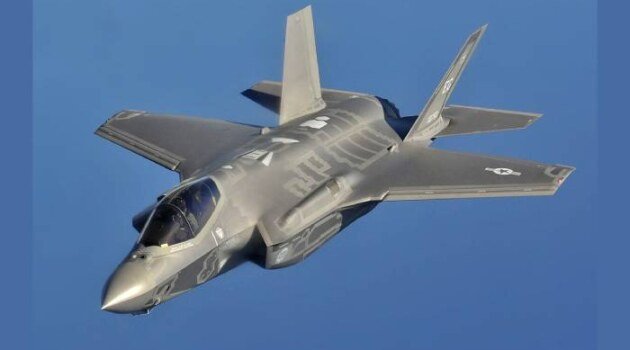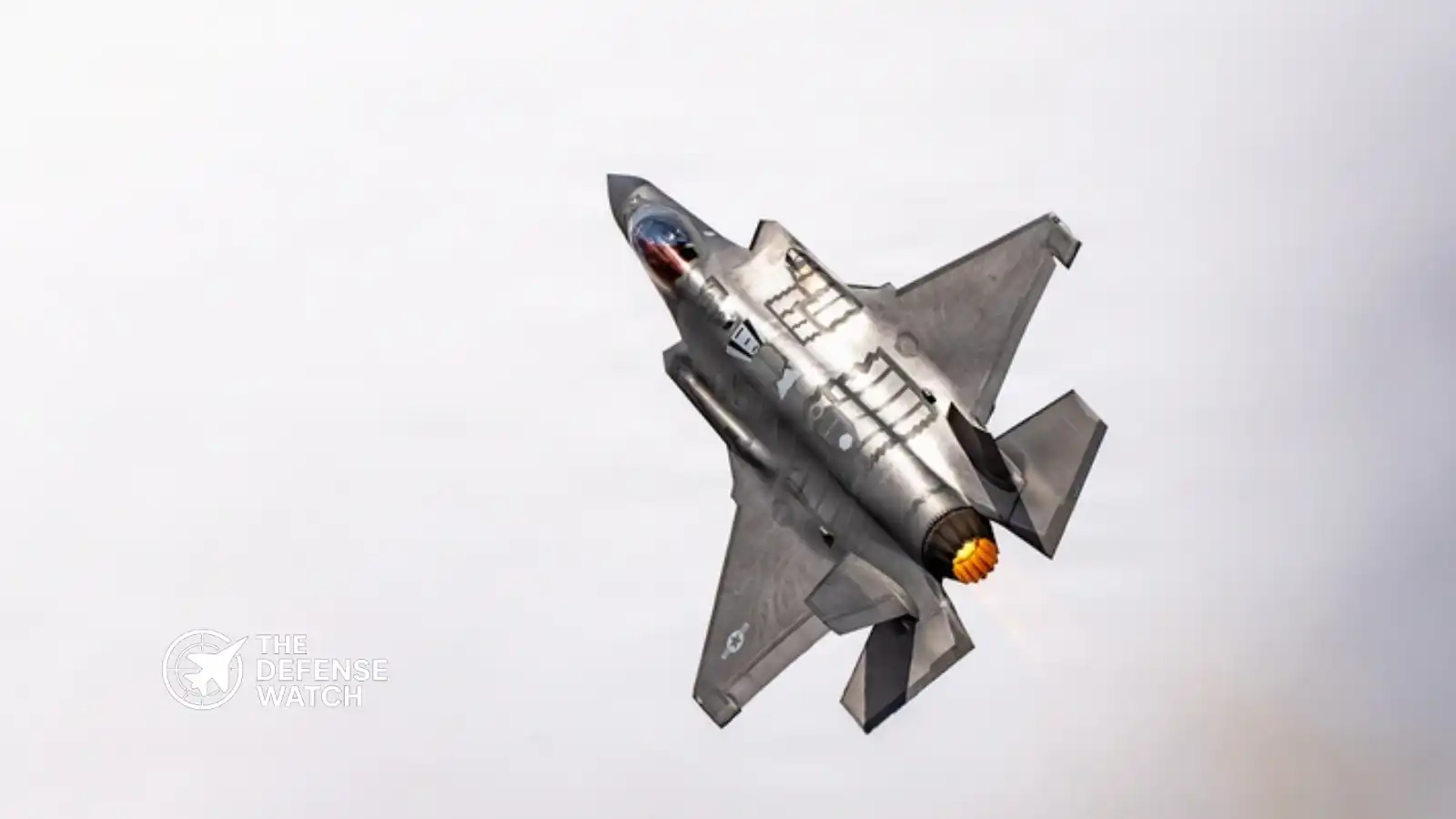
The U.S. Air Force is planning for a fighter force of 1,509 combat-coded aircraft by 2035, with the F-35A Lightning II expected to account for a larger share of the fleet as the service modernizes its combat aviation force.
The projection, discussed by Lt. Gen. David Tabor, the Air Force’s deputy chief of staff for plans and programs, reflects an updated assessment of future operational requirements. According to Defence Industry Europe, reporting based on coverage by Air & Space Forces Magazine, the service’s force structure report was submitted to Congress on October 16, 2026, but was not publicly released in full.
The target would increase the projected inventory of combat-coded fighters from an estimated 1,271 in 2026 to 1,509 in 2035. The Air Force also expects the F-35A’s share of its fighter fleet to rise from approximately 30% to around 40%, although the projection remains dependent on future budgets, aircraft deliveries and changes to operational requirements.
The figures describe a planned force structure, not the number of fighters currently available for combat. Combat-coded aircraft are assigned to operational combat units, but the total does not mean every aircraft will be mission-ready at a given moment.
Why the Air Force wants a larger fighter force
The projected expansion reflects the challenge of replacing aging fighters while maintaining enough aircraft for operational deployments, training and contingency planning.
The Air Force operates several generations of combat aircraft, including the F-35A, F-22, F-15 and F-16. These aircraft have different roles, capabilities and remaining service lives. Modernization requires the service to introduce newer platforms without creating a shortfall as older aircraft retire.
The revised 2035 projection reportedly increases the previous 2030 fighter target by 140 aircraft. The additional capacity is spread across the F-35, F-15EX and the F-47, the Air Force’s planned next-generation crewed fighter.
A larger fleet would give commanders more aircraft to allocate across competing operational demands. However, the number of aircraft purchased is only one part of the requirement. Personnel, maintenance facilities, spare parts, weapons stocks, training capacity and operating budgets also determine how much combat power the service can generate.
How the projected fighter fleet could change
The Air Force’s reported 2035 force mix would place the F-35A at the center of its tactical fighter inventory, while retaining upgraded fourth-generation aircraft and introducing the F-47.
Projected U.S. Air Force fighter mix in 2035
Approximate shares reported by Air & Space Forces Magazine. The figures exclude A-10 aircraft.
F-35A Lightning II 40%F-22 and F-47 combined 20%F-15 variants 20%F-16 Fighting Falcon 20%The F-35A’s projected share would increase by about 10 percentage points compared with its reported current share of approximately 30%. The combined F-22 and F-47 category would also rise from about 10% to 20%, reflecting the planned transition from the F-22 Raptor to the next-generation F-47.
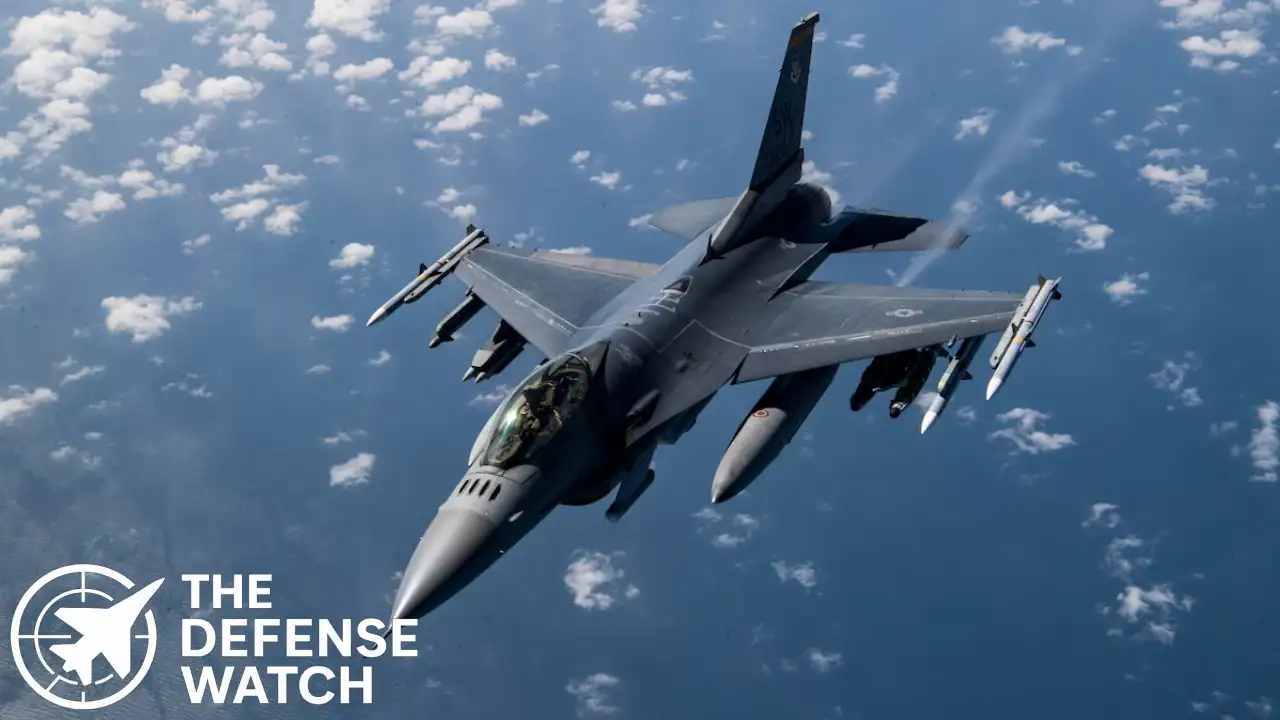
The F-15 and F-16 would remain important components of the force. The F-15EX provides a modernized multirole fighter option, while the F-16 continues to contribute to the Air Force’s operational fleet. Retaining these aircraft alongside newer platforms gives the service a mixed force rather than one built around a single fighter type.
The projected percentages describe the overall fighter mix, not an exact count for each aircraft type. The final distribution will depend on procurement decisions, retirement schedules, aircraft availability and the pace at which the F-47 enters service.
Procurement remains the immediate constraint
The Air Force’s fiscal 2027 budget request proposes purchasing 38 F-35s and 24 F-15EX fighters, for a combined total of 62 aircraft. The service has previously indicated that it needs to buy approximately 72 fighters annually to replace retiring aircraft and modernize its fleet at the desired pace.
The funding structure adds another complication. According to the reporting on Tabor’s briefing, procurement funding for 14 of the proposed F-35s depends on $2.34 billion sought through budget reconciliation. If that funding is unavailable, the Air Force could redirect money from other capabilities or delay those purchases.
The difference between planned purchases and the service’s stated annual requirement matters over a decade-long modernization program. Delayed orders can affect production planning, aircraft delivery schedules and the retirement of older fighters.
The Air Force is also seeking congressional approval for multiyear procurement agreements for the F-35 and F-15EX. Longer commitments could help manufacturers plan production and suppliers invest in capacity, although such agreements would not by themselves guarantee delivery rates or resolve every supply-chain constraint.
The fiscal 2027 budget remains a proposal subject to congressional action. It should not be treated as funding already approved for every aircraft included in the request.
The F-35’s expanding role brings a readiness challenge
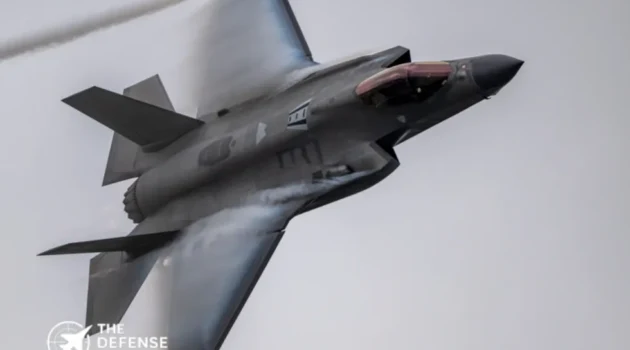
A larger F-35A fleet would give the Air Force more fifth-generation aircraft for missions requiring a combination of low observability, sensor integration and advanced avionics. Those features are intended to help the aircraft operate in contested airspace, but their operational value depends on mission planning, weapons availability, training and support from other forces.
The service must also sustain the aircraft it already operates. A June 2026 report by the U.S. Government Accountability Office (GAO) found that F-35 sustainment performance had deteriorated as the fleet grew.
Across all U.S. military F-35 variants, the mission-capable rate fell from 67% in fiscal 2021 to 44% in fiscal 2025. The full mission-capable rate, which measures whether an aircraft can perform all its assigned missions, declined from 38% to 25% over the same period. These are fleetwide figures, not F-35A-only results.
The GAO identified problems involving spare-parts availability, repair capacity, maintenance processes and contractor support. It also reported that the F-35 Joint Program Office’s updated sustainment strategy requires an estimated additional $13.7 billion through fiscal 2031, beyond previously planned spending.
Those findings are directly relevant to the 2035 fleet objective. Buying more aircraft without improving their availability could leave the Air Force with a larger inventory but less usable combat capacity than the nominal fleet size suggests.
The readiness figures do not establish that the proposed force expansion is unachievable. They do show that sustainment funding, maintenance performance and industrial capacity must be considered alongside procurement totals.
Where the F-47 and Collaborative Combat Aircraft fit
The projected fleet also reflects the Air Force’s effort to introduce newer capabilities while retaining enough existing fighters to meet near-term requirements.
The F-47 is intended to replace the F-22 over time. The reported plan envisages roughly equivalent numbers of operational aircraft in the two generations, with the combined category accounting for about one-fifth of the fighter force in 2035. This is a planning projection, not confirmation that the F-47 will reach a particular operational fleet size by that date.
Collaborative Combat Aircraft, or CCA, add another variable. These are autonomous or highly automated aircraft being developed to operate alongside crewed combat aircraft. Depending on their eventual capabilities and operational concepts, they could provide additional capacity for missions such as sensing, electronic warfare or weapons delivery.
However, the Air Force’s current fighter-force projection does not yet reduce the stated requirement for crewed fighters to account for the planned CCA fleet. Tabor indicated that advances in autonomous aircraft could influence future force structure assessments.
That distinction matters. CCA aircraft may eventually change how the Air Force distributes missions between crewed and uncrewed platforms, but their contribution will depend on technical maturity, procurement, command-and-control systems and performance in operational conditions.
What the 2035 target actually tells us
The 1,509-aircraft figure provides a clearer indication of the scale of the Air Force’s stated fighter requirement, but it does not settle how the service will pay for or deliver the planned fleet.
The estimate was based on updated assessments of combatant commanders’ requirements. Tabor also said the analysis began before the U.S. military’s operations against Iran earlier in 2026, according to the published reporting. That suggests the projection was not developed solely in response to that conflict.
Several questions remain open: whether Congress will provide the requested procurement funding, whether manufacturers can meet higher production demands, and whether the Air Force can improve F-35 availability while expanding the fleet.
The central issue is not simply whether the Air Force can reach 1,509 combat-coded fighters by 2035. It is whether the service can equip, maintain and crew enough of those aircraft to meet its operational requirements while transitioning to the F-47 and introducing uncrewed systems.