• Home
  • About
  • Defense Systems
  • Manufacturer
  • Comparisons
  • Compare 
  • Tools
TheDefenseWatch.com
  • Aerospace & Aviation
  • Military & Ordnance
  • Naval & Maritime
  • Cyber & Space Defense
  • Policy & Strategy
  • Global News
  • Tools Library
    • Smart Calculator
    • Drone Flight Time Calculator
    • Drone Range Calculator
    • Counter-Drone Jammer Effective Range Calculator
    • Counter-Battery Radar Detection Calculator
    • Artillery Fire Correction Calculator
    • Thermal Camera Detection Range Calculator
    • Missile Range & Time-of-Flight Calculator
    • Radar Detection Range Calculator
    • FPV Strike Drone Payload vs Range Calculator
    • Loitering Munition Endurance Calculator
    • Sniper Ballistic Drop & Windage Calculator
    • Bullet Drop Calculator
    • U.S. Army Combat Fitness Test (ACFT) Calculator
    • Military Pension Calculator
    • Military Retirement Calculator
    • Military Pension Calculator
    • Large Number Calculator
Font ResizerAa

TheDefenseWatch.com

The Defense Watch | U.S. & Global Defense News, Analysis & Military Updates

Search
  • Home
  • About
  • Defense Systems
  • Manufacturer
  • Comparisons
  • Compare 
  • Tools

Stay Updated

Get the latest update

Subscribe

Explore

  • Drone
  • Fighter Jets & Military Aircraft
  • Hypersonic Weapons
  • Aircraft Carriers
  • Strategic History & Missions
  • Tools Library
Home » U.S. Moves To Strike Iran Backed Militias In Iraq As Regional Conflict Intensifies
Middle East Defense & Security

U.S. Moves To Strike Iran Backed Militias In Iraq As Regional Conflict Intensifies

Kaleem Sheikh | Regional Defense Correspondent
Last updated: September 7, 2026 2:10 am
Kaleem Sheikh | Regional Defense Correspondent
Share
2 Min Read
U.S. Saudi strikes Iraq
SHARE

Executive Summary:

The United States and Saudi Arabia conducted coordinated precision strikes against Iran backed armed groups in Iraq on July 28 after Washington said the groups were directed by Iran’s Islamic Revolutionary Guard Corps (IRGC) to attack U.S. personnel and Saudi energy infrastructure. The operation marks another escalation in the widening regional conflict and highlights growing military cooperation between Washington and Riyadh against Iranian aligned networks.

U.S. And Saudi Forces Strike Iran Backed Militias In Iraq

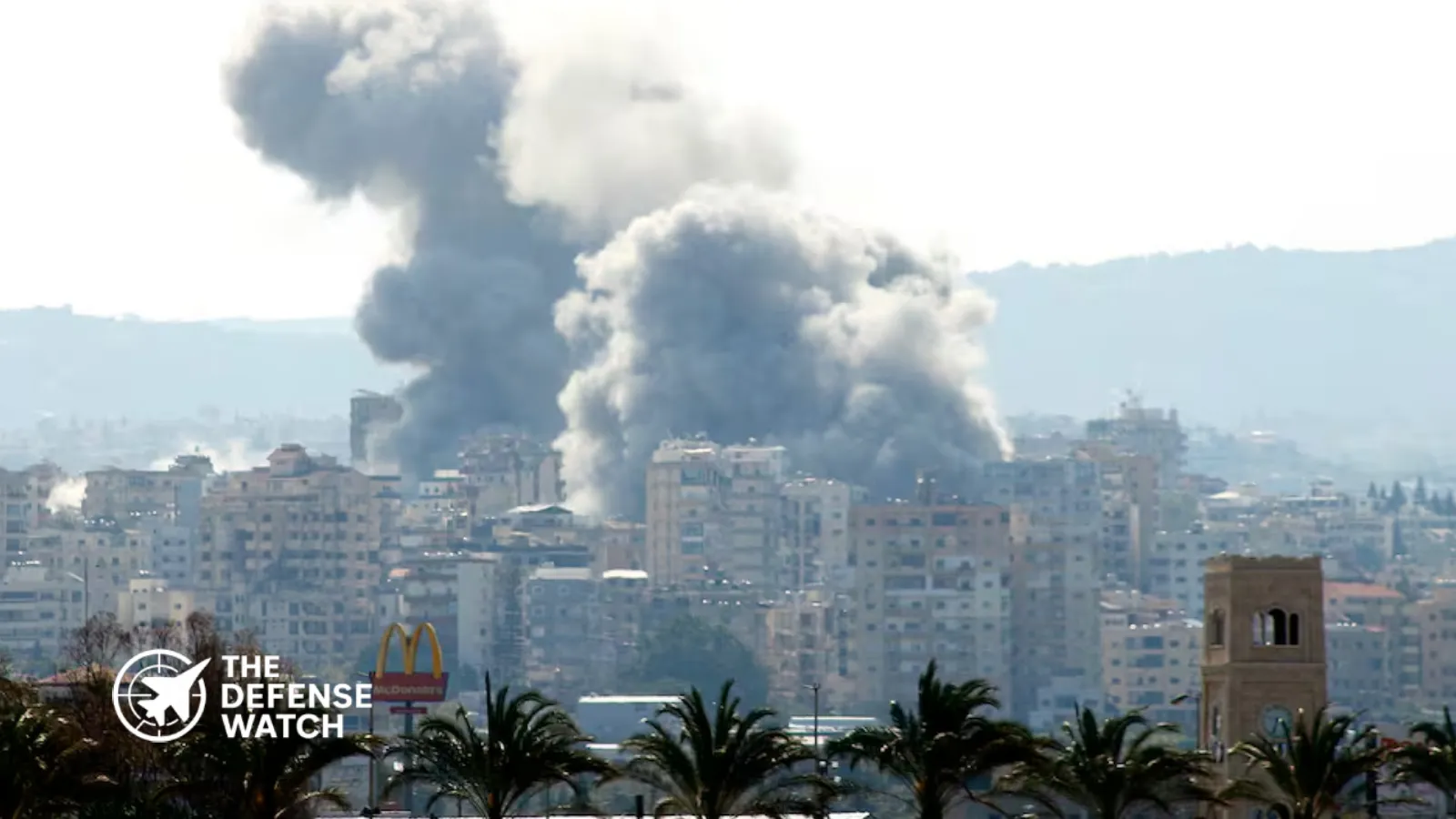
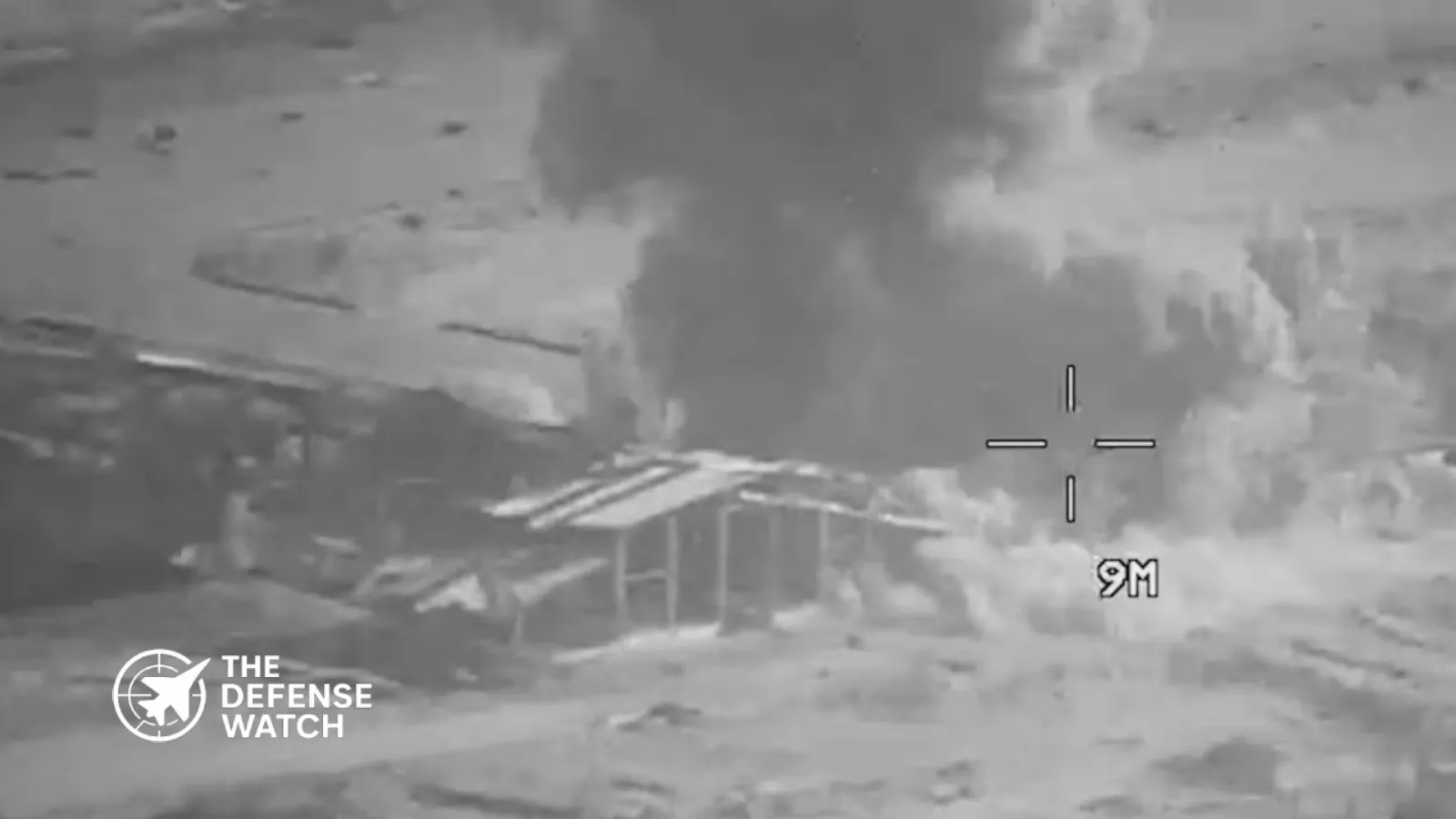
The U.S. Saudi strikes Iraq operation represents one of the most significant joint military actions undertaken by Washington and Riyadh during the current regional crisis. According to U.S. Central Command (CENTCOM), the strikes targeted logistics and weapons facilities used by Iran backed armed groups operating inside Iraq after a series of attempted attacks against American forces and Saudi infrastructure.

Contents
  • U.S. And Saudi Forces Strike Iran Backed Militias In Iraq
  • Why The Operation Was Launched
  • What U.S. Central Command Said
  • Strategic Importance Of Saudi Participation
  • Regional Security Implications
  • Defense Analysis
  • Outlook

CENTCOM said the operation was conducted on July 28 alongside the Saudi Arabian Armed Forces and described the targets as groups directed by Iran’s Islamic Revolutionary Guard Corps. The U.S. military stated that recent attacks against American forces were unsuccessful but warranted a coordinated response.

Why The Operation Was Launched

According to the U.S. military, the strikes followed numerous drone attacks attributed to Iran aligned groups targeting U.S. personnel and Saudi energy facilities.

The broader conflict has expanded considerably over recent months. Reuters reported that hostilities now involve multiple countries across the Middle East, including Iran, Iraq, Saudi Arabia, Jordan, Egypt and Yemen, creating one of the region’s most complex security environments in years.

- Advertisement -

Iraq condemned the strikes as a violation of its sovereignty while attempting to balance relations with both Washington and Tehran. Iraqi officials continue to face increasing pressure from both sides as armed groups maintain significant influence inside the country.

What U.S. Central Command Said

CENTCOM stated that the operation specifically targeted facilities supporting attacks against U.S. forces and Saudi critical infrastructure.

According to the military statement:

Operation DetailInformation
DateJuly 28, 2026
ParticipantsU.S. Central Command and Saudi Arabian Armed Forces
LocationIraq
Primary TargetsLogistics and weapons facilities used by Iran backed armed groups
Stated ObjectiveDeter attacks against U.S. forces and Saudi energy infrastructure

The U.S. military added that it remains prepared to respond if attacks continue against American personnel or regional partners.

Strategic Importance Of Saudi Participation

One of the most significant aspects of the operation is Saudi Arabia’s direct military participation.

Although Riyadh has previously coordinated closely with Washington on regional security, Reuters noted that this is the first publicly acknowledged joint combat action with the United States against Iran backed armed groups in Iraq during the current conflict.

Saudi involvement signals a broader regional security alignment aimed at protecting critical energy infrastructure and deterring additional attacks by Iranian aligned networks.

For U.S. defense planners, the operation also demonstrates increasing interoperability between American and Gulf military forces, particularly in intelligence sharing, air operations and precision strike capabilities.

- Advertisement -

Regional Security Implications

The strikes are unlikely to be viewed in isolation.

Iran has previously denied directing attacks from Iraqi territory, while maintaining that it would respond to military pressure in the region. At the same time, Iraqi leaders face mounting domestic challenges as powerful militia groups retain substantial military capabilities despite government efforts to strengthen state control.

Military analysts generally view Iraq as a critical operating environment where Iranian influence, U.S. military interests and Gulf security priorities increasingly intersect.

From a U.S. defense perspective, preventing attacks on deployed forces remains a central objective. For Saudi Arabia, defending oil infrastructure remains equally important given its strategic role in global energy markets.

Defense Analysis

From an operational standpoint, the strikes illustrate several important trends in regional military strategy.

First, Washington continues to rely on precision airpower rather than large scale ground operations when responding to attacks by proxy groups.

Second, coalition operations with regional partners are becoming increasingly important as threats extend beyond national borders.

Third, the targeting of logistics hubs instead of broader infrastructure suggests an effort to reduce the operational capacity of armed groups while limiting wider damage.

The operation also highlights how modern conflicts increasingly involve state actors confronting networks of proxy organizations rather than conventional military formations. Such campaigns require persistent intelligence collection, surveillance assets, precision targeting and close coordination between allied militaries.

For U.S. defense planners, maintaining freedom of action across the Middle East while protecting regional partners remains a key strategic priority as tensions with Iran continue.

Outlook

The latest strikes are unlikely to end regional hostilities on their own.

Instead, they demonstrate that Washington and its regional partners are prepared to respond militarily when attacks threaten U.S. personnel or critical infrastructure. Future developments will depend on whether Iran backed armed groups continue cross border attacks and whether diplomatic efforts can reduce the risk of further escalation.

For now, Iraq remains at the center of a broader regional contest involving U.S. forces, Iranian influence and Gulf security cooperation.


TAGGED:Iran Backed MilitiasU.S. Central Command
Share This Article
Facebook Copy Link Print
ByKaleem Sheikh | Regional Defense Correspondent
Follow:
Kaleem Sheikh is a regional defense correspondent at TheDefenseWatch.com covering defense and security developments across Asia and the Middle East, including military operations, procurement, and regional security issues.
Leave a Comment

Leave a Reply Cancel reply

Your email address will not be published. Required fields are marked *

Latest Defense Systems

  • RUTA B1 Cruise Missile RUTA B1 Cruise Missile
  • XQ-67A Drone XQ-67A Drone
  • B-25 Mitchell Bomber B-25 Mitchell Bomber
  • F-100 Super Sabre F-100 Super Sabre
  • North American F-86 Sabre North American F-86 Sabre
  • North American XB-70 Valkyrie North American XB-70 Valkyrie
  • Northrop YF-23 Fighter Northrop YF-23 Fighter
  • P-51 Mustang Fighter Aircraft P-51 Mustang Fighter Aircraft
  • Rafale F5 Fighter Rafale F5 Fighter

Recent Compares

  • J-10C vs JF-17 Thunder: Which Fighter Is More Capable? J-10C vs JF-17 Thunder: Which Fighter Is More Capable? View Comparison →
  • Tejas vs Gripen: Key Differences and Capabilities Tejas vs Gripen: Key Differences and Capabilities View Comparison →
  • Tejas vs MiG-21 Bison: How India Replaced Its Iconic Supersonic Fighter Tejas vs MiG-21 Bison: How India Replaced Its Iconic Supersonic Fighter View Comparison →
  • F-35 vs F-16: Stealth, Sensors and Combat Roles F-35 vs F-16: Stealth, Sensors and Combat Roles View Comparison →
  • Tejas Fighter Jet vs F-16 Fighting Falcon: Capability Compared Tejas Fighter Jet vs F-16 Fighting Falcon: Capability Compared View Comparison →
  • Rafale Fighter Jet vs F-16 Fighting Falcon : Which Fighter Has the Edge? Rafale Fighter Jet vs F-16 Fighting Falcon : Which Fighter Has the Edge? View Comparison →
  • Su-57 Fighter Jet vs J-20 Fighter Jet: Stealth and Air Combat Compared Su-57 Fighter Jet vs J-20 Fighter Jet: Stealth and Air Combat Compared View Comparison →
  • Mirage 2000 vs Tejas Mk1A: Legacy Combat Power vs Indigenous Modernization Mirage 2000 vs Tejas Mk1A: Legacy Combat Power vs Indigenous Modernization View Comparison →
  • Rafale Fighter Jet vs F-22 Raptor: Which Air Dominance Fighter Has the Edge? Rafale Fighter Jet vs F-22 Raptor: Which Air Dominance Fighter Has the Edge? View Comparison →
  • Tejas Fighter Jet vs. Rafale Fighter Jet: India’s Indigenous Fighter Meets France’s Proven Multirole Combat Aircraft Tejas Fighter Jet vs. Rafale Fighter Jet: India’s Indigenous Fighter Meets France’s Proven Multirole Combat Aircraft View Comparison →

Recent Posts

  • Pakistan Tests Indigenous Fa’az Air-to-Air Missile for First Time
  • Operation Unified Resolve Reports 70% Drop in Rio Grande Valley Border Crossings
  • Iran Releases Footage of Underground Missile Tunnels Amid Rising US Military Tensions
  • China Says HQ Missile Systems Intercepted Two New Missile Types in PLA Drill
  • Phoenix Defense Ventures Wins $310.5 Million HH-60W Training Contract

You Might Also Like

Pakistan Qatar defense pact
Middle East Defense & Security

Qatar Moves To Forge Historic Defense Pact With Pakistan As Saudi Agreement Sets Precedent

April 20, 2026
Lebanon Israel talks Washington
Middle East Defense & Security

Lebanon And Israel Move To Restart Talks As U.S. Pushes De-Escalation In Washington

April 15, 2026
Saudi Arabia air defense system
Middle East Defense & Security

Saudi Arabia Debuts Truck-Mounted VL-MICA Air Defense System To Counter Drone Threats At World Defense Show 2026

February 10, 2026
Iran war Arab states cost sharing
Middle East Defense & Security

Trump Looks to Arab States to Share Cost of Iran War as Strait of Hormuz Standoff Intensifies

March 31, 2026

Logo

Copyright © 2026 TheDefenseWatch.com

Helpful Links

  • Home
  • About Us
  • Privacy Policy
  • Terms of Use / Disclaimer
  • U.S. Privacy Notice – CCPA Compliance

Defense Systems

  • Defense Systems
  • Comparisons 
  • Manufacturer
  • Tactical Calculators

Popuplar

Which 5 Air Forces Possess the Costliest Fighter Jet Fleets in the World
Evolving Strategic Value: Carrier Strike Groups in the Indo-Pacific’s Future Security Architecture
Autonomous Weapon Systems Spark U.S. Ethics Debate Amid Rapid Military AI Integration

We report on developments involving military forces, governments, defense companies, research organizations, and security institutions around the world. 

Welcome Back!

Sign in to your account

Username or Email Address
Password

Lost your password?