• Home
  • About
  • Defense Systems
  • Manufacturer
  • Comparisons
  • Compare 
  • Tools
TheDefenseWatch.com
  • Aerospace & Aviation
  • Military & Ordnance
  • Naval & Maritime
  • Cyber & Space Defense
  • Policy & Strategy
  • Global News
  • Tools Library
    • Smart Calculator
    • Drone Flight Time Calculator
    • Drone Range Calculator
    • Counter-Drone Jammer Effective Range Calculator
    • Counter-Battery Radar Detection Calculator
    • Artillery Fire Correction Calculator
    • Thermal Camera Detection Range Calculator
    • Missile Range & Time-of-Flight Calculator
    • Radar Detection Range Calculator
    • FPV Strike Drone Payload vs Range Calculator
    • Loitering Munition Endurance Calculator
    • Sniper Ballistic Drop & Windage Calculator
    • Bullet Drop Calculator
    • U.S. Army Combat Fitness Test (ACFT) Calculator
    • Military Pension Calculator
    • Military Retirement Calculator
    • Military Pension Calculator
    • Large Number Calculator
Font ResizerAa

TheDefenseWatch.com

The Defense Watch | U.S. & Global Defense News, Analysis & Military Updates

Search
  • Home
  • About
  • Defense Systems
  • Manufacturer
  • Comparisons
  • Compare 
  • Tools

Stay Updated

Get the latest update

Subscribe

Explore

  • Drone
  • Fighter Jets & Military Aircraft
  • Hypersonic Weapons
  • Aircraft Carriers
  • Strategic History & Missions
  • Tools Library
Home » Nuclear Submarines Explained: Silent Strength of the U.S. Navy
Naval & MaritimeSubmarines

Nuclear Submarines Explained: Silent Strength of the U.S. Navy

TeamDefenseWatch
Last updated: September 29, 2025 4:08 am
TeamDefenseWatch
Share
2 Min Read
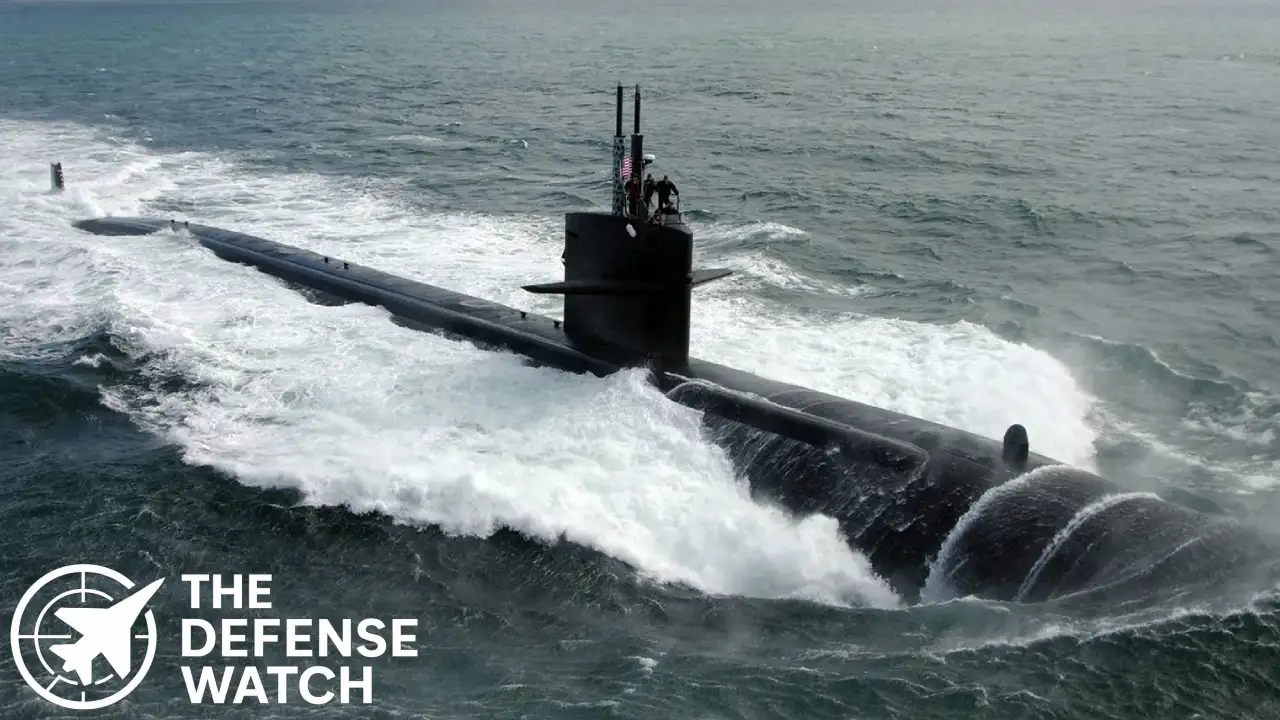
Nuclear Submarines
Image courtesy of military.com
SHARE

Nuclear Submarines at the Core of Naval Power

Nuclear submarines are among the most formidable assets in the U.S. Navy’s arsenal, combining stealth, endurance, and strategic firepower. These vessels operate undetected for months beneath the ocean’s surface, ensuring America’s ability to project power globally and maintain a credible deterrent. In modern naval strategy, U.S. nuclear submarines are both a shield and a sword—capable of launching nuclear strikes, gathering intelligence, and hunting adversary vessels with silent precision.

Contents
The Two Pillars: SSBNs and SSNsOhio-Class: The Backbone of DeterrenceVirginia-Class: The Silent HunterNuclear Power: The Endless Endurance AdvantageGlobal Role in Modern StrategyAnalysis: Why Silent Strength Still MattersFAQs

The Two Pillars: SSBNs and SSNs

The U.S. Navy operates two distinct types of nuclear-powered submarines:

Ballistic Missile Submarines (SSBNs) – Known as “boomers,” these vessels form the undersea leg of the U.S. nuclear triad. Ohio-class SSBNs, armed with Trident II D5 ballistic missiles, ensure a survivable second-strike capability. Even if U.S. land-based silos or bombers were neutralized, SSBNs hidden deep at sea could deliver a decisive response.

Attack Submarines (SSNs) – These submarines, such as the Virginia-class and the legacy Los Angeles-class, are designed to hunt enemy ships, conduct intelligence missions, and support special operations. Nuclear propulsion gives them unmatched endurance and speed, making them a permanent presence in contested waters like the South China Sea or the Arctic.

- Advertisement -

Ohio-Class: The Backbone of Deterrence

Commissioned in the 1980s, the Ohio-class remains the cornerstone of U.S. strategic deterrence. Each carries up to 20 Trident II D5 ballistic missiles with multiple warheads, capable of striking targets thousands of miles away. Despite being over 40 years old, the class remains formidable thanks to continuous modernization. Plans are underway to gradually replace them with the Columbia-class in the early 2030s, ensuring continuity of deterrence.
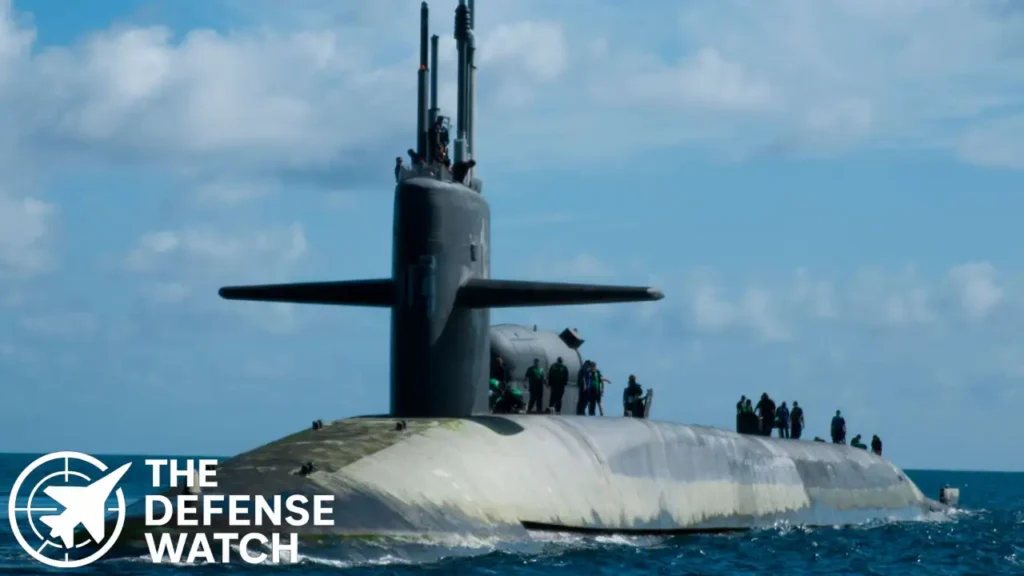
Ohio-Class Submarines
Image courtesy of military.com

Virginia-Class: The Silent Hunter

The Virginia-class represents the cutting edge of U.S. submarine technology. Equipped with advanced sonar, photonic masts (instead of traditional periscopes), and cruise missiles, these boats provide unmatched versatility. They support strike operations with Tomahawk land-attack missiles, covert surveillance, and undersea warfare. New Block V variants feature the Virginia Payload Module, expanding missile capacity to replace some of the capabilities of retiring Ohio-class guided-missile submarines (SSGNs).
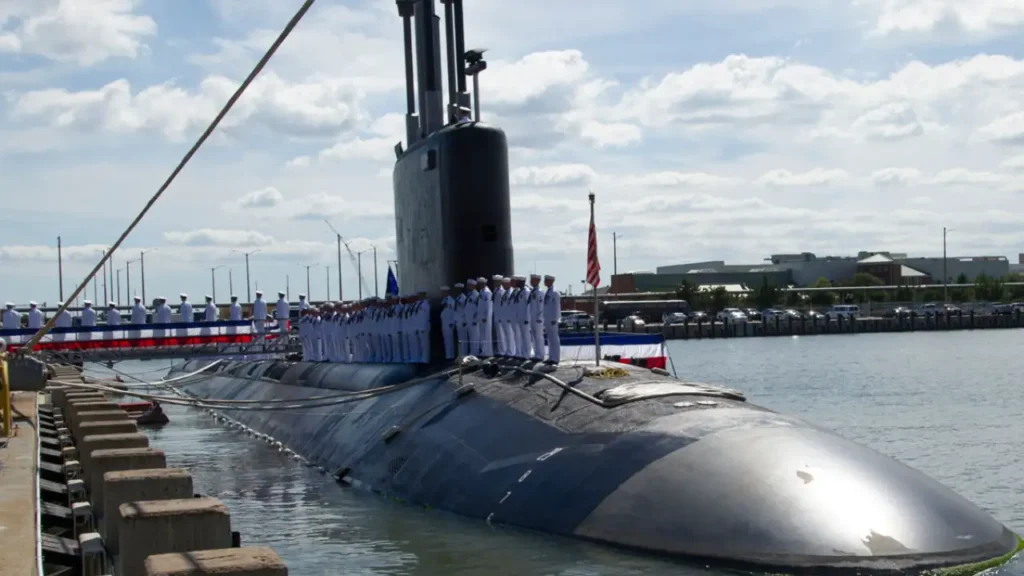
Virginia-Class Submarines
Image courtesy of military.com

Nuclear Power: The Endless Endurance Advantage

Unlike diesel-electric submarines, which require frequent surfacing to recharge batteries, nuclear-powered submarines can remain submerged indefinitely—limited only by crew endurance and food supplies. This ability allows U.S. submarines to operate undetected for months at a time, ensuring persistent presence in strategic regions without vulnerability to air or surface detection.

Global Role in Modern Strategy

Nuclear submarines are central to America’s deterrence and maritime dominance. In a potential conflict with near-peer adversaries like China or Russia, SSNs would play a critical role in countering hostile naval forces, protecting sea lanes, and denying adversaries freedom of movement. At the same time, SSBNs maintain nuclear stability by ensuring adversaries cannot risk a first strike without fear of devastating retaliation.

Analysis: Why Silent Strength Still Matters

While much attention today focuses on drones, hypersonic weapons, and space warfare, the silent presence of nuclear submarines remains unmatched. They serve as the ultimate insurance policy in U.S. defense strategy. Even as advanced sensors and anti-submarine warfare (ASW) systems evolve, the combination of stealth, endurance, and nuclear firepower makes submarines the hardest platform to neutralize.

The upcoming Columbia-class SSBN and future SSN(X) attack submarine will carry forward this legacy, ensuring that beneath the surface of the world’s oceans, U.S. silent strength remains intact well into the 21st century.

Source: U.S. Navy – Submarine Warfare Division.

FAQs

What is the difference between SSBNs and SSNs?

SSBNs carry nuclear ballistic missiles for deterrence, while SSNs focus on attack missions, surveillance, and support operations.

How long can nuclear submarines stay underwater?

They can remain submerged for several months, limited only by crew endurance and supplies.

What will replace the Ohio-class submarines?

The Columbia-class SSBNs are scheduled to begin replacing the Ohio-class in the 2030s.

Are U.S. submarines detectable by adversaries?

While advances in anti-submarine warfare continue, U.S. submarines remain among the stealthiest and most survivable platforms.


TAGGED:Nuclear SubmarinesOhio-class SubmarineSubmarine WarfareU.S. NavyVirginia-class Submarine
Share This Article
Facebook Copy Link Print
ByTeamDefenseWatch
TeamDefenseWatch is the official editorial byline of TheDefenseWatch.com. Working under one umbrella, TheDefenseWatch.com, the team delivers verified, factual reporting on global defense, military technology, aerospace systems, and security developments. Articles are sourced from official statements, defense industry releases, and trusted media, with editorial review to ensure accuracy and clarity.Contact: info@TheDefenseWtach.com
16 Comments
  • Pingback: The World’s Most Advanced Missile Defense Systems Explained: Shielding Nations in the 21st Century
  • Pingback: U.S. vs China Military Balance in the Indo-Pacific 2025: Strategic Posture, Push-Back, and Pressure Points
  • Pingback: Top 10 Most Famous Fighter Jets of All Time — Icons of Airpower & Legacy
  • Pingback: U.S. Declines to Supply Tomahawk Missiles to Ukraine Amid Strategic and Inventory Constraints
  • Pingback: Why the U.S. Navy Can Still Dominate Undersea Nuclear Deterrence — And What Smaller Powers Can Learn from China’s Type 094 Challenge
  • Pingback: China’s Type 094 SSBN Operations Highlight Expanded Sea-Based Nuclear Deterrence
  • Pingback: Trump-South Korea Deal Hits Snag Over Nuclear-Powered Submarine Clause
  • Pingback: How Hypersonic Missiles Achieve Hypersonic Speed: Inside U.S. Hypersonic Missile Programs and New Advances in Hypersonic Flight
  • Pingback: Russia Orders Two More Lada-Class Submarines for 2026 | TheDefenseWatch.com
  • Pingback: Germany’s TKMS Offers Investment Package to Strengthen Bid for Canada Submarine Contract
  • Pingback: US Approves 2.3 Billion P 8A Poseidon Sale for Singapore Maritime Patrol Fleet | TheDefenseWatch.com
  • Pingback: Taiwan's Domestically Built Narwhal Submarine Completes First Undersea Trial Amid Rising Regional Tensions | TheDefenseWatch.com
  • Pingback: Ultra Maritime Wins $59.6M US Navy Contract for Submarine Acoustic Countermeasures | TheDefenseWatch.com
  • Pingback: US Report Says Australia Refuses Taiwan Defense Commitment, Nuclear Submarine Sale At Risk | TheDefenseWatch.com
  • Pingback: Telephonics Wins $16M P-8A IFF Contract Modification for U.S. Navy, Canada, Germany | TheDefenseWatch.com
  • Pingback: China Unveils Type 09V Nuclear Attack Submarine At Bohai Shipyard | TheDefenseWatch.com

Leave a Reply Cancel reply

Your email address will not be published. Required fields are marked *

Search Defense Systems

Latest Defense Systems

  • TRML-4D Radar TRML-4D Radar
  • F-47A Fighter Jet F-47A Fighter Jet
  • China DF-61 Missile China DF-61 Missile
  • B61 Nuclear Bomb B61 Nuclear Bomb
  • Japan E-767 Airborne Japan E-767 Airborne
  • Remington 870 Shotgun Remington 870 Shotgun
  • RUTA B1 Cruise Missile RUTA B1 Cruise Missile
  • XQ-67A Drone XQ-67A Drone
  • B-25 Mitchell Bomber B-25 Mitchell Bomber

Recent Compares

  • J-10C vs JF-17 Thunder: Which Fighter Is More Capable? J-10C vs JF-17 Thunder: Which Fighter Is More Capable? View Comparison →
  • Tejas vs Gripen: Key Differences and Capabilities Tejas vs Gripen: Key Differences and Capabilities View Comparison →
  • Tejas vs MiG-21 Bison: How India Replaced Its Iconic Supersonic Fighter Tejas vs MiG-21 Bison: How India Replaced Its Iconic Supersonic Fighter View Comparison →
  • F-35 vs F-16: Stealth, Sensors and Combat Roles F-35 vs F-16: Stealth, Sensors and Combat Roles View Comparison →
  • Tejas Fighter Jet vs F-16 Fighting Falcon: Capability Compared Tejas Fighter Jet vs F-16 Fighting Falcon: Capability Compared View Comparison →
  • Rafale Fighter Jet vs F-16 Fighting Falcon : Which Fighter Has the Edge? Rafale Fighter Jet vs F-16 Fighting Falcon : Which Fighter Has the Edge? View Comparison →
  • Su-57 Fighter Jet vs J-20 Fighter Jet: Stealth and Air Combat Compared Su-57 Fighter Jet vs J-20 Fighter Jet: Stealth and Air Combat Compared View Comparison →
  • Mirage 2000 vs Tejas Mk1A: Legacy Combat Power vs Indigenous Modernization Mirage 2000 vs Tejas Mk1A: Legacy Combat Power vs Indigenous Modernization View Comparison →
  • Rafale Fighter Jet vs F-22 Raptor: Which Air Dominance Fighter Has the Edge? Rafale Fighter Jet vs F-22 Raptor: Which Air Dominance Fighter Has the Edge? View Comparison →
  • Tejas Fighter Jet vs. Rafale Fighter Jet: India’s Indigenous Fighter Meets France’s Proven Multirole Combat Aircraft Tejas Fighter Jet vs. Rafale Fighter Jet: India’s Indigenous Fighter Meets France’s Proven Multirole Combat Aircraft View Comparison →

Recent Posts

  • Hensoldt Targets €10 Billion in Annual Revenue by 2035, Doubles TRML-4D Radar Capacity
  • Somalia’s Reported JF-17 Deal Raises Questions Over Airpower and Regional Security
  • Navy Awards General Dynamics Subsidiary $20 Million Undersea Warfare Research Contract
  • U.S. Air Force Awards $26 Million Contract for Flyways AI Air Operations Software
  • Hegseth Orders Major Overhaul of U.S. Military Education System

You Might Also Like

Lockheed Martin Radiant Mercury contract
Cyber & Space DefenseDefense Contracts

Lockheed Martin Wins $88.6 Million Navy Contract for Radiant Mercury Systems

October 26, 2026
US Central Command Iranian Navy
Naval & MaritimeNaval Strategy & Maritime Security

US Central Command Says Iranian Navy Eliminated In Gulf Of Oman Strikes

September 9, 2026
Indian Navy warships
Naval & MaritimeNaval Strategy & Maritime Security

India Expands Maritime Power In Indian Ocean With Three New Indigenous Navy Warships

September 17, 2026
U.S. Navy destroyer escorting a commercial vessel through the Strait of Hormuz during Project Freedom, May 2026.
Naval & MaritimeNaval Strategy & Maritime Security

U.S. Navy Races To Deploy “Project Freedom” Amid Rising Iranian Threats In Strait Of Hormuz

September 8, 2026

Logo

Copyright © 2026 TheDefenseWatch.com

Helpful Links

  • Home
  • About Us
  • Privacy Policy
  • Terms of Use / Disclaimer
  • U.S. Privacy Notice – CCPA Compliance

Defense Systems

  • Defense Systems
  • Comparisons 
  • Manufacturer
  • Tactical Calculators

Popuplar

Which 5 Air Forces Possess the Costliest Fighter Jet Fleets in the World
Evolving Strategic Value: Carrier Strike Groups in the Indo-Pacific’s Future Security Architecture
Autonomous Weapon Systems Spark U.S. Ethics Debate Amid Rapid Military AI Integration

We report on developments involving military forces, governments, defense companies, research organizations, and security institutions around the world. 

Welcome Back!

Sign in to your account

Username or Email Address
Password

Lost your password?