

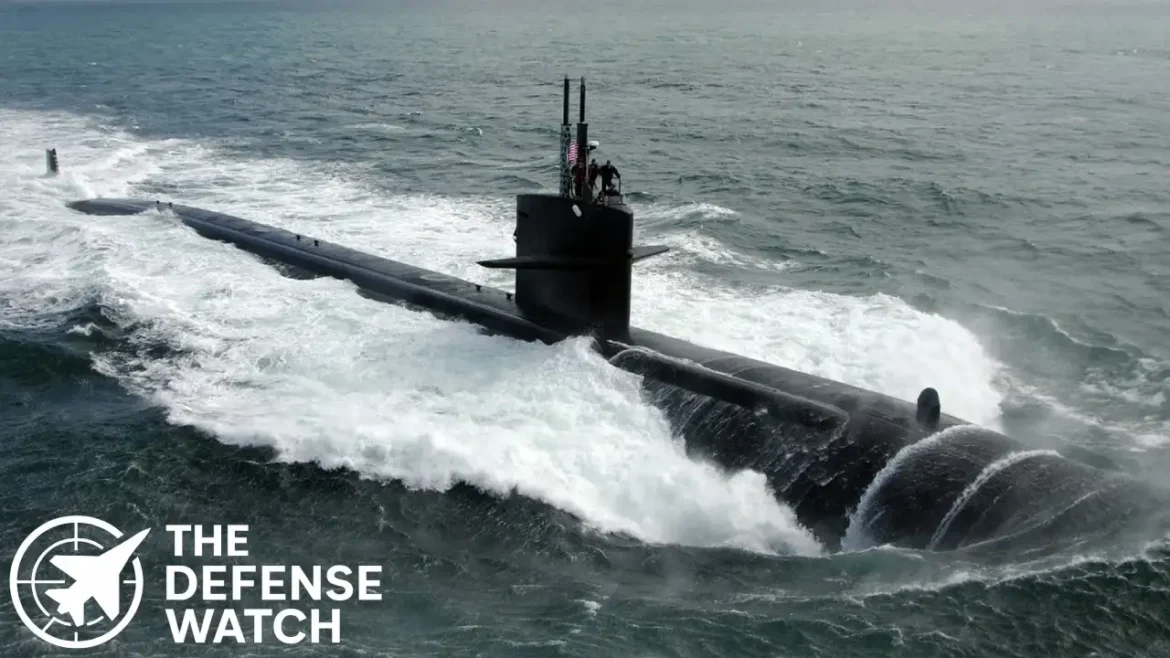
Nuclear Submarines at the Core of Naval Power
Nuclear submarines are among the most formidable assets in the U.S. Navy’s arsenal, combining stealth, endurance, and strategic firepower. These vessels operate undetected for months beneath the ocean’s surface, ensuring America’s ability to project power globally and maintain a credible deterrent. In modern naval strategy, U.S. nuclear submarines are both a shield and a sword—capable of launching nuclear strikes, gathering intelligence, and hunting adversary vessels with silent precision.
The Two Pillars: SSBNs and SSNs
The U.S. Navy operates two distinct types of nuclear-powered submarines:
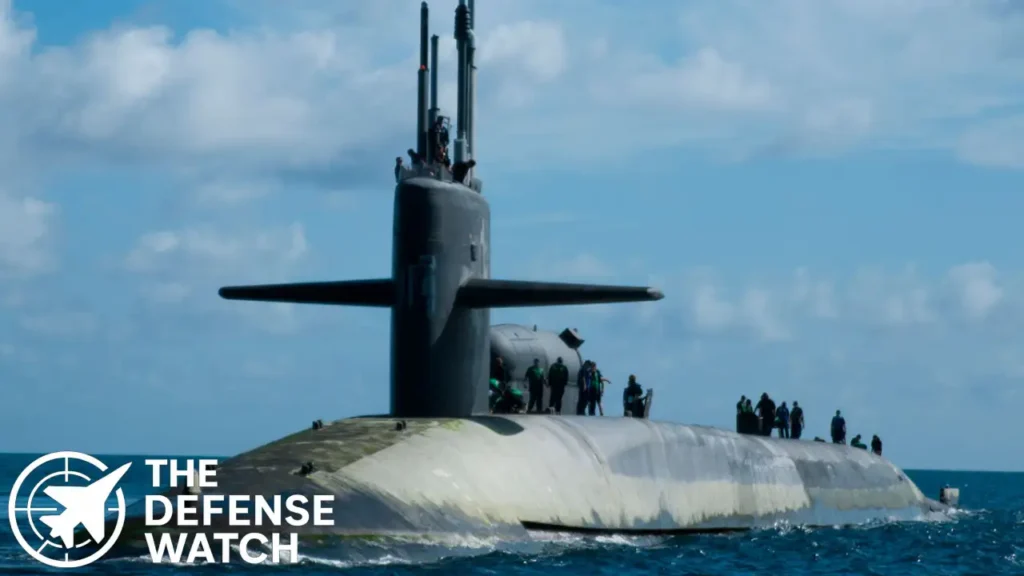
Ballistic Missile Submarines (SSBNs) – Known as “boomers,” these vessels form the undersea leg of the U.S. nuclear triad. Ohio-class SSBNs, armed with Trident II D5 ballistic missiles, ensure a survivable second-strike capability. Even if U.S. land-based silos or bombers were neutralized, SSBNs hidden deep at sea could deliver a decisive response.
Attack Submarines (SSNs) – These submarines, such as the Virginia-class and the legacy Los Angeles-class, are designed to hunt enemy ships, conduct intelligence missions, and support special operations. Nuclear propulsion gives them unmatched endurance and speed, making them a permanent presence in contested waters like the South China Sea or the Arctic.
Ohio-Class: The Backbone of Deterrence
Commissioned in the 1980s, the Ohio-class remains the cornerstone of U.S. strategic deterrence. Each carries up to 20 Trident II D5 ballistic missiles with multiple warheads, capable of striking targets thousands of miles away. Despite being over 40 years old, the class remains formidable thanks to continuous modernization. Plans are underway to gradually replace them with the Columbia-class in the early 2030s, ensuring continuity of deterrence.
Virginia-Class: The Silent Hunter
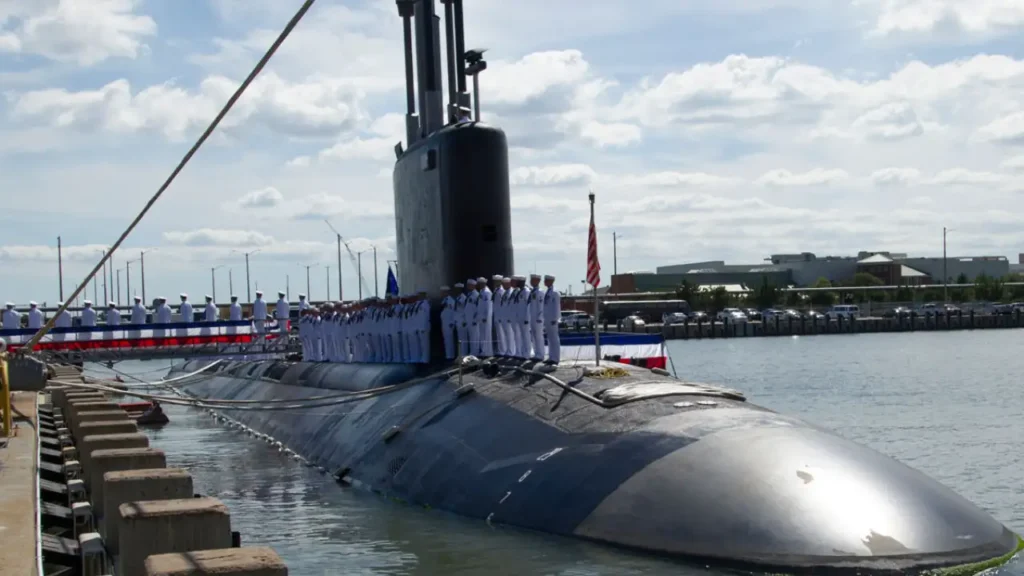
The Virginia-class represents the cutting edge of U.S. submarine technology. Equipped with advanced sonar, photonic masts (instead of traditional periscopes), and cruise missiles, these boats provide unmatched versatility. They support strike operations with Tomahawk land-attack missiles, covert surveillance, and undersea warfare. New Block V variants feature the Virginia Payload Module, expanding missile capacity to replace some of the capabilities of retiring Ohio-class guided-missile submarines (SSGNs).
Nuclear Power: The Endless Endurance Advantage
Unlike diesel-electric submarines, which require frequent surfacing to recharge batteries, nuclear-powered submarines can remain submerged indefinitely—limited only by crew endurance and food supplies. This ability allows U.S. submarines to operate undetected for months at a time, ensuring persistent presence in strategic regions without vulnerability to air or surface detection.
Global Role in Modern Strategy
Nuclear submarines are central to America’s deterrence and maritime dominance. In a potential conflict with near-peer adversaries like China or Russia, SSNs would play a critical role in countering hostile naval forces, protecting sea lanes, and denying adversaries freedom of movement. At the same time, SSBNs maintain nuclear stability by ensuring adversaries cannot risk a first strike without fear of devastating retaliation.
Analysis: Why Silent Strength Still Matters
While much attention today focuses on drones, hypersonic weapons, and space warfare, the silent presence of nuclear submarines remains unmatched. They serve as the ultimate insurance policy in U.S. defense strategy. Even as advanced sensors and anti-submarine warfare (ASW) systems evolve, the combination of stealth, endurance, and nuclear firepower makes submarines the hardest platform to neutralize.
The upcoming Columbia-class SSBN and future SSN(X) attack submarine will carry forward this legacy, ensuring that beneath the surface of the world’s oceans, U.S. silent strength remains intact well into the 21st century.
Source: U.S. Navy – Submarine Warfare Division.
FAQs
SSBNs carry nuclear ballistic missiles for deterrence, while SSNs focus on attack missions, surveillance, and support operations.
They can remain submerged for several months, limited only by crew endurance and supplies.
The Columbia-class SSBNs are scheduled to begin replacing the Ohio-class in the 2030s.
While advances in anti-submarine warfare continue, U.S. submarines remain among the stealthiest and most survivable platforms.