• Home
  • About
  • Defense Systems
  • Manufacturer
  • Comparisons
  • Compare 
  • Tools
TheDefenseWatch.com
  • Aerospace & Aviation
  • Military & Ordnance
  • Naval & Maritime
  • Cyber & Space Defense
  • Policy & Strategy
  • Global News
  • Tools Library
    • Smart Calculator
    • Drone Flight Time Calculator
    • Drone Range Calculator
    • Counter-Drone Jammer Effective Range Calculator
    • Counter-Battery Radar Detection Calculator
    • Artillery Fire Correction Calculator
    • Thermal Camera Detection Range Calculator
    • Missile Range & Time-of-Flight Calculator
    • Radar Detection Range Calculator
    • FPV Strike Drone Payload vs Range Calculator
    • Loitering Munition Endurance Calculator
    • Sniper Ballistic Drop & Windage Calculator
    • Bullet Drop Calculator
    • U.S. Army Combat Fitness Test (ACFT) Calculator
    • Military Pension Calculator
    • Military Retirement Calculator
    • Military Pension Calculator
    • Large Number Calculator
Font ResizerAa

TheDefenseWatch.com

The Defense Watch | U.S. & Global Defense News, Analysis & Military Updates

Search
  • Home
  • About
  • Defense Systems
  • Manufacturer
  • Comparisons
  • Compare 
  • Tools

Stay Updated

Get the latest update

Subscribe

Explore

  • Drone
  • Fighter Jets & Military Aircraft
  • Hypersonic Weapons
  • Aircraft Carriers
  • Strategic History & Missions
  • Tools Library
Home » What Is Radar? Understanding Its Technology and Military Uses
Aerospace & Aviation

What Is Radar? Understanding Its Technology and Military Uses

TeamDefenseWatch
Last updated: September 8, 2026 6:00 am
TeamDefenseWatch
Share
2 Min Read
Radar
SHARE

What Is Radar?

Radar—short for Radio Detection and Ranging—is a technology that uses radio waves to detect, track, and identify objects at a distance. By transmitting radio signals and analyzing the echoes reflected from targets, radar systems can determine an object’s location, speed, and direction.

Contents
    • What Is Radar?
    • How Radar Works
    • Military Uses of Radar
    • Civilian Uses of Radar
    • Modern Advances in Radar Technology
    • Strategic Importance
  • FAQs

First developed before and during World War II, radar has become a critical tool in modern military operations, aviation safety, weather forecasting, and maritime navigation. Today, radar remains indispensable in both defense and civilian sectors, forming the backbone of air defense networks, early warning systems, and traffic management.

How Radar Works

Radar systems operate by emitting electromagnetic waves, typically in the microwave spectrum. When these waves strike an object, they reflect back to the radar antenna. Computers then process the signal to calculate distance, altitude, and speed.

Key components of a radar system include:

- Advertisement -
  • Transmitter – Generates radio waves.
  • Antenna – Directs the waves and receives reflections.
  • Receiver – Detects returned signals.
  • Processor – Converts signals into visual or digital data.

Modern radars often integrate phased-array antennas and artificial intelligence for faster detection and improved accuracy, particularly against stealth aircraft and hypersonic weapons.

Military Uses of Radar

Radar is one of the most essential technologies in defense and aerospace. Its applications include:

  • Air Defense: Detecting hostile aircraft, drones, and missiles. Systems like the U.S. AN/TPY-2 and Patriot radar provide early warning and missile tracking.
  • Naval Operations: Warships use radars for surveillance, navigation, and fire control, enabling them to detect threats at sea.
  • Ground Surveillance: Armies deploy ground-based radars to monitor troop movements, artillery fire, and low-flying threats.
  • Space and Missile Defense: Long-range radars track ballistic missiles and monitor space objects. The U.S. Space Force and Missile Defense Agency rely on advanced radar networks for homeland security.
Radar technology

Civilian Uses of Radar

Beyond defense, radar is deeply integrated into daily life:

  • Aviation Safety: Air traffic control relies on radar to track aircraft and prevent collisions.
  • Weather Forecasting: Doppler radar provides real-time data on storms, rainfall, and tornadoes.
  • Maritime Navigation: Commercial vessels use radar to avoid collisions and navigate in poor visibility.
  • Law Enforcement: Speed detection radars are widely used for traffic monitoring.

Modern Advances in Radar Technology

As threats evolve, radar technology is undergoing rapid modernization. The U.S. Department of Defense and allied militaries are investing in active electronically scanned array (AESA) radars, which can track multiple targets simultaneously.

Another major trend is counter-stealth radar, designed to detect aircraft with reduced radar cross-sections such as the F-35 or China’s J-20. Meanwhile, AI-driven radar processing is improving automatic target recognition, reducing operator workload and reaction times.

For civilian applications, compact automotive radars are becoming vital for driver-assistance systems and the path toward autonomous vehicles.

Strategic Importance

Radar remains a cornerstone of national defense and global security. Its ability to detect, track, and respond to threats makes it irreplaceable in modern warfare. From missile defense to disaster management, radar continues to shape both security strategies and civilian life.

For more on radar systems, visit U.S. Missile Defense Agency.

- Advertisement -

FAQs

What does radar stand for?

Radar stands for Radio Detection and Ranging.

Who invented radar?

Radar was developed in the 1930s, with contributions from scientists in the U.S., U.K., and Germany.

What is the difference between military and civilian radar?

Military radars are designed for long-range detection and tracking of threats, while civilian radars focus on aviation safety, weather monitoring, and navigation.

Can radar detect stealth aircraft?

Advanced radars, particularly low-frequency and AESA systems, are being developed to counter stealth designs.

What are future uses of radar?

Future applications include space traffic management, drone detection, and integration into autonomous vehicles.


TAGGED:AerospaceAir DefenseMilitary RadarRadarRadar Technology
Share This Article
Facebook Copy Link Print
ByTeamDefenseWatch
TeamDefenseWatch is the official editorial byline of TheDefenseWatch.com. Working under one umbrella, TheDefenseWatch.com, the team delivers verified, factual reporting on global defense, military technology, aerospace systems, and security developments. Articles are sourced from official statements, defense industry releases, and trusted media, with editorial review to ensure accuracy and clarity.Contact: info@TheDefenseWtach.com
3 Comments
  • Pingback: 6 Fighter Jets With the Most Advanced Radar Systems in Service Today 2025
  • Pingback: China’s GJ-11 Stealth Drone Flies Alongside J-20 Fighter in First Public Display
  • Pingback: US Air Force Upgrades Experimental AI Fighter With Advanced Radar and Mission Systems | TheDefenseWatch.com

Leave a Reply Cancel reply

Your email address will not be published. Required fields are marked *

Latest Defense Systems

  • RUTA B1 Cruise Missile RUTA B1 Cruise Missile
  • XQ-67A Drone XQ-67A Drone
  • B-25 Mitchell Bomber B-25 Mitchell Bomber
  • F-100 Super Sabre F-100 Super Sabre
  • North American F-86 Sabre North American F-86 Sabre
  • North American XB-70 Valkyrie North American XB-70 Valkyrie
  • Northrop YF-23 Fighter Northrop YF-23 Fighter
  • P-51 Mustang Fighter Aircraft P-51 Mustang Fighter Aircraft
  • Rafale F5 Fighter Rafale F5 Fighter

Recent Compares

  • J-10C vs JF-17 Thunder: Which Fighter Is More Capable? J-10C vs JF-17 Thunder: Which Fighter Is More Capable? View Comparison →
  • Tejas vs Gripen: Key Differences and Capabilities Tejas vs Gripen: Key Differences and Capabilities View Comparison →
  • Tejas vs MiG-21 Bison: How India Replaced Its Iconic Supersonic Fighter Tejas vs MiG-21 Bison: How India Replaced Its Iconic Supersonic Fighter View Comparison →
  • F-35 vs F-16: Stealth, Sensors and Combat Roles F-35 vs F-16: Stealth, Sensors and Combat Roles View Comparison →
  • Tejas Fighter Jet vs F-16 Fighting Falcon: Capability Compared Tejas Fighter Jet vs F-16 Fighting Falcon: Capability Compared View Comparison →
  • Rafale Fighter Jet vs F-16 Fighting Falcon : Which Fighter Has the Edge? Rafale Fighter Jet vs F-16 Fighting Falcon : Which Fighter Has the Edge? View Comparison →
  • Su-57 Fighter Jet vs J-20 Fighter Jet: Stealth and Air Combat Compared Su-57 Fighter Jet vs J-20 Fighter Jet: Stealth and Air Combat Compared View Comparison →
  • Mirage 2000 vs Tejas Mk1A: Legacy Combat Power vs Indigenous Modernization Mirage 2000 vs Tejas Mk1A: Legacy Combat Power vs Indigenous Modernization View Comparison →
  • Rafale Fighter Jet vs F-22 Raptor: Which Air Dominance Fighter Has the Edge? Rafale Fighter Jet vs F-22 Raptor: Which Air Dominance Fighter Has the Edge? View Comparison →
  • Tejas Fighter Jet vs. Rafale Fighter Jet: India’s Indigenous Fighter Meets France’s Proven Multirole Combat Aircraft Tejas Fighter Jet vs. Rafale Fighter Jet: India’s Indigenous Fighter Meets France’s Proven Multirole Combat Aircraft View Comparison →

Recent Posts

  • Iran Releases Footage of Underground Missile Tunnels Amid Rising US Military Tensions
  • China Says HQ Missile Systems Intercepted Two New Missile Types in PLA Drill
  • Phoenix Defense Ventures Wins $310.5 Million HH-60W Training Contract
  • Rolls-Royce Showcases Naval Engines and Automation Systems at Euronaval 2026
  • North Korea Tests Cruise Missile With Dispersal Warhead, KCNA Says

You Might Also Like

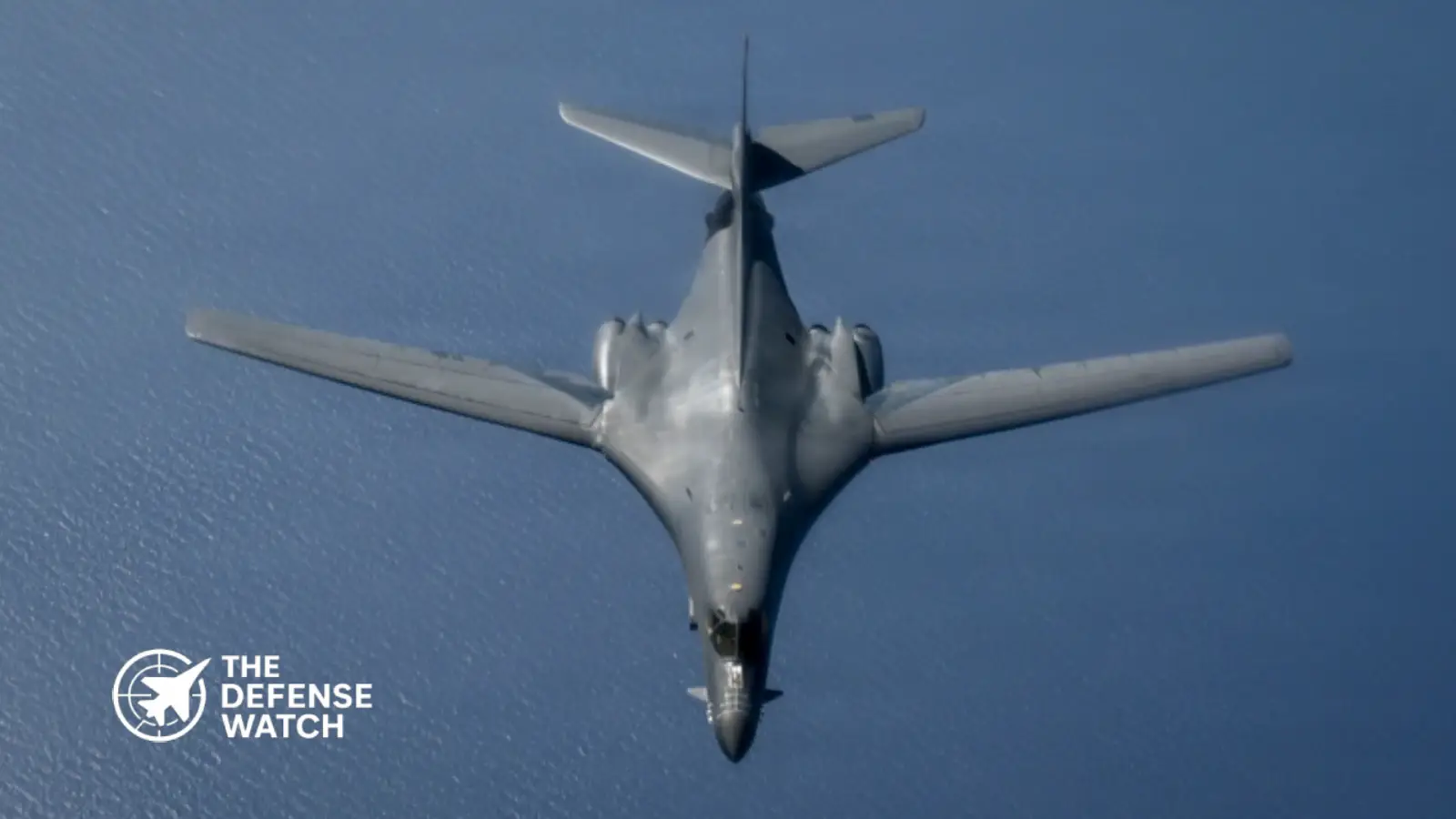
U.S. Air Force B-1B Lancer bomber carrying a Load Adaptable Modular pylon during flight testing over California.
Aerospace & AviationFighter Jets & Military Aircraft

Boeing Advances B-1 Hypersonic Missile Upgrade To Expand Long-Range Strike Capability

September 7, 2026
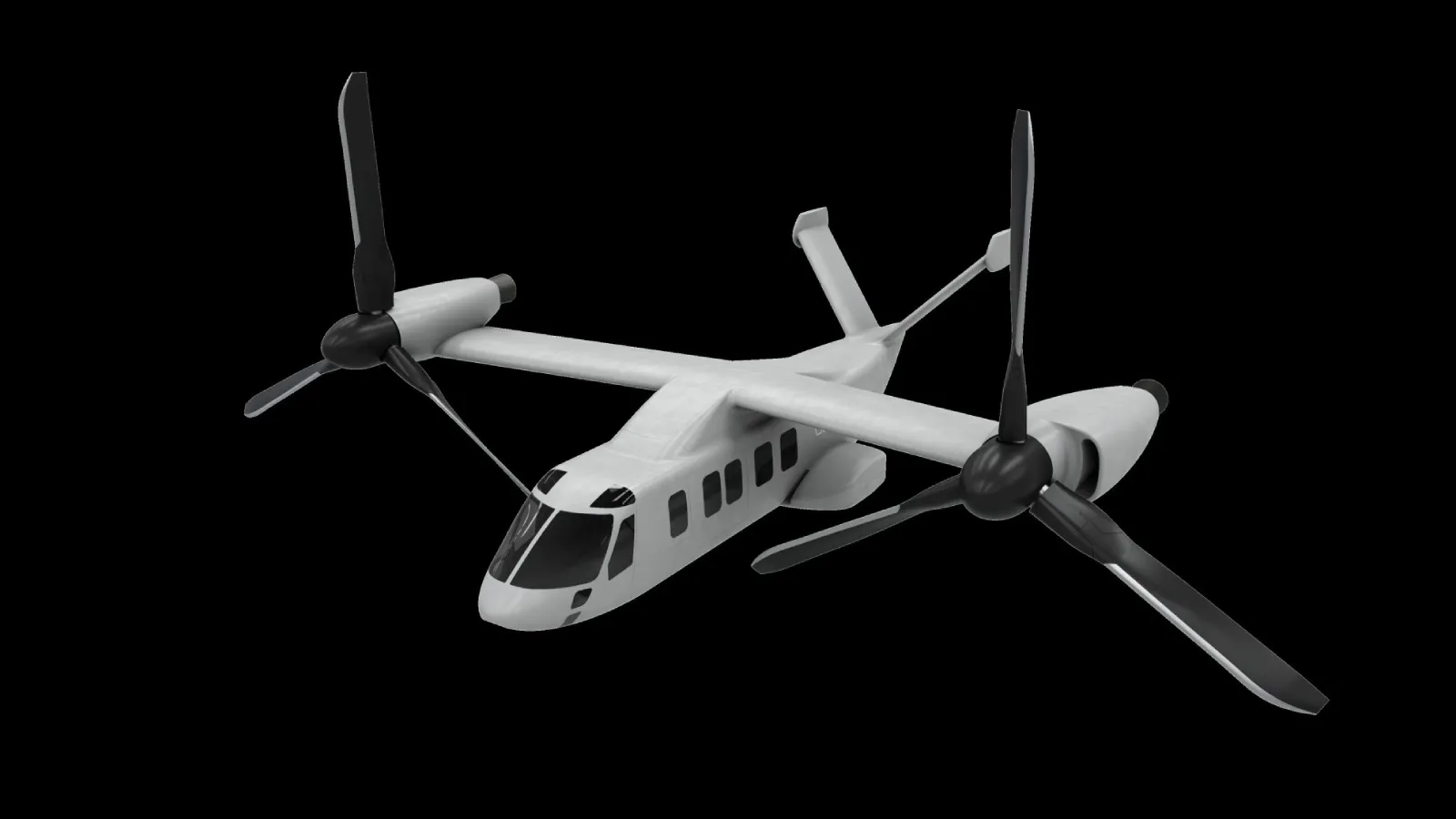
NATO Next Generation Rotorcraft Capability
Aerospace & AviationFighter Jets & Military Aircraft

NATO Moves To Advance Next Generation Rotorcraft Capability As Future Military Helicopter Program Enters Concept Design Stage

August 1, 2026
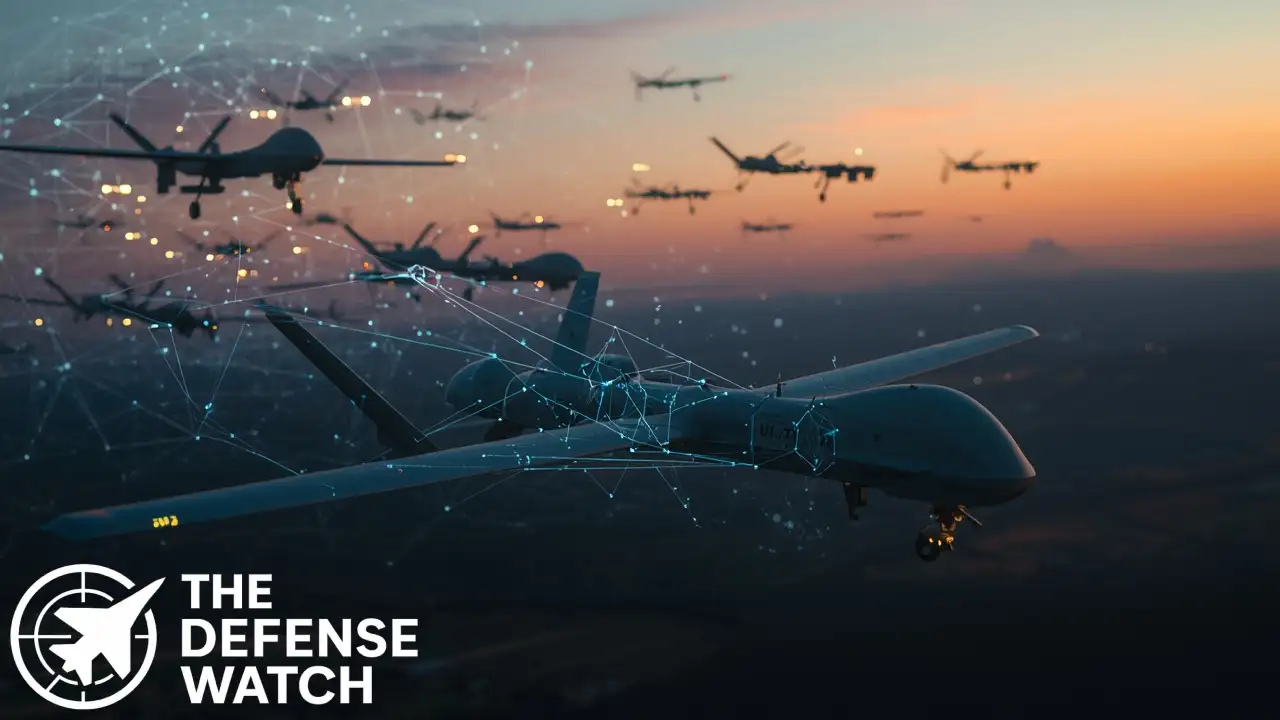
AI-enabled drones
Aerospace & AviationDrones & UAVs

AI-Enabled Drones: How the U.S. Military Is Deploying Autonomy for Strategy, ISR, and Defense

September 8, 2026
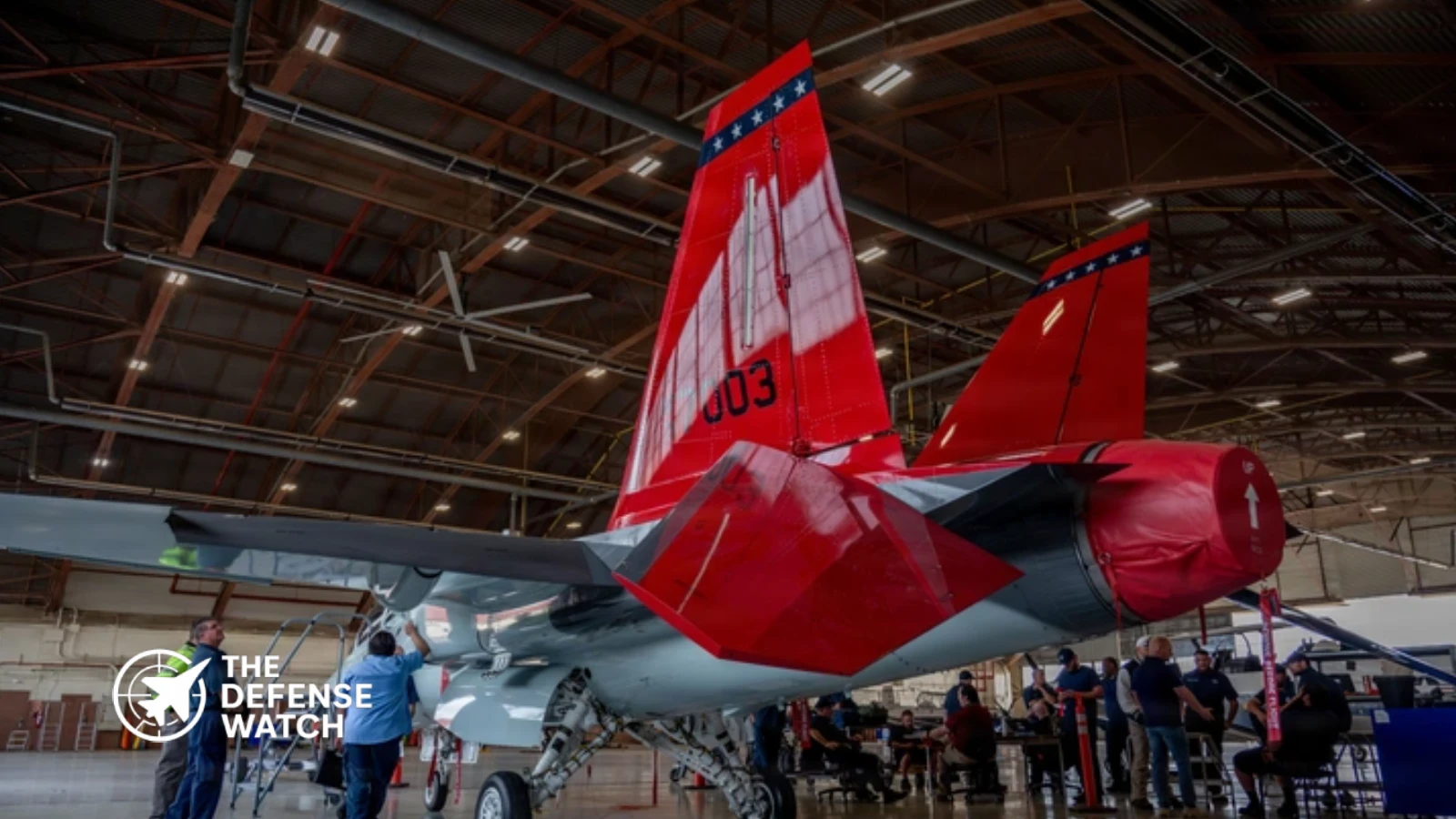
Saab T-7A Red Hawk production
Aerospace & AviationFighter Jets & Military Aircraft

Saab Moves To Expand T-7A Red Hawk Production As U.S. Air Force Milestone C Drives Indiana Factory Recovery

August 5, 2026

Logo

Copyright © 2026 TheDefenseWatch.com

Helpful Links

  • Home
  • About Us
  • Privacy Policy
  • Terms of Use / Disclaimer
  • U.S. Privacy Notice – CCPA Compliance

Defense Systems

  • Defense Systems
  • Comparisons 
  • Manufacturer
  • Tactical Calculators

Popuplar

Which 5 Air Forces Possess the Costliest Fighter Jet Fleets in the World
Evolving Strategic Value: Carrier Strike Groups in the Indo-Pacific’s Future Security Architecture
Autonomous Weapon Systems Spark U.S. Ethics Debate Amid Rapid Military AI Integration

We report on developments involving military forces, governments, defense companies, research organizations, and security institutions around the world. 

Welcome Back!

Sign in to your account

Username or Email Address
Password

Lost your password?