NOVA Group Secures F-22 Fuel Infrastructure Contract
The F-22 fuel infrastructure contract awarded to NOVA Group Inc. marks a significant investment in sustaining U.S. fifth-generation air dominance in the Arctic region. The $57.9 million firm-fixed-price award will fund the construction of petroleum, oil, and lubricant infrastructure at Joint Base Elmendorf-Richardson.
- NOVA Group awarded $57.9 million contract for F-22 fuel infrastructure in Alaska.
- Project supports operations at Joint Base Elmendorf-Richardson in Anchorage.
- Total contract value reaches $62 million with completion set for July 2029.
- U.S. Army Corps of Engineers Alaska District is the contracting authority.
- Funding sourced from Fiscal 2025 military construction defense-wide budget.
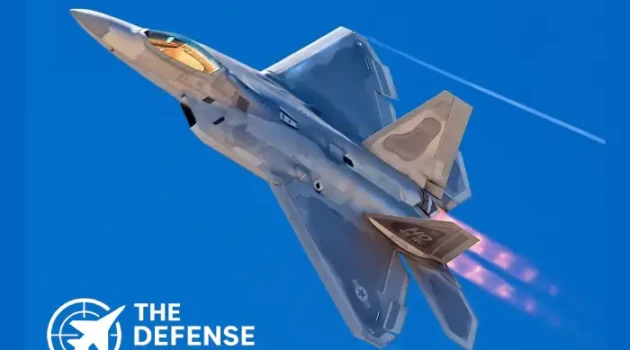
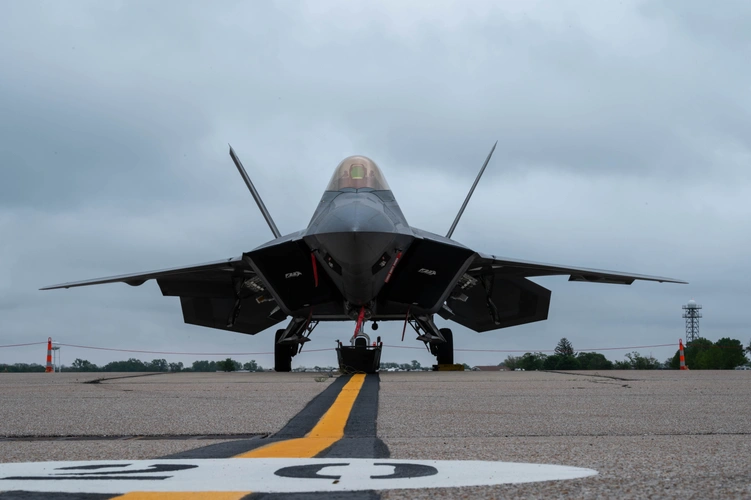
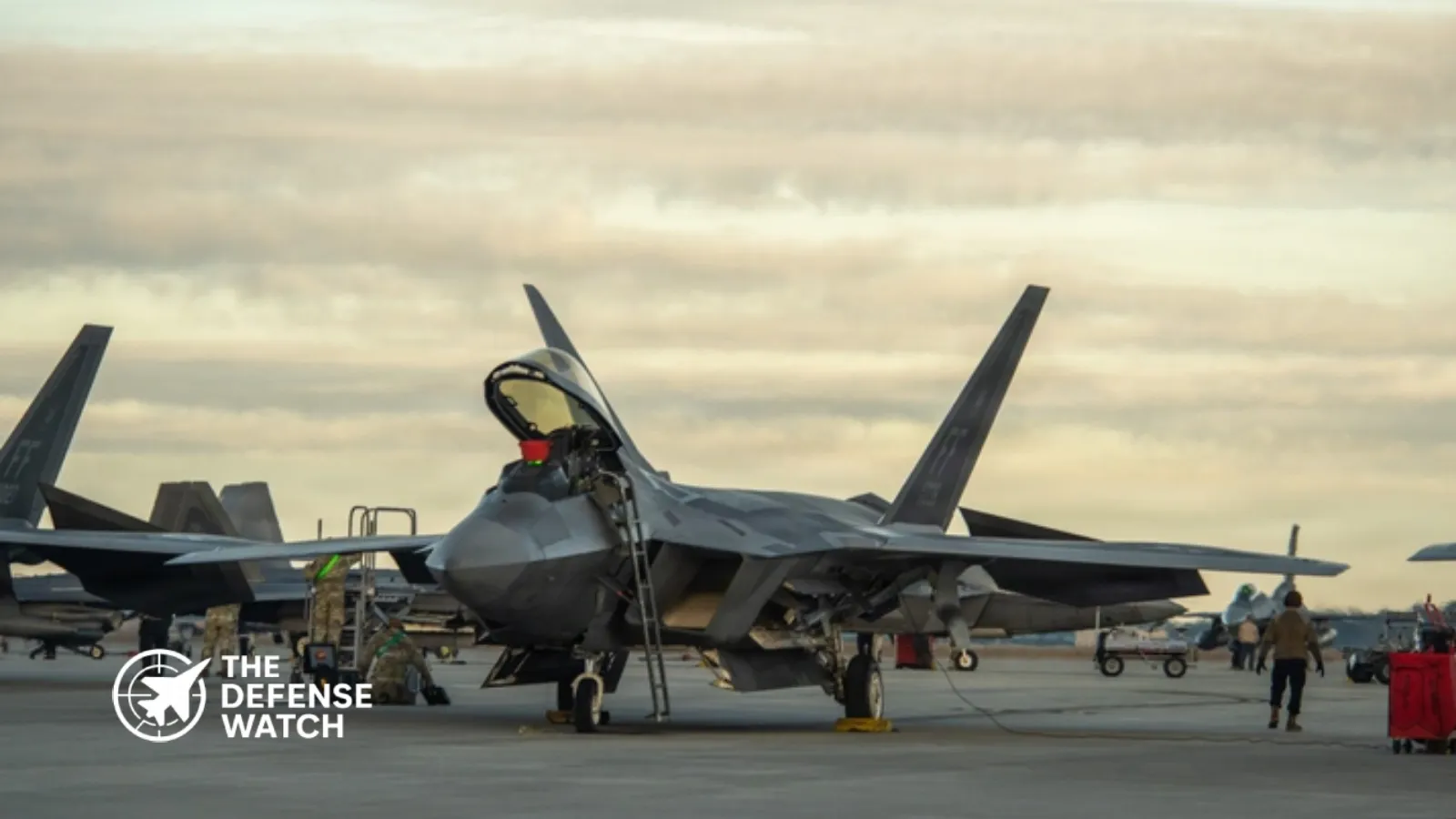
The project directly supports operations of the F-22 Raptor, one of the U.S. Air Force’s most advanced air superiority platforms. Work will be carried out in Anchorage, Alaska, with completion scheduled for July 25, 2029.
The contract was issued by the U.S. Army Corps of Engineers Alaska District following a competitive process that drew four bids via online solicitation.
Strategic Importance Of Arctic Airpower Infrastructure
This F-22 fuel infrastructure contract reflects a broader Pentagon effort to reinforce logistics and sustainment capabilities in Alaska, a region increasingly central to U.S. defense posture.
Joint Base Elmendorf-Richardson serves as a critical hub for air operations across the Indo-Pacific and Arctic theaters. Its proximity to potential flashpoints in the Pacific and access to polar routes makes it a strategic asset for rapid deployment and air defense missions.
Fuel infrastructure, while less visible than aircraft procurement, plays a decisive role in operational readiness. Without reliable storage, distribution, and refueling systems, even advanced platforms like the F-22 cannot sustain high sortie rates during extended operations.
By expanding petroleum, oil, and lubricant capacity, the project ensures that F-22 units can operate at full tempo in harsh Arctic conditions where logistics are inherently challenging.
Contract Scope And Funding Details
The base contract value stands at $57,956,500, with a total cumulative value of $62,005,000 when accounting for additional elements. Funding was obligated at the time of award using Fiscal 2025 military construction, defense-wide appropriations.
The firm-fixed-price structure places cost control responsibility on the contractor, a common approach in U.S. military construction projects aimed at minimizing budget overruns.

Image : U.S. Air Force From an acquisition perspective, the relatively limited number of bids suggests a specialized requirement. Fuel infrastructure projects in extreme climates demand technical expertise in environmental protection, cold-weather engineering, and compliance with stringent military standards.
Operational Impact On F-22 Readiness
The F-22 fuel infrastructure contract will directly enhance sortie generation capability at Elmendorf. Increased fuel storage and improved distribution systems reduce turnaround times between missions, a critical factor in both peacetime deterrence and wartime operations.
For the F-22 fleet, which relies on high-performance engines and precision logistics, consistent fuel availability is essential. The aircraft’s role in air superiority, including counter-air missions and integrated air defense suppression, depends on rapid response capability.
This infrastructure upgrade also supports joint operations. Elmendorf hosts multiple units across the Air Force and Army, and improved fuel systems can benefit a broader range of aircraft and support assets.
Broader Defense Context
The timing of the contract aligns with growing U.S. focus on the Arctic as a contested domain. As climate change opens new maritime routes and increases accessibility, competition among major powers is expected to intensify.
Defense planners have increasingly emphasized resilient basing and logistics in remote regions. Investments like this F-22 fuel infrastructure contract indicate a shift toward strengthening foundational capabilities rather than solely prioritizing new platforms.
According to U.S. Department of Defense strategy documents and USACE project data, infrastructure modernization is a key pillar in maintaining long-term readiness, particularly in geographically challenging areas like Alaska.
Industry Perspective
For NOVA Group, the award reinforces its position in the military construction sector, particularly in complex infrastructure projects. Delivering on this contract will require coordination with federal agencies, adherence to strict environmental standards, and execution under demanding climatic conditions.
The project also highlights the role of private contractors in enabling U.S. military capabilities beyond traditional defense manufacturing. Infrastructure, logistics, and sustainment remain essential components of overall combat effectiveness.