

Table of Contents
DARPA’s AI Cyber Challenge Delivers Game-Changing AI for Cyber Defense
The Defense Advanced Research Projects Agency (DARPA) has concluded its landmark AI Cyber Challenge (AIxCC), marking a pivotal shift in how the Pentagon tackles cyber defense. The two-year contest, co-sponsored by ARPA-H, tasked AI-driven systems to autonomously detect and patch vulnerabilities in open-source code underlying critical infrastructure.
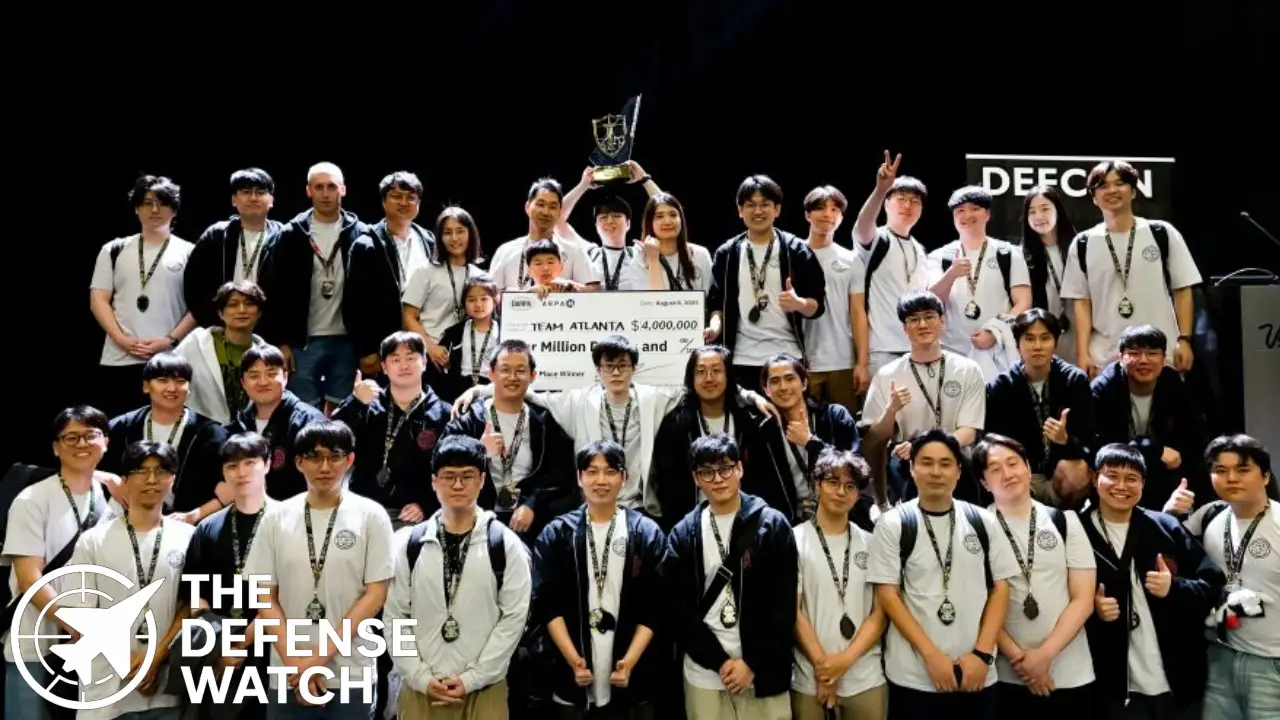
At DEF CON 2025, DARPA announced the winners. Team Atlanta—a multinational, multi-institution consortium including Georgia Tech, Samsung Research, KAIST, and POSTECH—secured the $4 million grand prize for its cyber reasoning system (CRS).
Performance That Surpassed Expectations
The finalist systems—which spanned seven teams—demonstrated unprecedented prowess:
- Discovered 77% of injected synthetic vulnerabilities.
- Successfully patched 61% of those defects, often within minutes.
More notably, the systems uncovered 18 real, previously unknown zero-day vulnerabilities. Eleven of those in Java code were automatically patched.
Open-Source Impact and Adoption Roadmap
DARPA is releasing four of the seven finalist CRSs as open-source software, with the remaining models forthcoming. This commitment to openness aims to accelerate adoption across government agencies, private sectors, and critical infrastructure operators.
Additionally, DARPA and ARPA-H have pledged an extra $1.4 million in prizes to support transitioning these systems into real-world infrastructure software, particularly within the healthcare ecosystem.D
Why This Matters—DARPA’s High-Risk, High-Reward Ethos
DARPA Director Stephen Winchell emphasized that patching software using traditional methods is slow, costly, and reliant on limited cybersecurity talent. AIxCC’s autonomous systems provide the U.S. a much-needed speed and scale advantage in vulnerability remediation.
This innovation is especially critical as adversaries increasingly leverage AI to automate and scale attacks. AIxCC tools help defenders keep pace, if not gain the upper hand.
Broader AI Momentum in Pentagon Cyber Defense
DARPA’s efforts sit within a larger Pentagon push to integrate AI across cybersecurity and defense frameworks.
AOX: AI for Cyber Defense Policy Alignment
Earlier in 2025, President Biden’s executive order proposed Pentagon programs using AI for cyber defense, reinforcing the policy framework enabling DARPA’s work.
Contractor Partnerships: OpenAI’s Entry Into Defense AI
In June 2025, OpenAI secured a $200 million contract with the DoD to develop custom AI models—including for cyber defense applications—under its “OpenAI for Government” initiative.
Analysis and Context—What’s Next for AI-Driven Cyber Defense?
AI Patching as a New Defense Standard
DARPA’s launch of CRSs signals a shift from reactive to proactive cybersecurity—moving toward “secure-by-design” methodologies that embed AI remediation directly into development cycles. The cost per patch—averaging just $152—makes AI a viable, scalable solution.
Scaling and Ecosystem Integration
Critical future work includes integrating CRSs into mainstream development tools and CI/CD pipelines, bridging the gap between DARPA’s prototypes and real-world adoption in sectors like energy, water systems, and healthcare.
Leveraging Open Collaboration
With open-source release and AI model credits from tech giants—Google, OpenAI, Anthropic, and Microsoft—DARPA has established a public-private innovation ecosystem to further develop and commercialize these tools.
FAQs
A two-year competition by DARPA (with ARPA-H) to develop AI cyber tools that autonomously locate and patch software vulnerabilities in open-source code used by critical infrastructure.
Team Atlanta, including researchers from Georgia Tech and Samsung Research, won the $4 million top prize. Their CRS uncovered 77% of synthetic vulnerabilities and patched 61%, also identifying real zero-day flaws.
Yes. Four of the finalist systems are openly available as open-source, with the remainder being released soon.
DARPA and ARPA-H are funding further development and integration into real-world critical infrastructure—particularly in healthcare and utility sectors.
Policy advances (e.g. Biden’s executive order), Pentagon investments in AI, and DoD contracts with companies like OpenAI signal growing institutional support for AI-powered cyber defense.

2 comments
You are not right. Write to me in PM, we will communicate.
——
https://the.hosting/pt/help/configuracao-do-servidor-openvpn-no-webmin-no-ubuntu-2204
[…] award also reflects broader Pentagon efforts to modernize information technology while maintaining strict cybersecurity controls and compliance with federal […]