Pentagon Moves To Replace US Army Chief
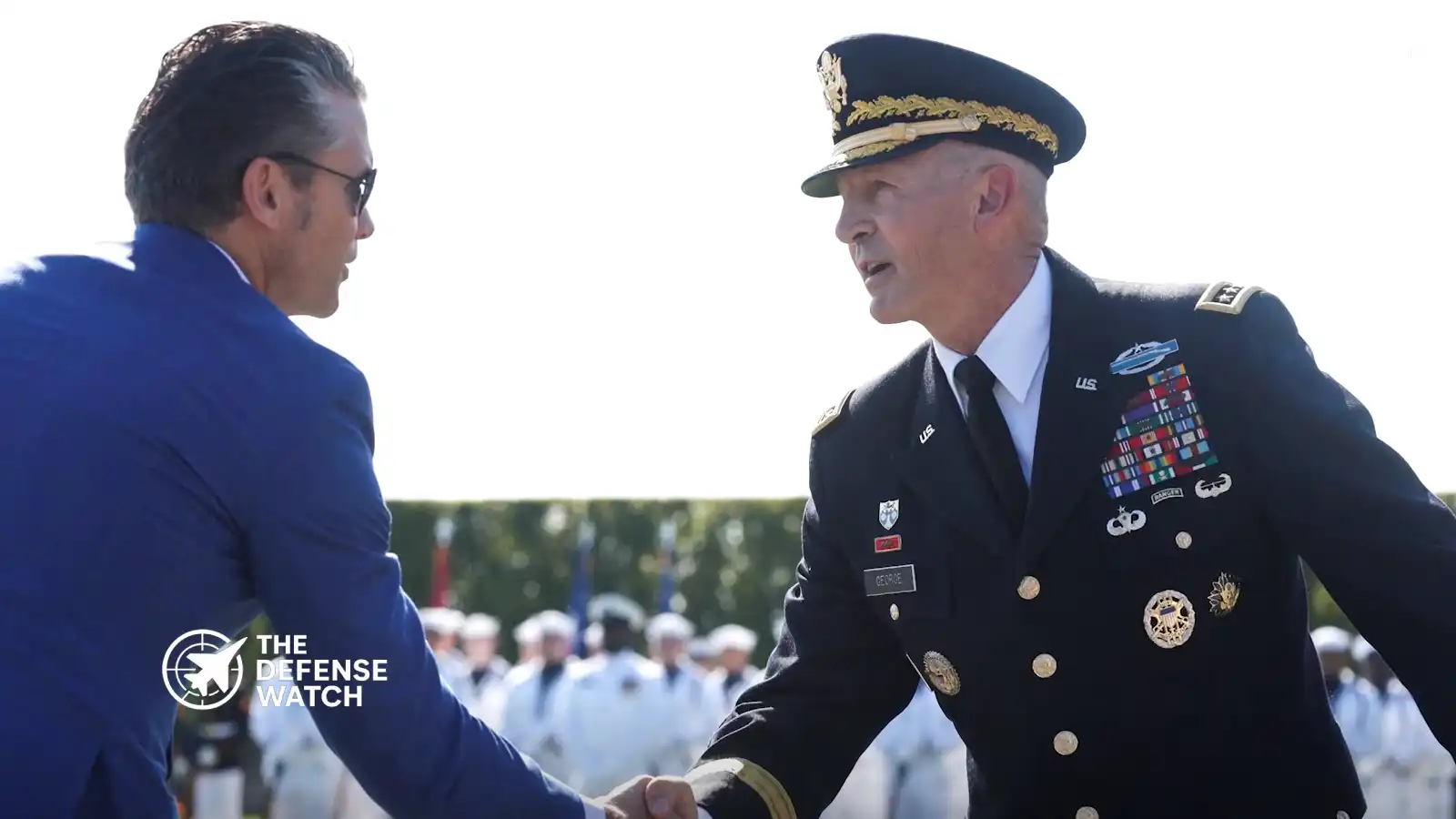
The reported effort to replace the US Army chief marks a significant moment in the evolving structure of U.S. military leadership. According to Reuters, citing CBS News, Defense Secretary Pete Hegseth has asked Randy George to step down, though no formal announcement has been made.
If confirmed, the move would represent one of the most consequential leadership transitions within the United States Department of Defense in recent years, potentially reshaping Army priorities during a period of heightened geopolitical tension.
- U.S. Defense Secretary Pete Hegseth has reportedly asked the U.S. Army Chief of Staff to step down, according to CBS News.
- The move signals a potential leadership shake-up within the Pentagon’s top military ranks.
- No official confirmation or timeline for replacement has been publicly announced.
- The development comes amid broader U.S. military modernization and strategic realignment efforts.
- Reuters cited CBS News as the initial source of the report.
Leadership Shift Signals Strategic Realignment
The decision to replace the US Army chief comes at a time when the Pentagon is reassessing force posture, modernization timelines, and operational readiness across multiple theaters.
The U.S. Army is currently undergoing a complex transformation. It is shifting focus from counterinsurgency operations toward large-scale combat readiness, particularly in response to near-peer competitors such as China and Russia.
Leadership changes at the top often reflect deeper institutional shifts. In this case, the reported request suggests a possible recalibration of priorities, including:
- Accelerating modernization programs
- Refining multi-domain operations doctrine
- Aligning leadership with emerging strategic objectives
While no official rationale has been disclosed, defense analysts note that such moves typically align with broader policy direction set by civilian leadership.
Timing Amid Modernization Push
The timing of the reported request is notable. The U.S. Army is in the midst of several high-profile modernization efforts, including next-generation combat vehicles, long-range precision fires, and integrated air and missile defense systems.
Programs such as the Future Vertical Lift initiative and next-generation command-and-control networks are central to maintaining battlefield advantage. Leadership continuity is often critical during such transitions, making any abrupt change particularly impactful.
At the same time, the Pentagon is balancing global commitments, from Europe to the Indo-Pacific, while adapting to lessons learned from ongoing conflicts. This creates additional pressure on senior leadership to deliver both readiness and innovation.
Civil-Military Dynamics and Policy Direction
A request for a service chief to step down is rare and underscores the importance of alignment between civilian leadership and military command.
In the U.S. system, service chiefs serve as key advisors but are also responsible for organizing, training, and equipping forces. A change at this level can influence procurement priorities, force structure decisions, and long-term planning.
Historically, such transitions have occurred during periods of strategic inflection, whether driven by shifting threat perceptions or internal policy disagreements.
While there is no public indication of disagreement in this case, the reported move highlights the Pentagon’s intent to ensure leadership alignment as it navigates a complex global security environment.
What Comes Next
As of now, neither the Pentagon nor the Army has officially confirmed the request or announced a successor. Any replacement would require presidential nomination and Senate confirmation, a process that can take several months.
In the interim, the development is likely to draw close attention from lawmakers, defense officials, and allied partners, given its potential implications for U.S. military posture.
The situation remains fluid, and further details are expected as official statements emerge.
Analysis: Why This Matters Now
The reported effort to replace the US Army chief is not just a personnel decision. It reflects the broader tension between continuity and change within the U.S. military.
On one hand, stability in leadership supports long-term modernization programs and operational cohesion. On the other, new leadership can accelerate reforms and align the force with evolving threats.
The U.S. Army faces a dual challenge. It must modernize rapidly while maintaining readiness across multiple regions. This requires clear strategic direction and strong leadership alignment.
If confirmed, the leadership change could signal:
- A push for faster modernization timelines
- Greater emphasis on peer conflict preparedness
- Closer alignment with Pentagon-wide strategic priorities
For allies and adversaries alike, such a move would be closely watched as an indicator of U.S. defense posture in the years ahead.