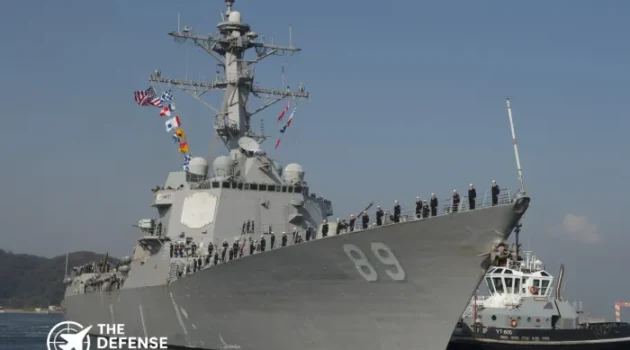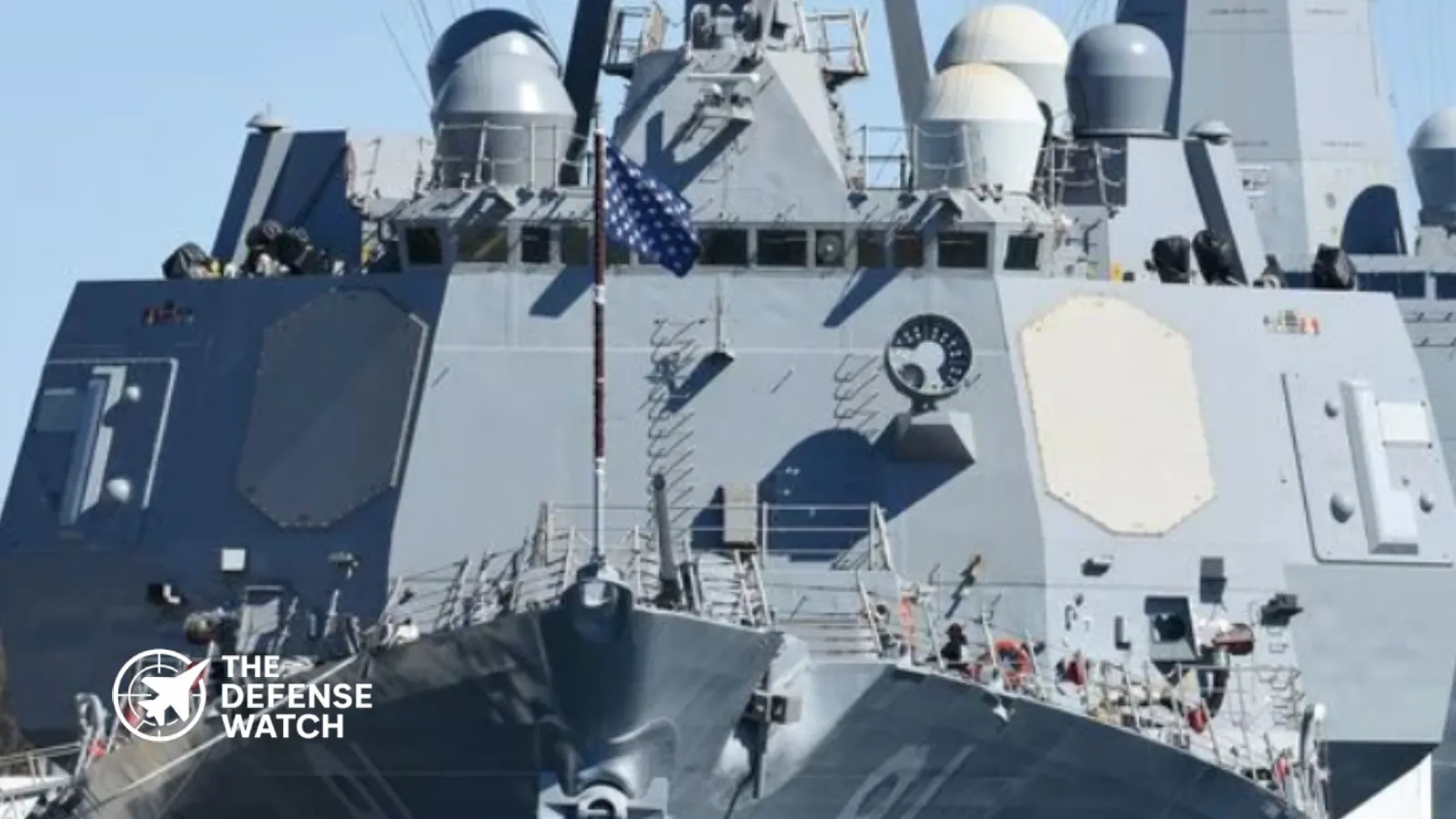
- USS Pinckney deployed with Destroyer Modernization 2.0 upgrades and engaged Iranian targets in March 2026.
- Upgrade includes AN/SPY-6(V)4 radar and advanced SEWIP electronic warfare suite.
- Pentagon officials called for expanded operational testing of the improved Aegis system.
- Program aims to move older destroyers closer to Flight III capability standards.
- Upgrade reflects Navy focus on countering modern missile and drone threats.
Upgraded Aegis Destroyer Conducts First Combat Against Iran Amid Testing Calls
The upgraded Aegis destroyer USS Pinckney deployed with the main keyword improved Aegis system and engaged in combat operations against Iranian forces in March, marking the first operational use of the latest Destroyer Modernization 2.0 suite and raising Pentagon calls for expanded testing of the system’s enhanced radar and electronic warfare capabilities.
The Big Picture
The U.S. Navy is in the midst of a broader effort to modernize its surface fleet, enhancing its ability to respond to aerial, missile, and electronic threats without building new hulls. Central to this effort is the Aegis Combat System, the Navy’s primary integrated air and missile defense platform that combines powerful radar, advanced computing and a suite of interceptors. As naval threats evolve, especially in high-stakes regions such as the Middle East, Washington is under pressure to ensure upgrades deliver real-world advantage.
Aegis modernization has historically aimed to extend service life and capability of Arleigh Burke-class destroyers in the face of new radars and weapons technologies, with recent upgrades focused on closing the capability gap between older Flight IIA ships and the more advanced Flight III configuration.
What’s Happening
In March 2026 the Arleigh Burke-class guided-missile destroyer USS Pinckney, retrofitted under Destroyer Modernization 2.0, participated in combat operations against Iran. The ship’s improved Aegis system integrated an AN/SPY-6(V)4 radar variant and advanced Surface Electronic Warfare Improvement Program (SEWIP) components to improve threat detection and situational awareness.
U.S. Central Command released video from 15 March showing USS Pinckney firing a Tomahawk Land Attack Missile while operating with its modernized systems installed.
Pentagon testing officials noted that although the upgrades enhance capability, the department wants additional operational testing before committing to widespread fielding, signaling caution about current test coverage and risk exposure.
Why It Matters
Modernizing older destroyers with advanced radar and electronic warfare systems helps the fleet maintain multi-domain awareness and defensive reach without waiting years for new ship construction. Upgrades like the SPY-6 family of radars dramatically increase target sensitivity and tracking capacity, crucial as adversaries deploy faster and more complex threats.
Integrating advanced SEWIP systems improves electronic surveillance and countermeasure response, a vital asset when operating in congested or contested littoral regions where adversaries combine missiles, drones and other sensors.
Strategic Implications
For U.S. naval readiness, successful deployment of upgraded Aegis systems signals a maturing approach to force modernization. It reinforces U.S. ability to deter and, if necessary, counter threats, from missile salvos to swarming unmanned systems. It also underscores the Navy’s need to balance risk and verification in testing upgraded combat systems before full fleet rollout, an ongoing tension in defense acquisitions.
Regionally, the presence of modernized destroyers operating against Iranian forces conveys a clear message about sustained U.S. commitment to maritime security and deterrence in the Middle East, particularly in areas like the Persian Gulf and Gulf of Oman. Competitors and adversaries will note both the capabilities deployed and the Pentagon’s insistence on further testing, shaping their assessments of U.S. naval strengths and operational confidence.
Competitor View
Iran and allied groups likely interpret the deployment of an upgraded Aegis destroyer as an escalation in U.S. naval posture, emphasizing precision strike and layered defense against both missile and air threats. For China and Russia, continued investment in modernizing legacy systems reinforces the United States’ ability to sustain forward presence and complex integration across platforms, even as challenges remain in testing new capabilities thoroughly.
What To Watch Next
Analysts will track further Pentagon testing schedules for the improved Aegis system and monitor how feedback from operational use against Iran shapes future modernization decisions. Key milestones include additional live-fire events, expanded tactical evaluations and potential revisions to deployment doctrine for upgraded destroyers.
DoD acquisition communities will also be watching how the testing results influence budget requests and allocation for broader fleet modernization under Destroyer Modernization 2.0.
Capability Gap
Destroyer Modernization 2.0 aims to help older Flight IIA class ships close the gap to Flight III baseline capabilities, especially in radar performance, networked engagement and electronic warfare. Older systems based around legacy sensors and combat computer baselines faced limitations in handling complex, simultaneous threats in contested environments.
While the upgrades mark progress, Pentagon caution about testing highlights remaining uncertainties in fully validating performance under combat conditions, reinforcing the need to invest in comprehensive evaluation.
The Bottom Line
The USS Pinckney’s combat use of an upgraded Aegis system shows real progress in Navy modernization but underscores the Pentagon’s push to ensure that capability gains are fully proven before fleetwide adoption.