U.S. Considers Second Aircraft Carrier Amid Iran Talks
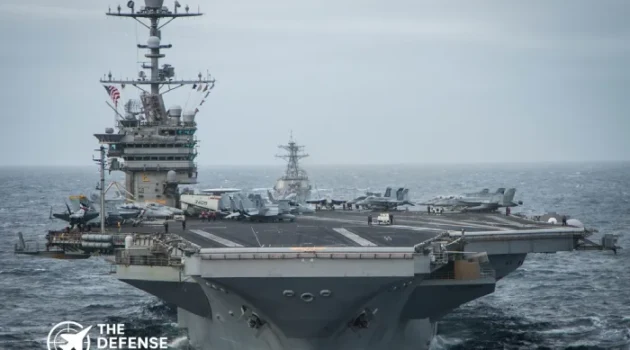
The United States is weighing sending a second aircraft carrier strike group to the Middle East as diplomatic talks with Iran continue but risks of escalation rise, officials and open reporting show. This potential move would add to the U.S. military build-up facing Iran and reflects both diplomatic leverage and contingency planning in Washington.
President Donald Trump told U.S. media outlets that he is “thinking” about dispatching another carrier strike group to join the USS Abraham Lincoln, already operating in the region, while negotiations with Iran seek to avert broader conflict. “We have an armada that is heading there and another one might be going,” Trump said.
The White House has linked the possible deployment to the results of renewed talks with Tehran over its nuclear program and ballistic missile development. Trump framed the choice as diplomatic success or a need to take “something very tough” if no deal is reached.
Strategic Context And Military Posture
U.S. Central Command forces already include the USS Abraham Lincoln aircraft carrier strike group, supported by guided-missile destroyers and other assets in the Gulf region.
Pentagon planners are preparing at least one additional carrier strike group for potential deployment within weeks, drawing on ships such as the USS George H.W. Bush from the U.S. East Coast or the USS George Washington based in Asia, though no final order has been issued.
Officials told The Wall Street Journal that the carrier might be ordered to deploy at short notice if negotiations with Iran do not produce a diplomatic outcome acceptable to Washington.
Diplomacy With Iran
U.S. and Iranian officials recently held indirect talks in Muscat, Oman, in efforts to restart negotiations on Tehran’s nuclear activities. Both sides described the initial round as a “good start” and signalled plans to continue discussions.
(adsbygoogle = window.adsbygoogle || []).push({});Iran has insisted talks focus on its nuclear program and pushed back on negotiating ballistic missile limits or regional proxy group issues. U.S. officials say a comprehensive agreement would need to address those broader threat perceptions.
The next round of diplomatic engagement is expected soon, even as military preparations continue in parallel.
Geopolitical Implications
Deploying a second carrier strike group would represent a rare concentration of U.S. naval power in the Gulf. It would underline Washington’s readiness to protect its forces and partners, and signal deterrence against potential Iranian retaliation.
The planned move comes as regional allies, including Israel and Gulf states, watch U.S. posture closely. Israeli Prime Minister Benjamin Netanyahu travelled to Washington to consult with Trump on Iran policy.
Iran has issued warnings against military escalation in the past, suggesting any U.S. attack could prompt a broader conflict.
(adsbygoogle = window.adsbygoogle || []).push({});Naval Capabilities And Readiness
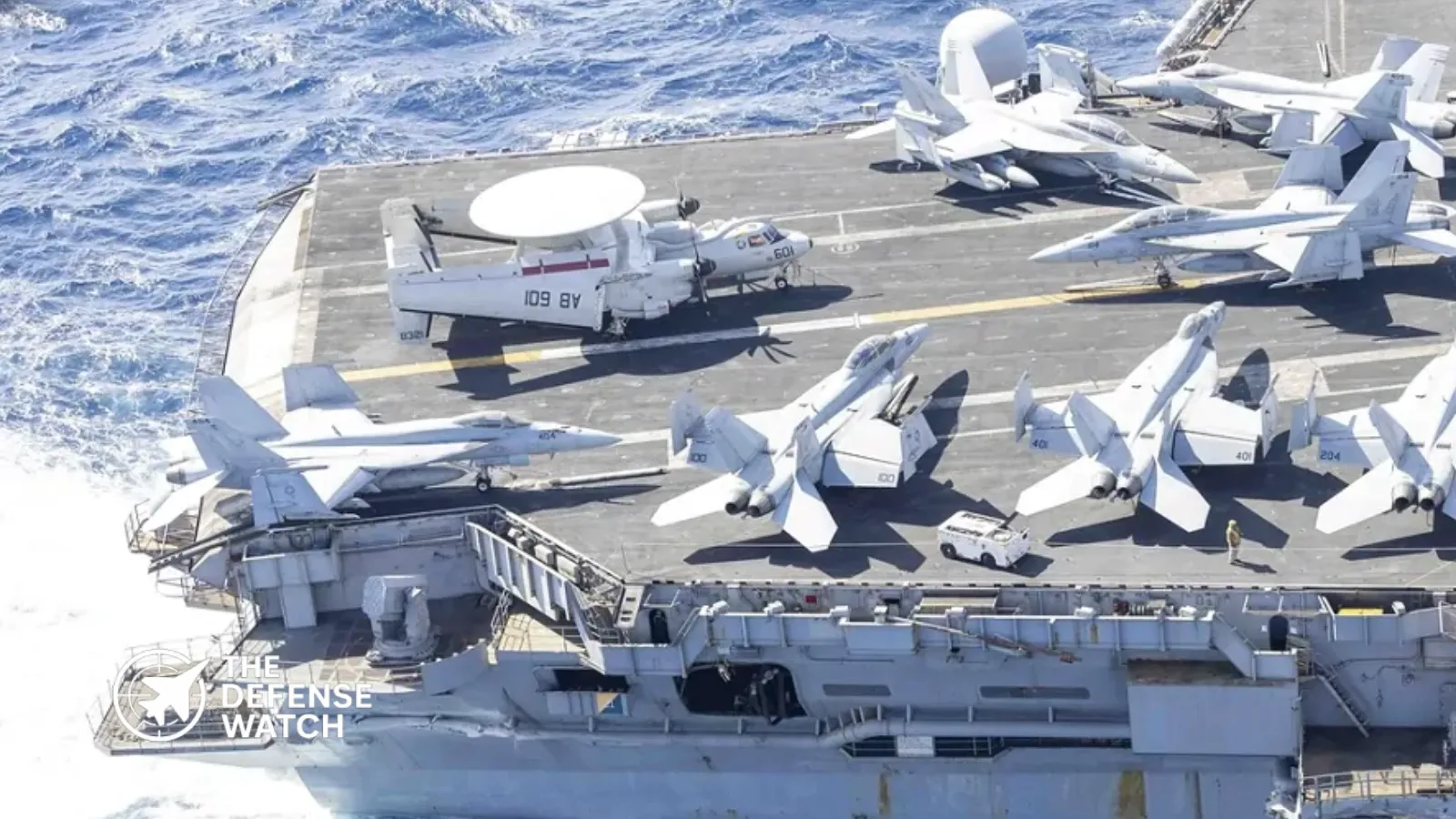
Carrier strike groups offer power projection through their embarked fighter wings and long-range strike options. The presence of two carriers could expand options for diplomatic pressure and military response if needed.
U.S. Navy vessels routinely rotate through the region, but having two carriers deployed simultaneously would be uncommon outside major operations.