US NATO Command Transfer Signals Shift In Alliance Leadership
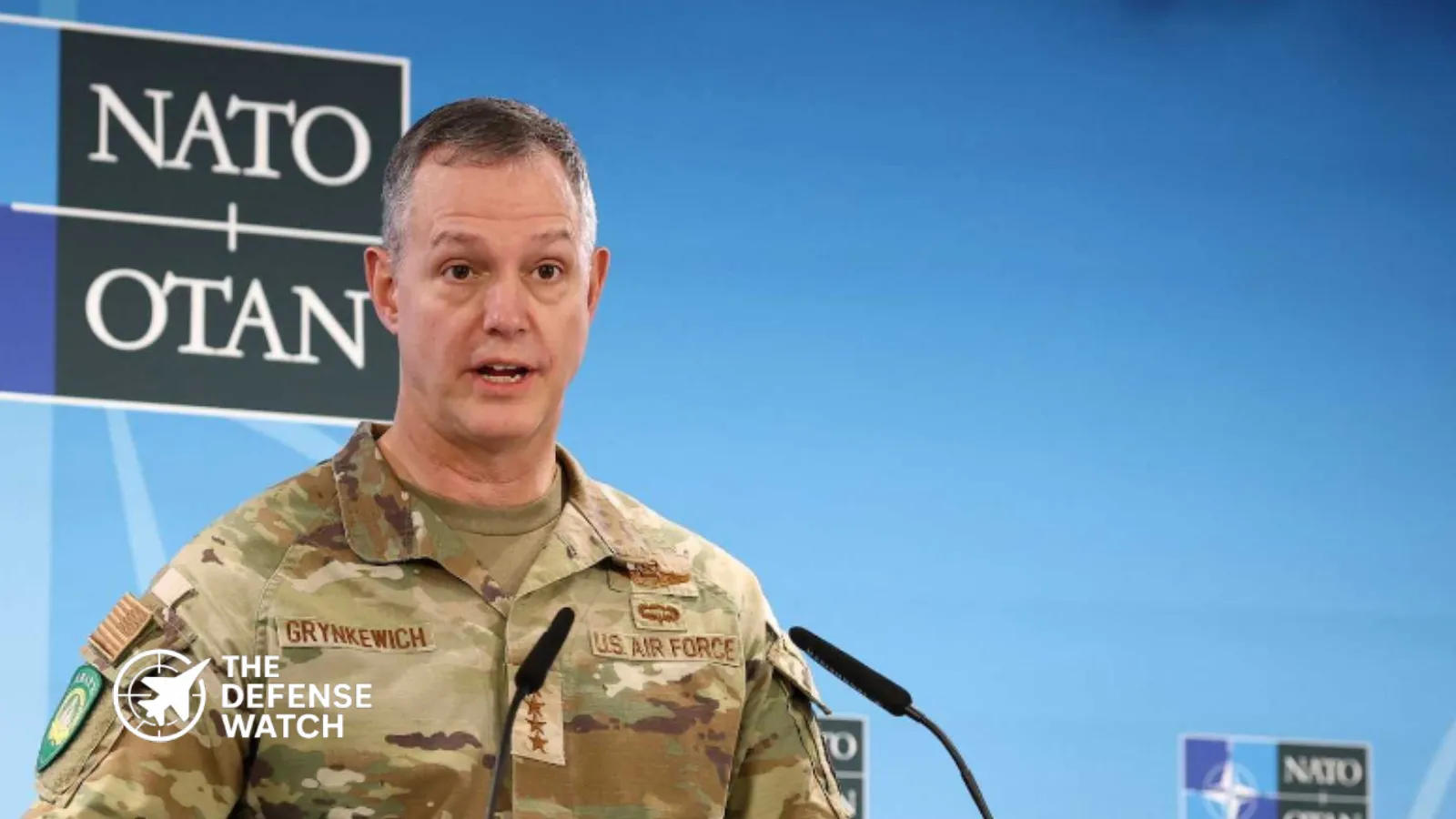
The US NATO command transfer marks a significant adjustment in alliance leadership, as Washington prepares to hand over two major NATO headquarters to European officers. According to Reuters, the United States will relinquish command roles at NATO posts in Naples, Italy, and Norfolk, Virginia, in a move aligned with the Trump administration’s push for a more European led NATO.
The decision reflects growing US pressure on European allies to assume greater responsibility for their own defense, while maintaining NATO’s core mission of collective security. A military source cited by Reuters confirmed the plan, emphasizing that the change affects leadership roles rather than NATO’s overall command structure or commitments.
Which NATO Commands Are Being Transferred
The two commands involved play central roles in NATO operations and strategy.
In Naples, Allied Joint Force Command Naples oversees NATO operations in southern Europe, the Mediterranean, and parts of the Middle East and Africa. The command has been critical in coordinating maritime security, crisis response, and deterrence activities along NATO’s southern flank.
In Norfolk, Allied Command Transformation is responsible for NATO’s future force development, doctrine, and training. It plays a key role in shaping how NATO adapts to emerging threats, including cyber warfare, space operations, and high end conventional conflict.
(adsbygoogle = window.adsbygoogle || []).push({});Both commands have traditionally been led by US officers. Under the new plan, European officers will assume command, marking a notable shift in long standing leadership patterns.
Strategic Rationale Behind A European Led NATO
US officials have repeatedly argued that European NATO members must carry a larger share of the defense burden, especially as Washington balances commitments in Europe with priorities in the Indo Pacific. The US NATO command transfer is a concrete step toward that goal.
By placing European officers in charge of major NATO headquarters, Washington signals confidence in allied military leadership while reinforcing expectations for higher defense spending and operational responsibility. NATO data shows that while European defense budgets have risen steadily since 2014, capability gaps remain in areas such as air defense, logistics, and high readiness forces.
The leadership shift also aligns with broader debates inside NATO about strategic autonomy and burden sharing, without altering the alliance’s collective defense obligations under Article 5.
Implications For NATO Operations And Readiness
Military officials stress that the command transfer will not disrupt NATO operations. The commands will continue to operate under NATO’s integrated military structure, with US forces remaining deeply involved across the alliance.
In Naples, a European commander may bring regional perspectives shaped by ongoing security challenges in the Mediterranean, North Africa, and the Black Sea region. In Norfolk, European leadership at Allied Command Transformation could influence how NATO prioritizes modernization efforts, including interoperability, multi domain operations, and emerging technologies.
Analysts note that the effectiveness of the transition will depend on continuity, staff expertise, and sustained political support from both sides of the Atlantic.
European And Alliance Reactions
European officials have long called for a stronger role within NATO decision making and command structures. While public reactions have been measured, the move is widely seen as a sign of increased trust in European military leadership.
NATO itself has not announced changes to its overall command structure, and alliance officials emphasize that the US remains NATO’s largest military contributor. The transfer of command posts is therefore viewed as an evolution rather than a withdrawal.
Reuters reports that the timing and specific appointments will be coordinated within NATO processes, ensuring a smooth transition.
What This Means For US And European Defense Policy
The US NATO command transfer underscores a broader policy trend toward shared leadership within the alliance. For Washington, it supports efforts to rebalance global military commitments. For Europe, it brings greater responsibility and visibility within NATO’s military hierarchy.
As security challenges intensify across Europe’s eastern and southern flanks, the success of a European led NATO command approach will be closely watched. The move reinforces the idea that NATO’s strength lies not only in US leadership, but in collective capability, shared responsibility, and credible deterrence.