

US Iran Blockade Option Takes Shape in Strategic Debate
The US Iran blockade option is emerging as a serious alternative to a direct military strike, according to regional security experts cited by The Jerusalem Post. Analysts argue that a maritime blockade or limited symbolic action could increase pressure on Tehran while reducing the risk of a large scale regional conflict.
Danny Citrinowicz, a former Israeli military intelligence officer and Iran expert, along with Dr. Eyal Hulata, former Israeli national security adviser, said Washington may prefer indirect pressure tools over overt force. Their assessment comes as tensions remain high across the Middle East and as the United States weighs how to respond to Iranian actions without triggering uncontrolled escalation.
According to the report, an American attack on Iran does not guarantee a direct Iranian response against Israel. This uncertainty, experts say, strengthens the case for a calibrated approach that preserves deterrence while keeping escalation channels narrow.
Israel Gives Washington the Lead on Iran Response
Israeli officials have signaled that the United States is taking the lead on any potential response involving Iran. While Israel remains a central stakeholder, it has allowed Washington to manage the pace and scope of strategic decisions related to Tehran.
Israel Defense Forces Home Front Command has continued preparations for a range of scenarios. These measures are described as precautionary and defensive, reflecting uncertainty over how Iran or its regional partners might respond to any US move.
(adsbygoogle = window.adsbygoogle || []).push({});Dr. Hulata noted that Israel must prepare for indirect consequences even if it is not the primary target. This includes readiness for missile fire, drone attacks, or actions by Iran aligned groups operating in the region.
Why a Blockade Appeals to US Planners
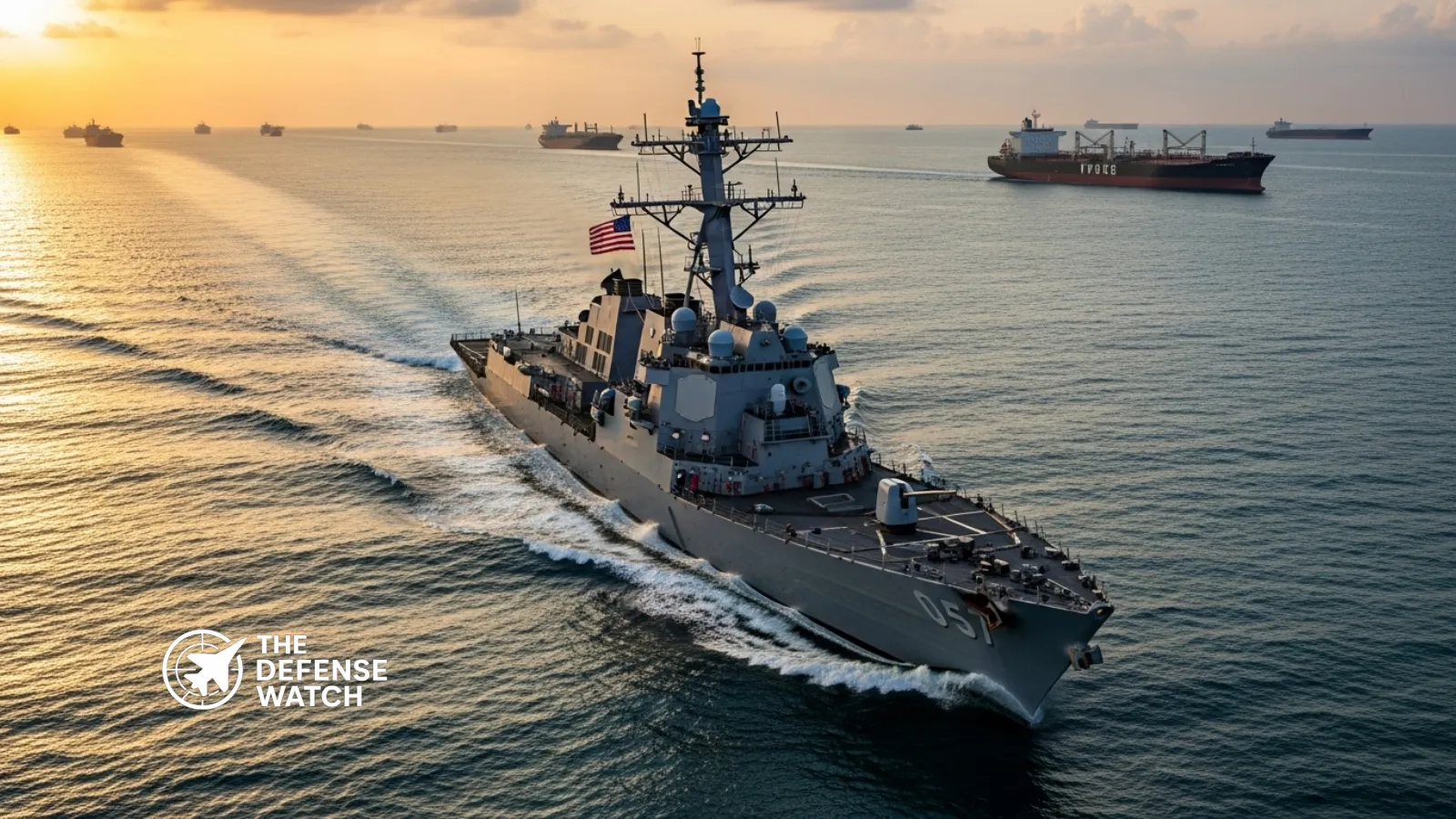
The US Iran blockade option is viewed by analysts as a tool that sits between diplomacy and war. A maritime blockade could target Iranian oil exports, shipping lanes, or access to key sea routes, applying economic and political pressure without immediate kinetic strikes.
Experts argue that such a move could be framed as reversible and conditional. This gives Washington leverage in future negotiations while signaling resolve to Tehran and to regional allies.
A symbolic or limited strike, aimed at specific military infrastructure, is also discussed as an option. However, experts caution that even limited strikes carry escalation risks, especially if Iranian command and control assets are affected.
In contrast, maritime pressure allows the United States to rely on naval power, allied coordination, and international legal frameworks. The US Navy already maintains a significant presence across the Persian Gulf, Arabian Sea, and broader Middle East waters.
Implications for Regional Deterrence
From a deterrence standpoint, the US Iran blockade option could reshape how Tehran calculates risk. Restricting exports or disrupting shipping would directly affect Iran economic stability, particularly its energy revenue.
Citrinowicz argues that Iran historically responds differently to economic pressure than to direct military force. While strikes can unify domestic opinion, sustained pressure on trade and revenue may push Iranian leadership toward negotiation channels.
At the same time, experts warn that Iran retains asymmetric response options. These include harassment of commercial shipping, cyber operations, or actions by proxy forces in Iraq, Syria, Lebanon, and Yemen.
For this reason, US planners are likely weighing how to enforce any blockade while protecting allied shipping and avoiding incidents that could spiral into open conflict.
Naval Power and Enforcement Challenges
Implementing a blockade would place heavy demands on naval assets. Enforcement would require persistent surveillance, boarding operations, and coordination with allies operating in the region.
The US Navy, along with partner navies, would need to manage legal complexities tied to freedom of navigation and international maritime law. Any blockade would likely be limited and targeted rather than comprehensive, focusing on specific cargoes or routes.
This approach aligns with recent US emphasis on integrated deterrence, combining military presence, allied cooperation, and economic tools. It also reflects lessons learned from past sanctions and maritime security operations.
Strategic Signaling Without Full Escalation
Experts emphasize that the core goal of the US Iran blockade option is signaling. It sends a message of resolve while leaving space for de escalation and diplomacy.
By avoiding a direct strike, Washington reduces the risk of immediate retaliation against US forces or Israeli territory. At the same time, it maintains pressure on Iran leadership to reassess its strategic posture.
(adsbygoogle = window.adsbygoogle || []).push({});According to the Jerusalem Post analysis, this balance between pressure and restraint is central to current US thinking. It reflects a broader shift toward managing conflict rather than seeking decisive military outcomes.
What Comes Next
No final decision has been announced by US officials. However, the discussion around a blockade highlights the range of tools under consideration as Washington navigates a complex security environment.
Israel preparation measures and US naval posture suggest that all sides are planning for multiple contingencies. Whether through maritime pressure, diplomatic engagement, or limited action, the coming weeks are likely to test the effectiveness of indirect deterrence strategies.
