US Army Tests EAGLS Counter Drone System in Kuwait
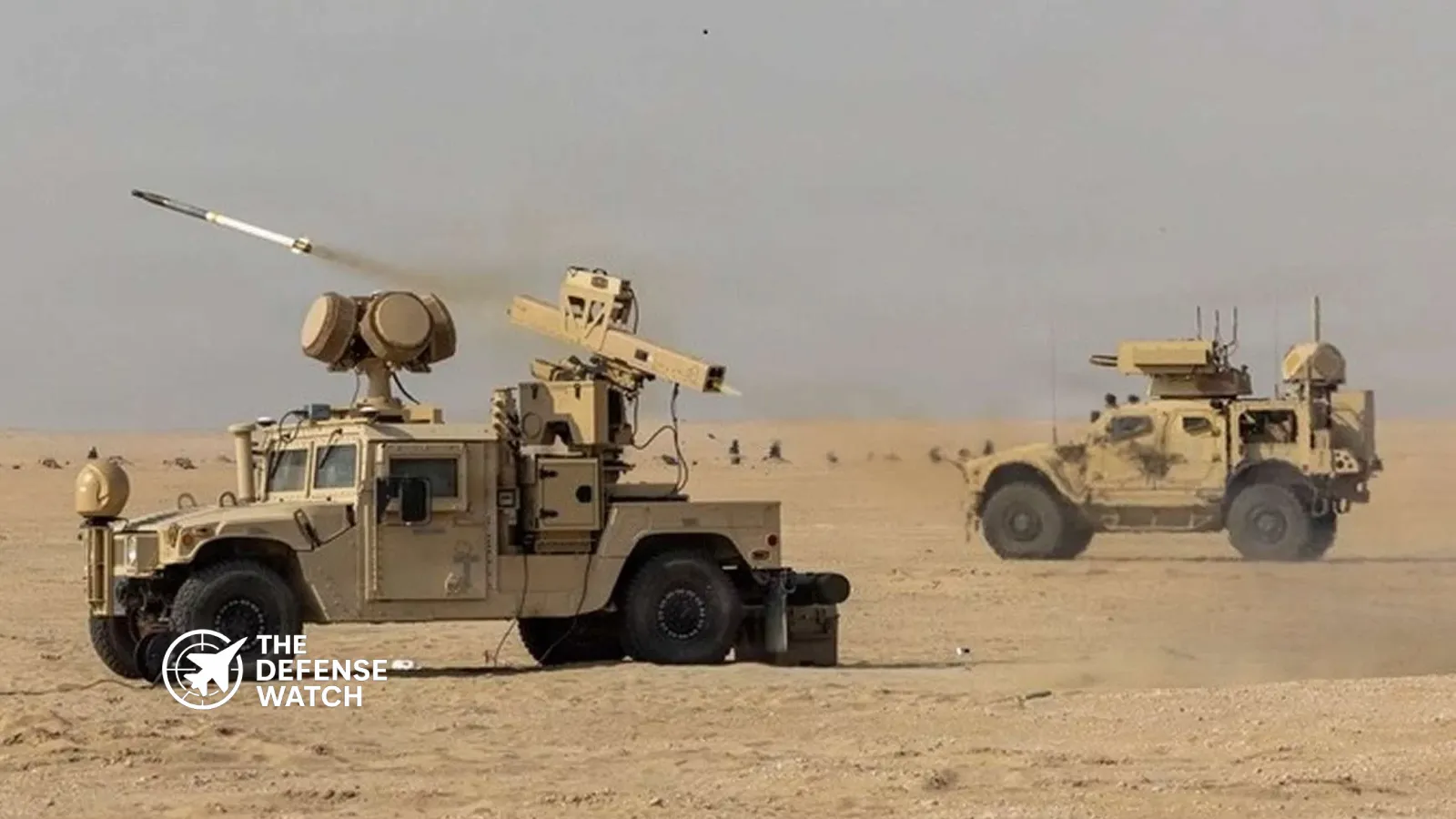
The US Army has conducted a live fire exercise of the EAGLS counter drone system in Kuwait, marking a key step in evaluating mobile defenses against small unmanned aerial threats. The test involved firing laser guided rockets to intercept aerial targets.
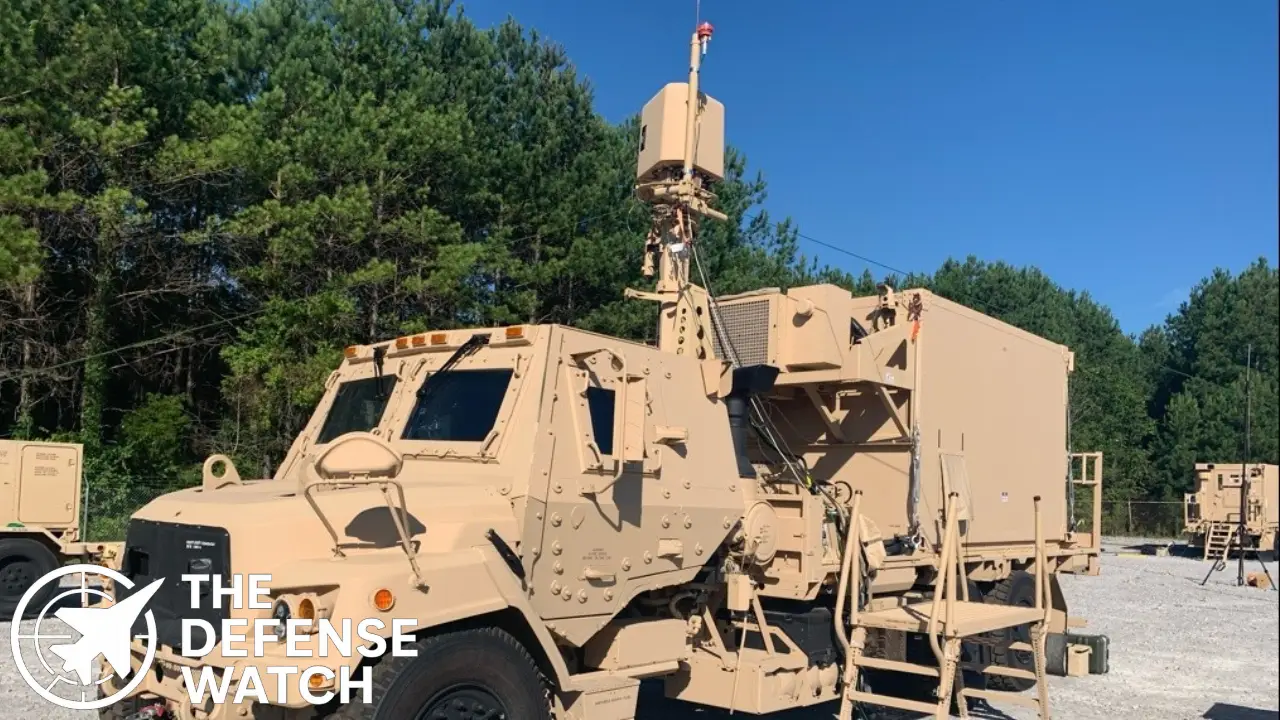
The event was carried out by deployed US forces under operational conditions, reflecting growing concern over low cost drones used for surveillance and attack in the Middle East. The EAGLS counter drone system is designed to provide short range air defense against Group 1 and Group 2 UAVs, cruise missiles, and rotary wing threats.
Laser Guided Rockets for Counter Drone Missions
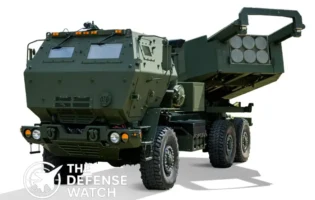
EAGLS uses 70 mm laser guided rockets mounted on a mobile launcher, paired with electro optical sensors and fire control software. This approach offers a lower cost interceptor compared to traditional surface to air missiles, while retaining precision against slow and maneuvering targets.
US Army officials cited by Army Recognition said the live fire validated system integration, sensor cueing, and engagement timelines. The test also assessed performance in desert conditions, including heat, dust, and extended deployment cycles.
Addressing Emerging Drone Threats
The EAGLS counter drone system is part of broader US Army efforts to strengthen short range air defense following lessons from Ukraine and the Middle East. Small UAVs have proven difficult to counter using legacy air defense systems, driving demand for layered and affordable solutions.
The Kuwait exercise supports ongoing modernization programs aimed at protecting forward deployed forces and critical infrastructure from evolving aerial threats.