
- ► The United States plans to send additional missile launchers to the Philippines under alliance cooperation frameworks.
- ► The deployment follows earlier use of the U.S. Army Typhon mid range capability during joint exercises.
- ► China has publicly criticized the move, calling it destabilizing for regional security.
- ► The Philippines has expanded U.S. access to military sites under the Enhanced Defense Cooperation Agreement.
- ► The move comes amid ongoing maritime confrontations in the South China Sea.
US To Send More Missile Launchers To The Philippines
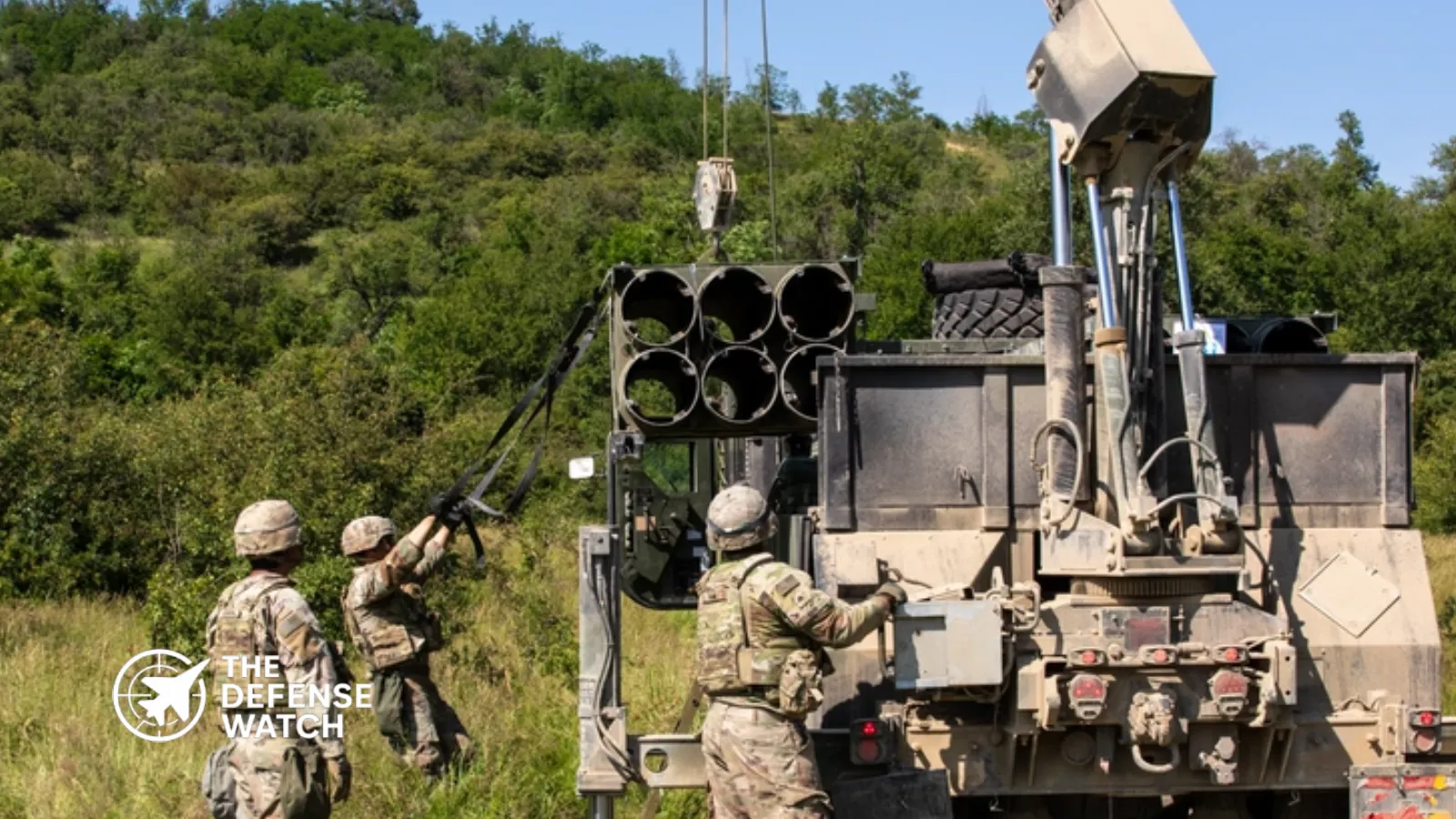
The United States will send more missile launchers to the Philippines, expanding its military presence in the Indo Pacific despite strong objections from China, according to report.
The move builds on earlier deployments under joint exercises and signals deeper U.S. Philippines defense cooperation as tensions persist in the South China Sea.
Washington has framed the decision as part of routine alliance coordination. Beijing, however, has warned that the deployment risks destabilizing the region.
Expanding U.S. Missile Presence In Southeast Asia
The decision to send more missile launchers to the Philippines follows the earlier deployment of the U.S. Army’s Typhon mid range capability system during 2024 exercises.
The Typhon system, also known as the Mid Range Capability, can launch Standard Missile 6 and Tomahawk land attack cruise missiles. Its presence marked the first time the United States positioned a ground based system of that range in the region since the end of the Intermediate Range Nuclear Forces Treaty.
According to Defense News, U.S. officials indicated that additional launchers will rotate into the Philippines as part of continuing cooperation with Manila.
The deployments are being conducted under the framework of the Enhanced Defense Cooperation Agreement, which allows expanded U.S. access to Philippine military bases.
Manila’s Strategic Shift
Under President Ferdinand Marcos Jr., the Philippines has moved to strengthen defense ties with Washington. Manila has granted U.S. forces access to additional sites, some located near Taiwan and contested waters in the South China Sea.
Philippine defense officials have described the missile deployments as defensive in nature, aimed at improving deterrence and joint readiness.
The United States and the Philippines are treaty allies under the 1951 Mutual Defense Treaty. In recent years, both governments have emphasized closer interoperability amid increased Chinese maritime activity.
Beijing’s Response
China has repeatedly criticized the presence of U.S. missile systems in the Philippines. Officials in Beijing argue that such deployments heighten regional tensions and risk turning the Southeast Asian nation into a frontline state in strategic competition.
The Chinese government has also warned Manila against deepening military alignment with Washington, especially in areas close to Taiwan.
Tensions between China and the Philippines have escalated over disputed features in the South China Sea, including repeated confrontations between coast guard vessels.
Strategic Context
The move to send more missile launchers to the Philippines aligns with broader U.S. Indo Pacific strategy. Washington has sought to distribute combat power across allied territory to complicate potential adversary planning.
Ground based long range missile systems are seen by U.S. planners as a key component of deterrence, particularly in scenarios involving maritime access denial.
Defense analysts note that rotational deployments allow the United States to maintain presence without establishing permanent bases, which can be politically sensitive in host nations.
Alliance Implications
The expansion of missile capabilities in the Philippines underscores the deepening U.S. Philippines defense partnership. It also reflects Manila’s recalibration of foreign policy in response to maritime friction.
While Washington maintains that the deployments are defensive and alliance focused, China continues to frame them as destabilizing.
The coming months are likely to see further joint exercises and operational coordination as both allies refine how missile systems integrate into regional contingency planning.
Get real time update about this post category directly on your device, subscribe now.
