
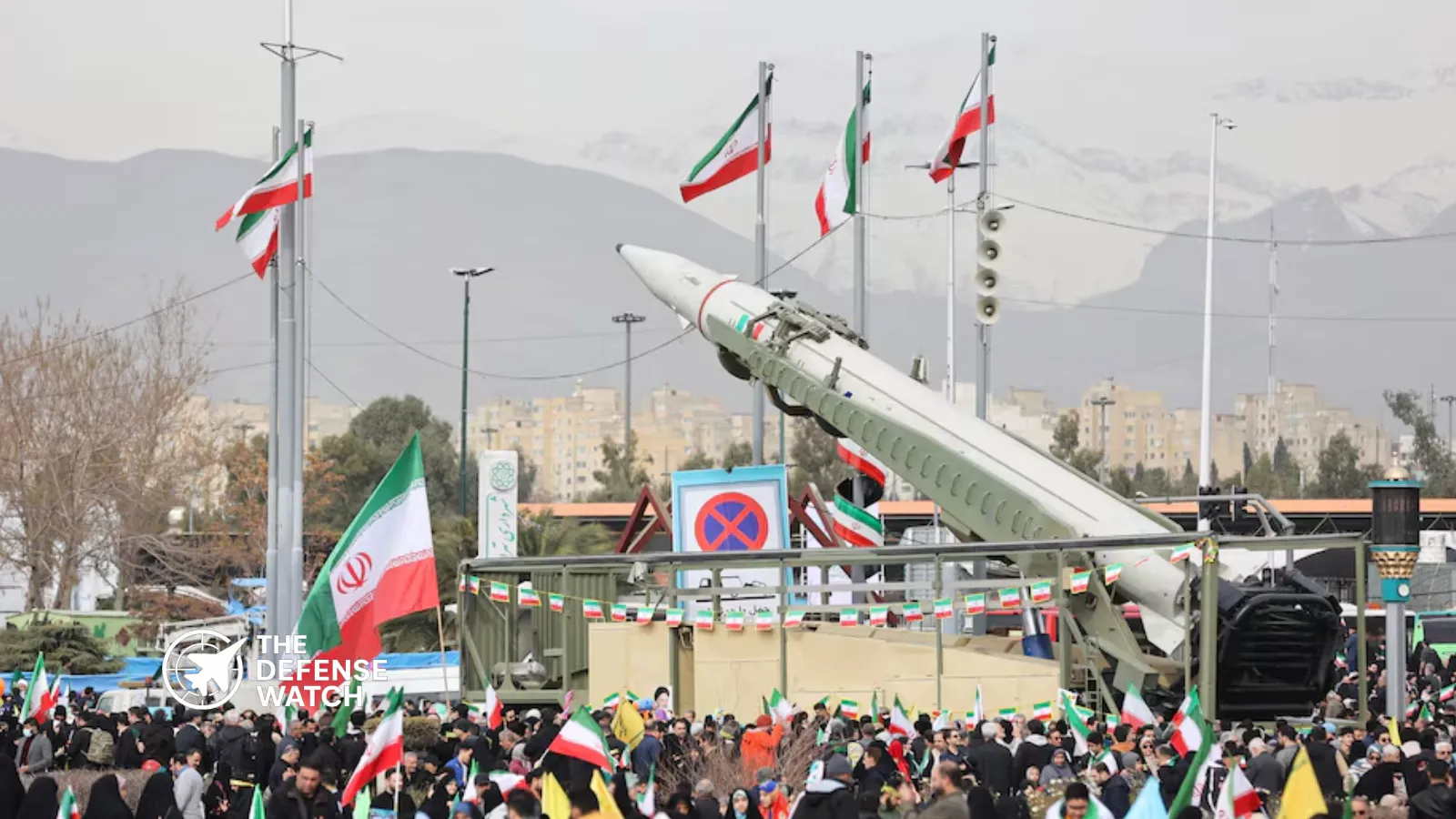
Iran Indicates Readiness For Nuclear Negotiations With US
Iran’s Foreign Minister Abbas Araghchi stated Sunday that Tehran is prepared to make compromises on its nuclear program if the United States engages in discussions about lifting sanctions, according to a Reuters report. The statement marks a potential shift in diplomatic positioning as both nations navigate complex Middle East security dynamics.
Speaking during an interview, Araghchi emphasized that any negotiations must include substantive talks on sanctions relief, signaling that Iran views economic pressure removal as prerequisite for nuclear concessions. The announcement comes amid heightened regional tensions and follows years of stalled diplomacy since the US withdrew from the Joint Comprehensive Plan of Action (JCPOA) in 2018.
Background On Iran’s Nuclear Program Development
Iran’s nuclear program has been a focal point of international security concerns for over two decades. Since the US exit from the JCPOA under the Trump administration, Tehran has systematically increased its uranium enrichment levels, moving beyond the 3.67% purity cap established in the original 2015 agreement.
According to International Atomic Energy Agency (IAEA) reports, Iran currently enriches uranium to 60% purity—significantly closer to the 90% threshold required for weapons-grade material. This escalation has prompted urgent calls from Western powers for renewed diplomatic engagement to prevent potential nuclear weapons development.
The original JCPOA, negotiated by the Obama administration alongside European powers, China, and Russia, provided Iran sanctions relief in exchange for strict limitations on its nuclear activities. The agreement included provisions for international monitoring, restrictions on centrifuge operations, and caps on uranium stockpiles.
Details Of Current Iranian Position On Negotiations
Araghchi’s statement represents Iran’s most explicit indication of negotiating flexibility in recent months. The foreign minister outlined that Tehran’s willingness to compromise depends entirely on Washington’s approach to sanctions discussions.
We are ready to engage in negotiations and make necessary compromises, but this requires the United States to seriously discuss the lifting of sanctions,” Araghchi stated, according to the Reuters report. The minister did not specify which aspects of Iran’s nuclear program might be subject to negotiation.
Iran has maintained that its nuclear program serves peaceful purposes, including energy generation and medical isotope production. However, Western intelligence agencies have expressed concerns about potential military dimensions, particularly given enrichment levels that exceed civilian requirements.
The timing of Araghchi’s comments coincides with ongoing regional developments, including Iran’s support for proxy forces across the Middle East and tensions with Israel. These broader geopolitical factors complicate any potential nuclear agreement framework.
US Policy Stance And Diplomatic Considerations
The current US administration faces complex calculations regarding Iran policy. While preventing Iranian nuclear weapons capability remains a stated national security priority, Washington must balance diplomatic engagement with concerns from regional allies, particularly Israel and Gulf Arab states.
US officials have previously indicated openness to diplomatic solutions but emphasized that any agreement must address Iran’s broader regional activities, including ballistic missile development and support for non-state actors. These expanded conditions represent a significant shift from the original JCPOA framework, which focused exclusively on nuclear issues.
Sanctions currently imposed on Iran target multiple sectors, including oil exports, banking, and shipping. The economic impact has been substantial, with Iran’s GDP contracting significantly since maximum pressure policies were implemented. However, Tehran has demonstrated resilience through gray market oil sales and regional trade partnerships.
Defense analysts note that any negotiations will require addressing verification mechanisms, given mutual distrust between Washington and Tehran. Previous agreements relied heavily on IAEA inspections, but Iran has reduced cooperation with international monitors since US withdrawal from the JCPOA.
Regional Security Implications And Strategic Context
Iran’s nuclear trajectory carries significant implications for Middle East security architecture. Regional powers, particularly Saudi Arabia, have indicated they would pursue their own nuclear capabilities if Iran develops weapons capacity, potentially triggering a regional arms race.
Israel has maintained that it will not permit Iran to acquire nuclear weapons, suggesting potential military options remain under consideration. Israeli officials have conducted extensive diplomatic efforts to discourage US re-engagement with Tehran without addressing what Jerusalem views as existential security concerns.
The US maintains substantial military presence across the Middle East, including naval assets in the Persian Gulf and air bases in Qatar, Bahrain, and other Gulf Cooperation Council nations. These deployments reflect ongoing concerns about Iranian capabilities and regional stability.
NATO allies, particularly European signatories to the original JCPOA, have advocated for renewed diplomatic engagement. France, Germany, and the United Kingdom have attempted to maintain the agreement’s framework despite US withdrawal, though with limited success given American sanctions pressure.
Technical Aspects Of Iran’s Nuclear Capabilities
Iran operates multiple nuclear facilities, including enrichment plants at Natanz and Fordow. The underground Fordow facility, built into a mountain near Qom, presents particular challenges for verification and potential military targeting due to its fortified construction.
Tehran’s centrifuge development has advanced significantly since JCPOA restrictions were abandoned. Iran now operates advanced IR-6 and IR-9 centrifuges, which enrich uranium more efficiently than the IR-1 models permitted under the original agreement. This technological progression complicates any negotiated rollback of capabilities.
The IAEA has reported that Iran’s stockpile of enriched uranium has grown substantially, with hundreds of kilograms enriched to 60% purity. While this remains below weapons-grade levels, nuclear experts note that the technical gap between 60% and 90% enrichment is significantly smaller than earlier stages of the enrichment process.
Iran’s heavy water reactor at Arak, redesigned under JCPOA provisions to limit plutonium production, represents another dimension of the nuclear program. Any comprehensive agreement would need to address both uranium enrichment and plutonium pathways to weapons capability.
Diplomatic Precedents And Negotiation Challenges
The original JCPOA required years of intensive negotiations, involving multiple rounds of talks in various locations. The agreement’s complexity reflected the technical nature of nuclear limitations and the political sensitivities of all parties involved.
Critics of the JCPOA argued that “sunset provisions”—time-limited restrictions that would expire after 10-15 years—merely delayed rather than prevented Iranian nuclear weapons capability. Proponents countered that the verification regime and diplomatic framework provided valuable tools for monitoring and engagement.
Any new agreement would likely face intense scrutiny from the US Congress, which retains authority over sanctions relief through legislative action. Previous efforts to codify JCPOA provisions in US law failed, contributing to the agreement’s vulnerability to executive branch policy changes.
International partners including China and Russia complicate the diplomatic equation. Both nations have expanded economic ties with Iran and may resist pressure tactics favored by Washington. Any sustainable agreement would require buy-in from these permanent UN Security Council members.
Current Status Of International Monitoring Efforts
The IAEA continues to monitor declared Iranian nuclear facilities despite reduced cooperation from Tehran. Iran has removed surveillance cameras and limited inspector access at various sites since 2021, creating gaps in the international community’s understanding of program developments.
IAEA Director General Rafael Grossi has made multiple visits to Tehran seeking expanded access and cooperation. These efforts have yielded limited results, with Iran maintaining that cooperation levels correspond to compliance with existing legal obligations rather than JCPOA provisions it no longer considers binding.
Undeclared sites and past military dimensions of Iran’s nuclear program remain contentious issues. The IAEA has identified particles of enriched uranium at locations Iran did not initially declare, raising questions about historical activities and current program scope.
Verification of any future agreement would require substantially enhanced monitoring compared to current levels. Technical experts emphasize that confidence in Iranian compliance depends on comprehensive access, including to military sites if credible information suggests nuclear-related activities.
Political Dynamics Within Iran’s Leadership
Iran’s political landscape features competing power centers, including elected officials, the Supreme Leader’s office, and the Islamic Revolutionary Guard Corps (IRGC). The IRGC controls significant economic assets and maintains hardline positions on many foreign policy issues.
Recent Iranian elections have seen fluctuating levels of reformist versus conservative influence, though ultimate authority on nuclear policy rests with Supreme Leader Ali Khamenei. His approval would be essential for any substantial compromise on nuclear capabilities.
Domestic political pressures in Iran include economic hardship caused by sanctions, which has generated public frustration. However, nationalist sentiment also creates resistance to perceived capitulation to foreign pressure, complicating any negotiated settlement that appears one-sided.
The generational transition in Iranian leadership over coming years may influence negotiating dynamics. Younger leadership cohorts face different strategic calculations regarding economic integration versus resistance to Western influence.
Economic Dimensions Of Sanctions And Potential Relief
US sanctions have targeted Iran’s most lucrative sectors, particularly petroleum exports that historically provided substantial government revenue. Enforcement efforts have involved sanctioning third-party entities that facilitate Iranian oil sales, creating global compliance pressures.
Iran’s economy has adapted through various mechanisms, including cryptocurrency usage, barter arrangements, and informal banking networks. Regional trade with neighboring states continues despite sanctions, though at reduced levels and under constrained financial terms.
Sanctions relief would potentially unlock billions in frozen Iranian assets held in foreign banks. The scope and timeline of any relief would be critical negotiating points, with Iran seeking immediate benefits and the US likely preferring phased implementation tied to verified nuclear steps.
European companies exited the Iranian market following US sanctions reimposition, despite EU efforts to maintain trade channels. Any durable economic normalization would require US policy certainty that extends beyond individual administrations.
Defense Industry Implications And Regional Arms Dynamics
Iran’s defense industrial base has developed indigenous capabilities partly in response to international isolation. Domestic production of missiles, drones, and other systems has progressed significantly, with Iranian unmanned systems now deployed in various regional conflicts.
The relationship between Iran’s nuclear program and conventional military modernization remains complex. Some analysts argue that nuclear capability would provide strategic deterrence allowing Iran to reduce conventional force requirements, while others suggest both programs advance in parallel.
Regional arms purchases by Gulf states have accelerated partly in response to Iranian capabilities. US defense contractors have benefited from substantial sales of advanced aircraft, missile defense systems, and naval platforms to Saudi Arabia, UAE, and other partners.
Israel’s qualitative military edge, enshrined in US policy, factors prominently in regional security calculations. Any shift in Iran’s nuclear status would trigger reassessments of Israeli force posture and capabilities requirements.
Prospects For Near-Term Diplomatic Progress
Diplomatic observers note significant obstacles to rapid agreement between Washington and Tehran. Beyond nuclear technical issues, broader regional dynamics including Yemen, Syria, and Lebanon complicate any comprehensive framework.
Confidence-building measures could potentially create conditions for substantive negotiations. These might include prisoner exchanges, limited sanctions relief for humanitarian goods, or technical discussions on specific nuclear facilities.
The role of third-party mediators may prove crucial given direct US-Iran negotiations’ political sensitivity. Oman has historically facilitated discreet communications, while European allies maintain channels with both sides.
Timing considerations include domestic political calendars in both nations. US administrations face constraints from congressional oversight, while Iranian leadership must navigate internal factional politics and public opinion.
Strategic Assessment For Defense Planning
US defense planning continues to account for potential Iranian nuclear breakout scenarios. Military options remain under development, though officials emphasize diplomatic solutions as preferred approaches.
The proliferation implications of Iranian nuclear weapons capability extend beyond the Middle East. Weakening of the global non-proliferation regime would affect security calculations in other regions including Northeast Asia.
Intelligence collection regarding Iran’s nuclear program remains a priority for US and allied services. Technical intelligence on enrichment activities, weapons design work, and delivery system development informs policy decisions.
Allied coordination on Iran policy involves extensive consultations among US, European, and regional partners. Diverging threat perceptions and economic interests complicate consensus-building on appropriate responses.
Get real time update about this post category directly on your device, subscribe now.
