- ► Germany is weighing an additional order of F-35 Lightning II fighter jets, according to Bloomberg.
- ► Berlin previously ordered 35 F-35A aircraft to replace Tornado jets in the NATO nuclear sharing role.
- ► The F-35 is built by Lockheed Martin and is certified for the B61 nuclear mission within NATO.
- ► Germany is a partner in the FCAS program with France and Spain, aimed at delivering a sixth generation fighter.
- ► An expanded F-35 fleet would deepen Germany’s operational integration with NATO allies already flying the platform.
Germany Weighs Additional F-35 Lightning II Order
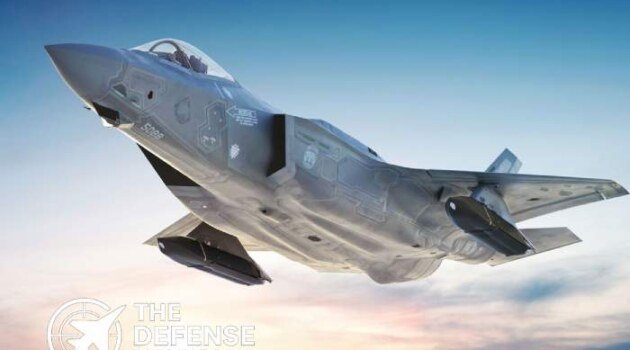
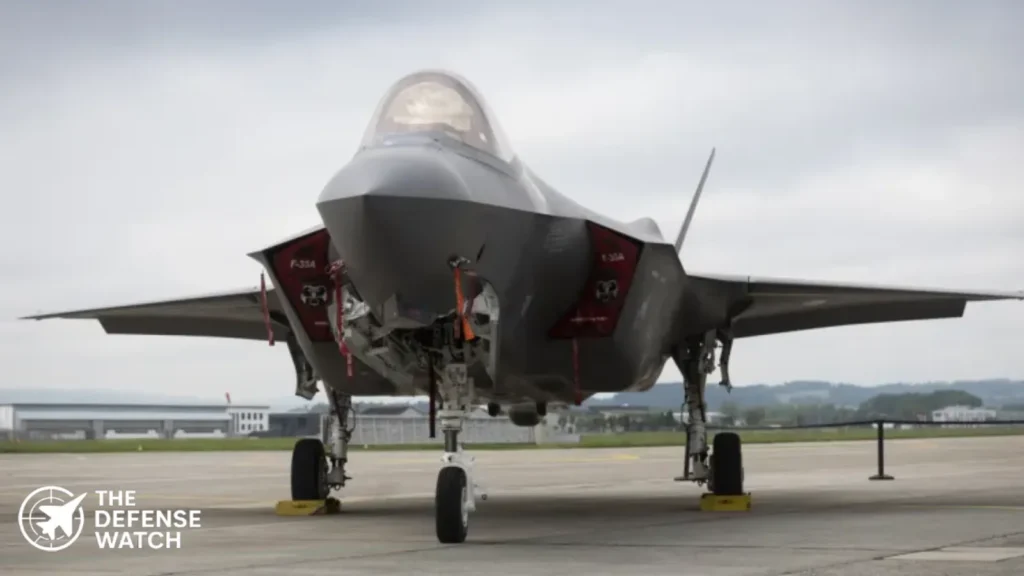
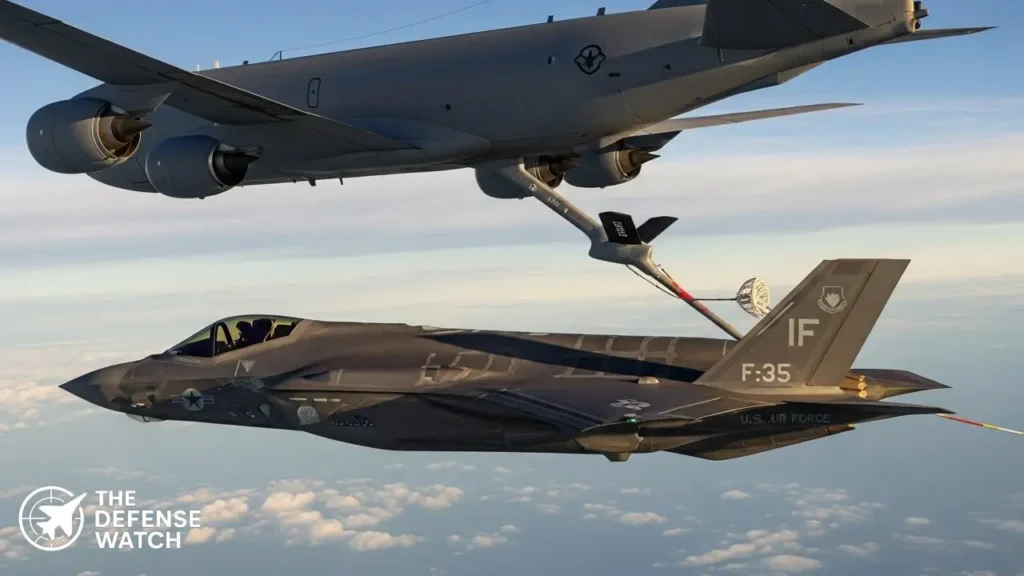
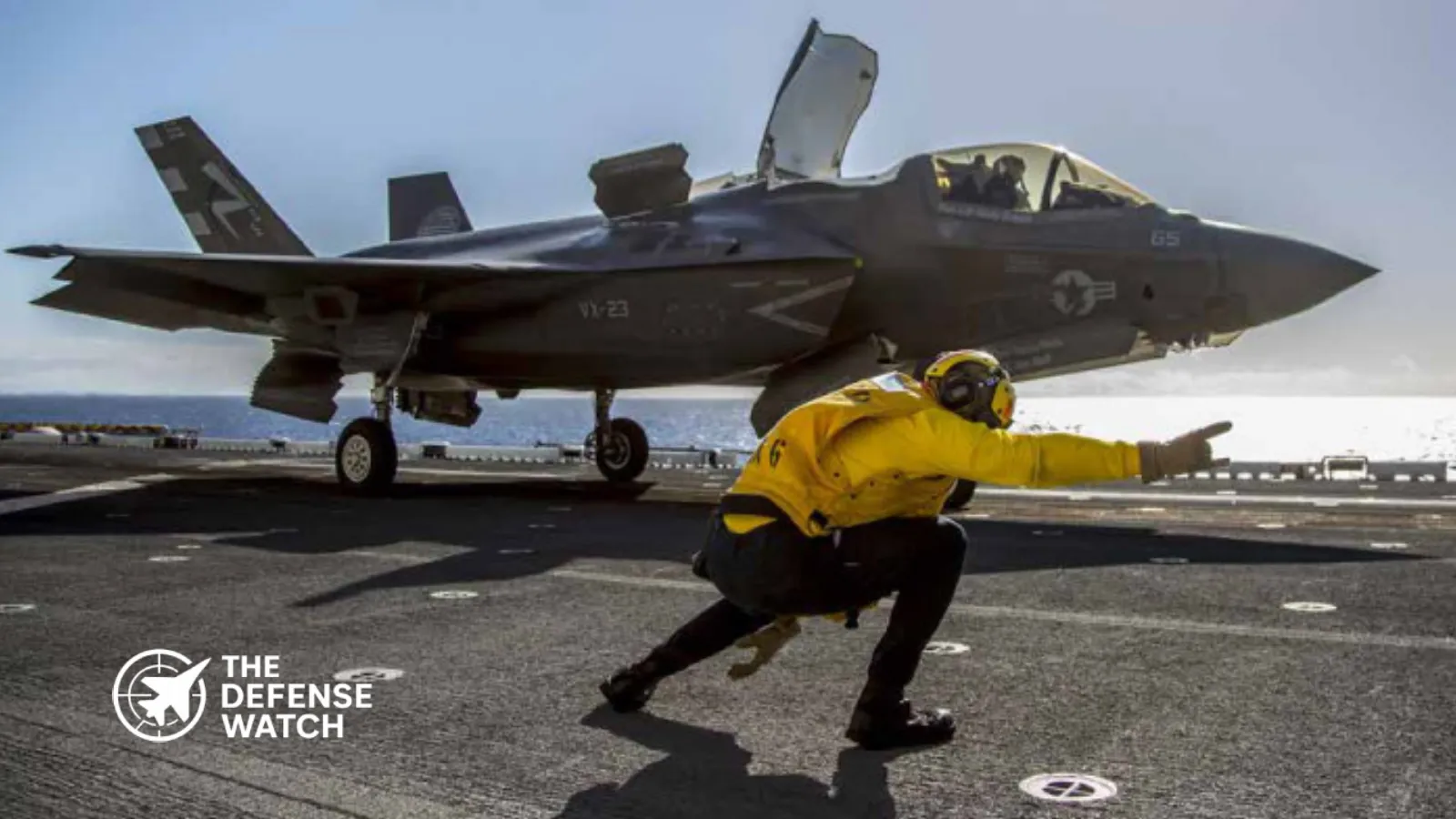
Germany is weighing an additional order of the F-35 Lightning II, according to a report by Bloomberg, a move that would further anchor Berlin’s airpower modernization to the United States.
The potential expansion of Germany’s F-35 Lightning II fleet comes as the country’s joint next generation fighter project with France faces growing technical and industrial tensions. While no formal decision has been announced, the deliberations signal that Berlin may seek greater near term certainty in its combat aviation roadmap.
Germany previously committed to acquiring 35 F-35A aircraft in 2022 to replace its aging Tornado fleet in the nuclear sharing role within NATO. The aircraft, built by Lockheed Martin, will be operated by the German Air Force, or Luftwaffe, with deliveries expected later this decade.
An additional order would significantly expand Germany’s reliance on the U.S. built fifth generation platform.
Strategic Context Behind The Move
Germany’s initial F-35 procurement marked a major policy shift following Russia’s invasion of Ukraine in 2022. Under Chancellor Olaf Scholz’s Zeitenwende policy, Berlin launched a 100 billion euro special defense fund aimed at rapidly modernizing its armed forces.
The F-35 Lightning II was selected over alternative options due to its certified role in NATO’s nuclear sharing mission and its advanced stealth and sensor fusion capabilities. The platform remains the only fifth generation aircraft currently certified to carry the U.S. B61 nuclear gravity bomb within the alliance framework.

At the same time, Germany remains a core partner in the Future Combat Air System, or FCAS, alongside France and Spain. The program is led industrially by Dassault Aviation and Airbus Defence and Space. FCAS is intended to deliver a sixth generation fighter and a family of connected systems in the 2040 timeframe.
However, the FCAS program has faced recurring disagreements over workshare, intellectual property rights, and system architecture. German consideration of more F-35 Lightning II aircraft may reflect concern over potential schedule delays or capability gaps before FCAS becomes operational.
Industrial And Political Implications
An expanded F-35 Lightning II order would have broad implications for European defense industrial strategy.
France has consistently argued that European nations should prioritize indigenous platforms to preserve strategic autonomy. A larger German F-35 fleet could deepen friction within the FCAS partnership, especially if Berlin is perceived as shifting long term investment away from the European project.
From a military standpoint, however, additional F-35 aircraft would provide the Luftwaffe with enhanced interoperability across NATO. Several European allies, including the United Kingdom, Italy, the Netherlands, Norway, Denmark, Poland, and Finland, already operate or have ordered the F-35.
Interoperability benefits include shared logistics networks, common software baselines, and integrated data link capabilities. For NATO planners, a larger European F-35 footprint strengthens collective airpower integration.
Operational Considerations
The F-35 Lightning II combines low observable design, advanced electronic warfare systems, and sensor fusion that provides pilots with a comprehensive battlespace picture. Germany’s Tornado fleet, first introduced in the 1980s, lacks these survivability and networking features.
Expanding the F-35 fleet could allow Germany to consolidate roles beyond nuclear sharing, potentially including suppression of enemy air defenses, deep strike, and intelligence, surveillance, and reconnaissance missions.
That said, reliance on a U.S. platform raises questions about supply chain sovereignty, software updates, and long term sustainment costs. The F-35 program operates under a global support framework managed in coordination with the U.S. government and Lockheed Martin.
Berlin would need to balance operational effectiveness with industrial and political considerations inside the European Union.
Broader Geopolitical Signal
Germany’s potential move carries weight beyond procurement numbers.
A larger F-35 Lightning II order would underscore Berlin’s strategic alignment with Washington at a time of heightened transatlantic security cooperation. It would also signal confidence in U.S. security guarantees and in NATO’s collective defense framework.
Conversely, it may intensify debate within Europe over defense industrial autonomy versus transatlantic integration. The outcome of Germany’s internal deliberations will likely influence future investment decisions across the continent.
As of now, German officials have not publicly confirmed a final decision. If approved, the order would further cement the F-35 Lightning II as the backbone of European fifth generation airpower well into the 2030s and beyond.
Get real time update about this post category directly on your device, subscribe now.