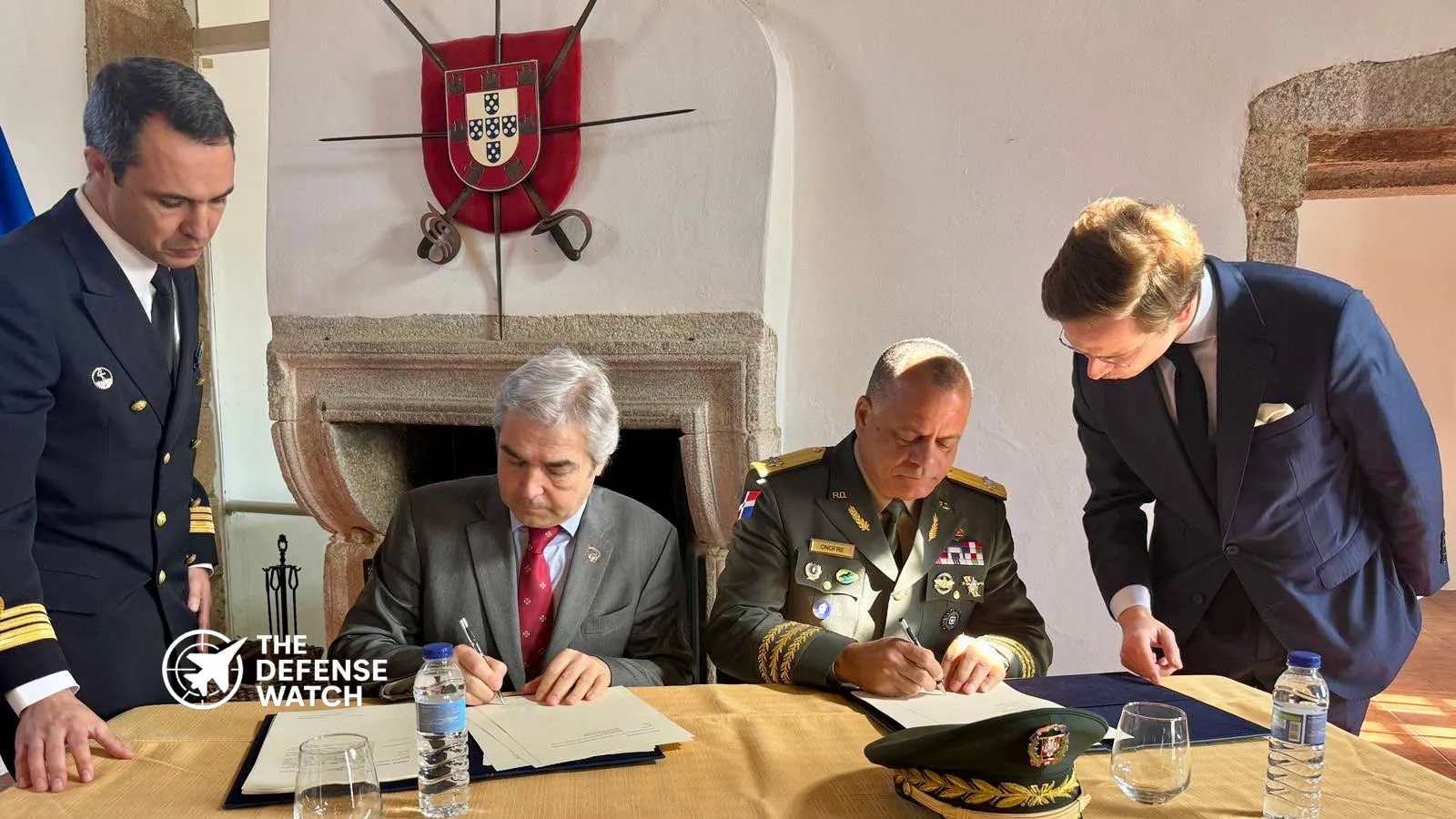
- Dominican Republic signed a contract to acquire four surplus Portuguese Tejo class patrol ships.
- The agreement is valued at up to €24.37 million and includes modernization, training, and logistics support.
- The ships will strengthen surveillance and law enforcement across the Dominican Republic’s Exclusive Economic Zone.
- Delivery will occur in phases over roughly 40 months, with the first vessel expected within a year after logistics preparation.
- The transfer reflects growing international cooperation in maritime security and fleet modernization.
Dominican Republic Patrol Ships Deal With Portugal
The Dominican Republic patrol ships acquisition marks a significant step in strengthening maritime security in the Caribbean, following a contract signed with Portugal for four surplus coastal patrol vessels.
The agreement, announced by the Portuguese Ministry of National Defence, covers the transfer of four Standard Flex 300 Series 2 patrol ships, known in Portuguese service as the Tejo-class vessels. The contract has a maximum value of approximately €24.37 million, depending on the installation of additional equipment and systems.
The ships were previously operated by the Portuguese Navy and are reaching the end of their operational life in Portugal. However, they remain suitable for coastal security and patrol missions in the Dominican Republic’s maritime environment.
Officials from both countries finalized the agreement after Dominican defense representatives inspected the vessels at the Lisbon Naval Base in February.
The Big Picture
Caribbean nations face growing pressure to secure large maritime zones against illegal fishing, narcotics trafficking, and maritime crime. The Dominican Republic sits at a strategic crossroads between Central America, South America, and major Atlantic shipping routes.
For smaller navies, maintaining constant surveillance across wide exclusive economic zones is a persistent challenge. Purchasing surplus patrol vessels from partner nations provides a cost effective way to expand maritime coverage without the financial burden of building new warships.
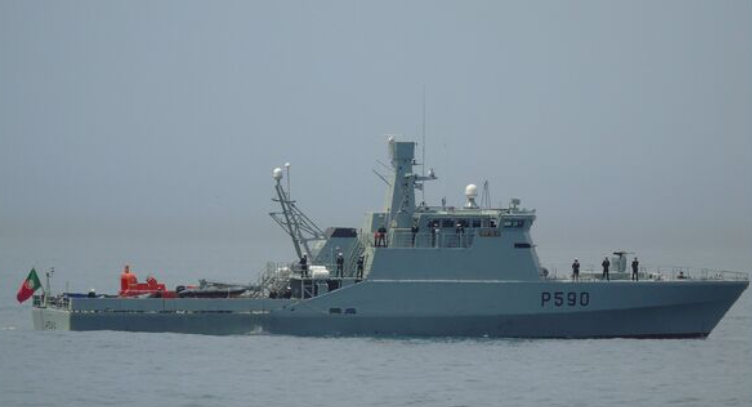
In Portugal, the Tejo-class fleet principally carried out patrol, surveillance, and Search and Rescue missions. (Victor Barreira)
The Dominican Republic patrol ships acquisition reflects a broader trend among medium and small maritime forces that rely on second hand platforms from NATO countries to modernize fleets quickly.
Portugal’s sale also fits into its own naval modernization program, which includes replacing older patrol ships with newer vessels and multipurpose platforms.
What Is Happening
The Dominican Republic will receive four patrol vessels formerly operated by the Portuguese Navy: Tejo, Douro, Mondego, and Guadiana.
Key details of the deal include:
• Total contract value of roughly €24 million
• Options for additional systems and equipment up to €24.37 million
• Integrated support package including maintenance, training, and spare parts
• Phased delivery over a period of about 40 months
The ships measure roughly 50 meters in length and displace about 345 tons, making them suitable for coastal patrol, surveillance operations, search and rescue missions, and maritime security enforcement.
According to Dominican defense officials, the vessels will support patrol and monitoring operations designed to counter illicit maritime activities across national waters and the country’s Exclusive Economic Zone.
Why It Matters
Strengthening maritime security has become a priority for Caribbean states facing rising transnational crime.
Drug trafficking routes frequently pass through Caribbean waters, and law enforcement agencies must patrol vast maritime areas with limited resources. Additional patrol ships significantly expand operational coverage and allow naval forces to maintain a more persistent presence at sea.
For the Dominican Navy, acquiring these vessels provides an immediate improvement in maritime domain awareness and response capability.
The deal also demonstrates how defense cooperation between European and Latin American partners can support regional security objectives while extending the useful service life of existing naval platforms.
Strategic Implications
Improved patrol capabilities will likely enhance the Dominican Republic’s ability to enforce maritime laws and support regional security partnerships.
Caribbean maritime security operations often involve cooperation with the United States, regional coast guards, and multinational anti narcotics missions. Expanded naval capacity allows the Dominican Republic to participate more effectively in these coordinated operations.
The acquisition may also contribute to stronger monitoring of fishing zones, an increasingly sensitive issue as illegal and unregulated fishing expands in parts of the Caribbean.
In addition, the deal reflects how smaller navies are prioritizing maritime surveillance and constabulary missions rather than high end naval combat platforms.
Competitor View
Major geopolitical competitors such as China and Russia maintain limited direct naval presence in the Caribbean compared with the United States and regional partners.
However, both countries have expanded diplomatic and security ties across Latin America. Strengthening maritime security capabilities among Caribbean states may therefore be viewed as part of broader Western security cooperation in the region.
While the patrol ships themselves are not combat vessels designed for high intensity conflict, they improve regional maritime governance and law enforcement capacity.
What To Watch Next
The transfer of the patrol ships will unfold over the next several years.
Key milestones include:
• Completion of modernization and logistics preparation
• Delivery of the first vessel within roughly 12 months
• Sequential delivery of the remaining ships at 20, 30, and 40 month intervals
• Crew training and operational integration within the Dominican Navy
Observers will also watch whether the Dominican Republic adds additional equipment or upgrades to the ships during the transfer process.
Capability Gap
The Dominican Navy faces the common challenge of securing large maritime zones with limited numbers of ships.
Patrol vessels such as the Tejo class address this gap by providing endurance, surveillance capability, and rapid response capacity for coastal security missions.
However, these vessels are not designed for high end naval warfare. Their primary role is maritime policing, search and rescue, and surveillance operations rather than fleet combat.
The Bottom Line
The Dominican Republic patrol ships acquisition provides a cost effective boost to maritime security while strengthening defense cooperation with Portugal.
Get real time update about this post category directly on your device, subscribe now.