
Switzerland Piranha 8×8 Black Hornet 4 Integration
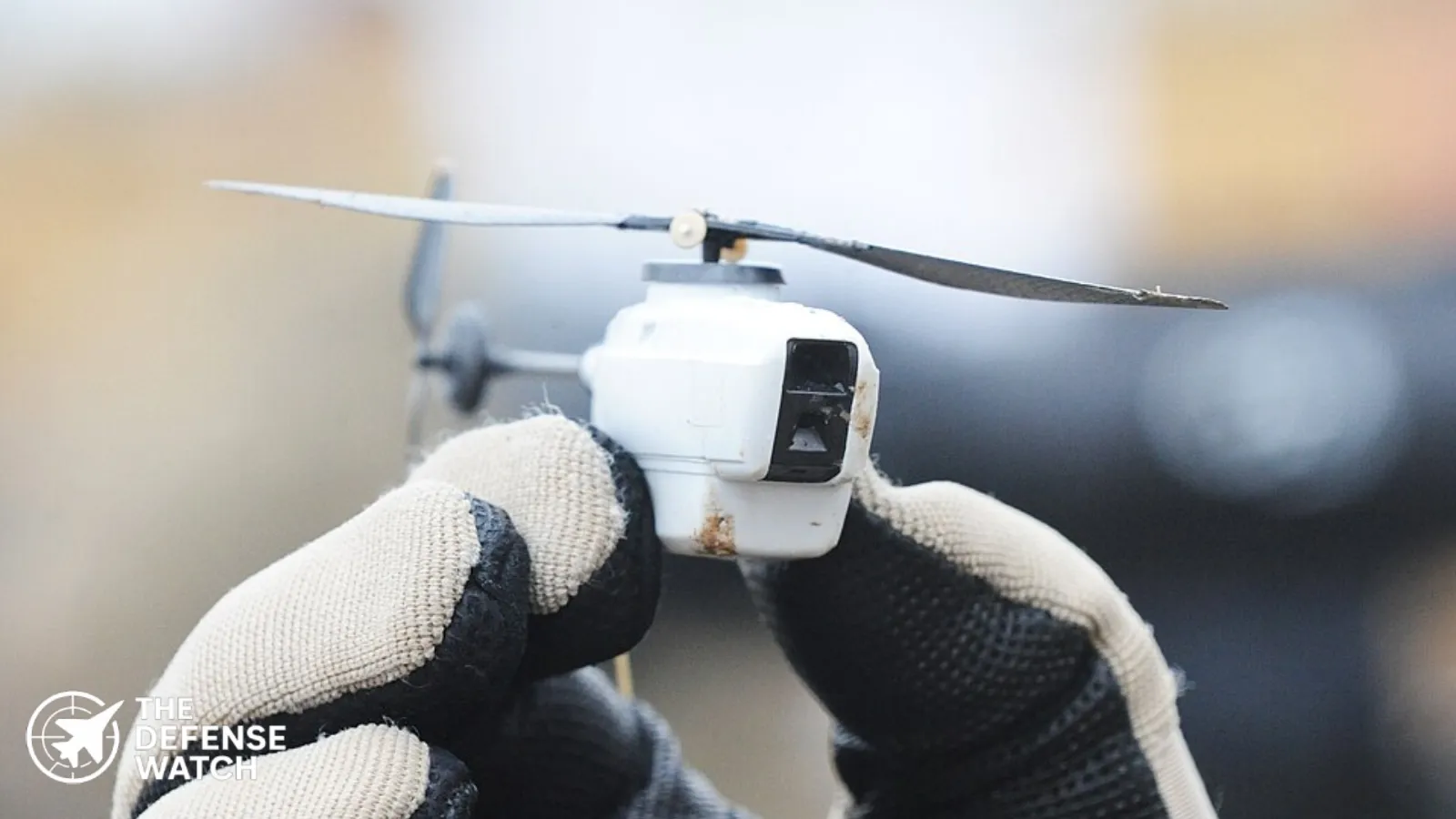
Switzerland is equipping its Piranha 8×8 armored vehicles with Black Hornet 4 nano drones as part of a new reconnaissance and surveillance upgrade for its land forces. The effort is backed by a 17.5 million dollar contract awarded to Teledyne FLIR Defense, according to company and Swiss defense procurement disclosures. The integration provides vehicle crews with organic, real time intelligence, surveillance, and reconnaissance capability while operating in complex terrain.
The move reflects a broader shift among European militaries toward small unit and platform level unmanned aerial systems that improve situational awareness without increasing logistical burden.
Contract and Program Overview
The agreement covers the delivery and integration of Black Hornet 4 nano unmanned aerial systems across Swiss Army Piranha 8×8 platforms. Teledyne FLIR Defense confirmed the contract value at approximately 17.5 million dollars and stated that the systems will be integrated directly into onboard vehicle mission systems.
Swiss defense authorities have emphasized that the drones will be operated by vehicle crews rather than dedicated drone teams, allowing rapid launch and recovery during reconnaissance, patrol, and security missions.
The Piranha 8×8, produced by General Dynamics European Land Systems, is a core wheeled armored platform in Swiss service. It is used for command, transport, and reconnaissance roles, making it a suitable host for organic drone capability.
Black Hornet 4 Capabilities
The Black Hornet 4 is the latest generation of Teledyne FLIR Defense’s palm sized reconnaissance drone family. It weighs only a few dozen grams and is designed for short range intelligence collection at the tactical edge.
Key capabilities include day and night sensors, encrypted data links, and low acoustic and visual signatures. The system can operate at ranges exceeding 3 kilometers, depending on terrain and conditions, while providing real time video and imagery to operators.
Unlike larger tactical drones, the Black Hornet 4 is optimized for rapid deployment and concealment. It can be launched within seconds and is designed to operate in urban areas, forests, mountainous terrain, and confined environments.
Operational Impact for the Swiss Army
By integrating nano drones directly onto armored vehicles, the Swiss Army reduces reliance on external ISR assets and improves decision making at the crew and platoon level.
For Piranha 8×8 crews, the Black Hornet 4 enables reconnaissance beyond line of sight, route clearance checks, and overwatch during dismounted operations. This is particularly relevant for Switzerland’s operating environment, which includes dense urban areas, narrow valleys, and mountainous terrain.
Swiss defense planners have highlighted the importance of situational awareness and force protection in modern operations, especially as small units face increasingly complex threat environments.
Broader Modernization Context
Switzerland’s adoption of the Black Hornet 4 aligns with a wider trend across NATO and partner nations. The nano drone is already in service with multiple allied militaries, including the United States, United Kingdom, and several European armed forces.
Vehicle integrated unmanned systems are increasingly viewed as a cost effective way to enhance battlefield awareness without deploying larger and more vulnerable aerial platforms.
For Teledyne FLIR Defense, the Swiss contract reinforces the Black Hornet 4’s position as a mature and combat proven system suitable for integration across a range of platforms.
Get real time update about this post category directly on your device, subscribe now.
