
U.S. Says Venezuela Raid Restores Military Deterrence After Maduro Capture
U.S. War Secretary Pete Hegseth said the Venezuela raid deterrent effect was clear at the first Cabinet meeting of 2026, after a U.S. military operation in Venezuela captured President Nicolás Maduro and his wife and brought them to the United States.
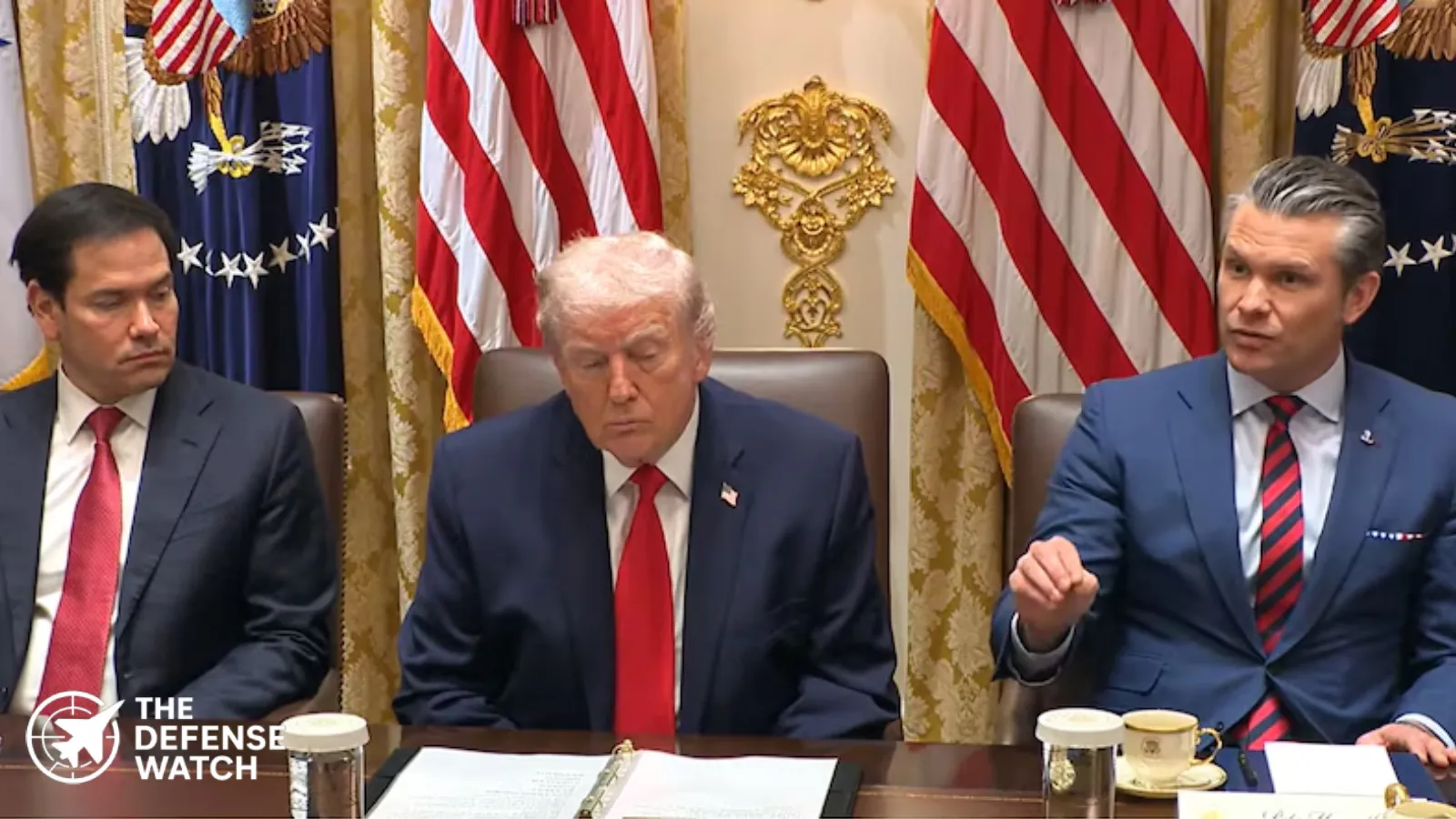
During the Jan. 29 White House session, Hegseth described the mission, named Operation Absolute Resolve, as both a demonstration of U.S. forces’ capabilities and a signal to global actors that U.S. military deterrence still matters.
Hegseth’s remarks focused on the deterrent value of the operation, arguing that executing such a complex raid underscores U.S. reach and readiness.
Maduro Capture Highlighted as Deterrence Signal
The U.S. military action on Jan. 3 led to the capture of Venezuelan President Nicolás Maduro and his wife Cilia Flores de Maduro, who face federal charges in the United States related to narco-terrorism and drug trafficking.
At the Cabinet meeting, Hegseth said Operation Absolute Resolve was “spectacularly executed” and showcased U.S. joint force skill. He said such operations reinforce the credibility of U.S. military deterrence worldwide.
Hegseth on U.S. Deterrence and Broader Defense Posture
Hegseth linked the Venezuela raid deterrent effect to a broader U.S. defense posture that includes actions like Operation Midnight Hammer, a 2025 mission targeting Iran’s nuclear capacity. He said these operations back up presidential commitments with tangible action.
He framed deterrence as central not only to great-power competition but also to hemispheric security. Hegseth pointed to U.S. efforts to secure the border and counter drug trafficking in the Western Hemisphere as part of that broader approach.
Context From Government and Lawmakers
The Trump administration has characterized the Venezuela operation as demonstrating U.S. resolve, though details have drawn scrutiny. Administration officials including Secretary of State Marco Rubio have emphasized that further military action in the region is not planned and that future efforts will involve consultation with Congress where required.
Rubio also described the Maduro operation as a limited law enforcement measure connected to existing indictments, not a broader war effort.
Strategic Implications
Military analysts and lawmakers note that depicting the Venezuela raid deterrent effect serves both strategic and political objectives. Supporters argue that demonstrating capability and will sends a clear message to potential adversaries. Critics stress that legal and diplomatic implications of such operations could complicate U.S. relations and legislative oversight. (Context based on public remarks and reporting from the U.S. government and Congress)
The administration continues to manage diplomatic fallout, with some foreign capitals pressing for proof of life and clarity on long-term U.S. intentions following Maduro’s capture.
Get real time update about this post category directly on your device, subscribe now.
